2026 Top Incontinence Products for Elderly How to Choose?

Time:2026-11-05 Author:Isabella
0%

Choosing incontinence products for an older adult is not just a shopping decision. It affects comfort, skin health, sleep, and confidence during everyday activities. The right option may be a pull-up brief for someone who dresses independently, or a tab-style product that is easier to change in bed. Fit matters. So does absorbency, especially during long car rides or overnight use.

Geriatric urologist Thomas L. Griebling, MD, has emphasized an important point: “Urinary incontinence is not a normal part of aging.” That perspective helps families look beyond simply containing leaks. The aim is to understand the person’s needs and, when appropriate, discuss symptoms with a healthcare professional. How to select incontinence care products for elderly patients depends on leak volume, mobility, skin sensitivity, and how often changes are practical. Check waist and hip measurements against the product’s sizing guide; a larger size is not always more protective. A breathable fit can help, but no product prevents every leak or skin problem.

For this 2026 guide, we compare briefs, underwear, pads, and reusable options through practical details: absorbency, fit, ease of changing, and likely cost over time. Small details count. A noisy fastener or stiff waistband can make a product harder to use. There is no perfect choice for everyone, and a product that works at home may fail during an outing. Keep that in mind. Test a small pack, check the skin regularly, and reassess when needs change.
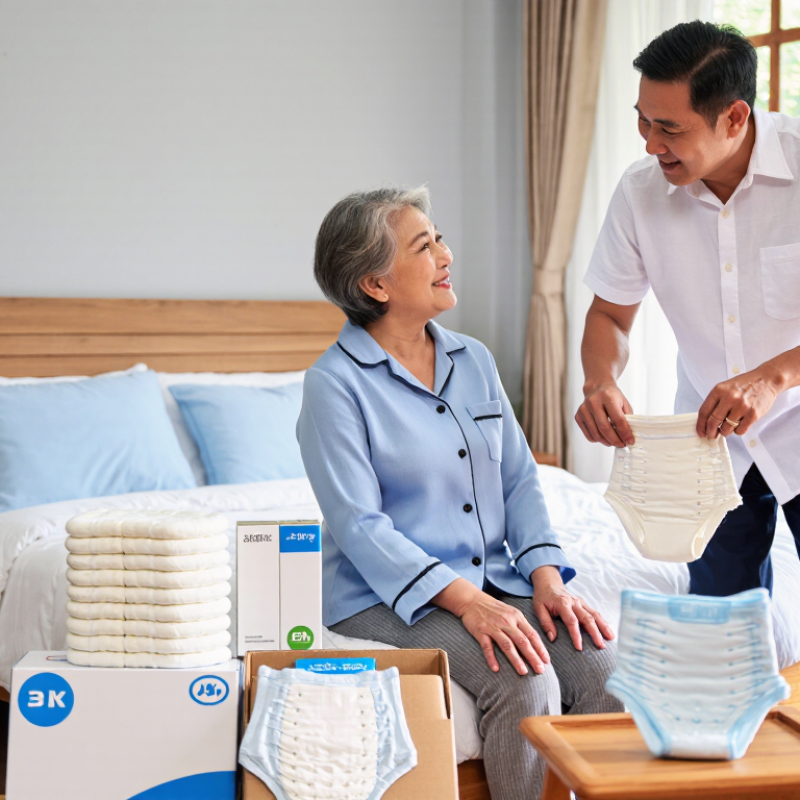
2026 Top Incontinence Products for Elderly How to Choose?

Understanding Incontinence and Individual Care Needs

Understanding Incontinence and Individual Care Needs

Incontinence is a symptom, not a personal failing. It can involve bladder leakage, bowel leakage, or both, and its causes vary. A sudden change, pain, blood in the urine, or fever deserves prompt medical advice.

Daily care also depends on mobility, dexterity, memory, skin sensitivity, and access to a bathroom. A product that works well for one person may feel uncomfortable or be difficult for another to manage.

Think about when leakage happens and how much protection is needed. A light pad may suit occasional drips, while a more absorbent brief may be useful overnight. Fit matters: leg openings that gape can leak, while a tight waistband may rub.

Try a small quantity before buying in bulk. Notice wet clothing, damp bedding, or redness on the skin. These details help guide adjustments. They are easy to overlook.

Care should preserve comfort and dignity. For example, someone who walks slowly may need clothing that is easy to lower, plus a clear path to the toilet at night.

A discreet reminder or scheduled bathroom visit may help, but routines should follow the person’s preferences. Keep skin clean and dry, and ask a healthcare professional about persistent irritation or changing symptoms.

Even careful planning can miss something; checking in regularly matters.

Comparing the Main Types of Incontinence Products

Comparing the Main Types of Incontinence Products

The right product depends on leakage volume, mobility, skin comfort, and how often assistance is available. NCHS Data Brief No. 121 reported urinary incontinence in about 50% of women and 25% of men aged 65 and older. It is common, but needs differ widely. Thin liners suit light leaks and fit inside ordinary underwear. Shaped pads hold more, though edges can rub during long walks. Pull-on protective underwear feels familiar and works well for people who can dress themselves. Check the leg openings while standing and sitting.

Tab-fastening briefs are easier for caregivers to change when someone has limited mobility. They also allow a closer fit, but frequent changes matter for comfort and skin health. Reusable absorbent underwear can reduce disposable waste; it requires washing, drying, and a spare set. Bed pads protect mattresses and chairs, but they do not replace a properly fitted wearable product. The Cochrane review of absorbent products for moderate-to-heavy incontinence found limited evidence to identify one design as best for everyone. That uncertainty is worth taking seriously. Keep a simple two-day log of leaks, changes, and discomfort, then discuss persistent symptoms with a clinician. A product that works overnight may fail during a trip to the bathroom.

Assessing Absorbency, Fit, Skin Health, and Mobility

Choosing incontinence products for an older adult starts with their real daily pattern, not the highest absorbency label. Note when leaks happen, how often the product needs changing, and whether the person can reach a toilet in time. ISO 11948-1 measures absorbency under laboratory conditions, but that result cannot predict every movement or overnight leak. No chart captures every night.

Fit matters during real movement. Check leg openings while the person is seated, standing, and walking; gaps can allow leaks, while tight elastic may leave marks. A pull-on style may suit someone who dresses independently, while a tab-fastened product can make changes easier for a caregiver. Try one adjustment at a time. It is easy to blame the product when clothing or transfer routines are part of the problem.

Skin needs attention too. Clean gently after leakage, pat dry, and change wet products promptly; persistent redness, pain, or broken skin warrants clinical advice. Gray and colleagues’ 2012 review reported incontinence-associated dermatitis in about 42% of incontinent patients across the included studies, though settings and methods varied. That figure is a reminder, not a personal prediction. Reassess fit and absorbency after changes in mobility, medication, or nighttime toileting, and involve a nurse or clinician when leakage or skin irritation continues.

Matching Products to Daily Routines and Care Settings

Choosing incontinence products for an older adult starts with the rhythm of an ordinary day. How often can the wearer reach a bathroom, and who can help with changes? For someone walking independently, a discreet pull-on style may be easier to manage. For a person who needs assistance, a tab-fastened brief can allow changes in bed or a chair. Fit matters. Check leg openings and the waistband while standing and sitting; gaps can lead to leaks, while tight edges may rub.

Match absorbency to the longest stretch between changes, such as a car ride or overnight sleep. More absorbency is not automatically better. A bulky product may feel uncomfortable during a daily walk. At home, keep clean supplies within reach and consider a washable, absorbent bed pad for extra protection. In a care setting, ask staff how changes are scheduled and whether the product is easy to check and replace. Small details count. A product that looks right on paper may bunch after an hour, so a short trial can reveal what works. Note comfort, leakage, and skin irritation; seek clinical advice if irritation persists or bladder changes are sudden.

2026 Top Incontinence Products for Elderly: How to Choose? — Matching Products to Daily Routines and Care Settings

Product type Often suits Typical routine or care setting Key selection points Practical use and care
Absorbent liners or pads Light leakage; people who can use their usual underwear Daytime at home, errands, or social activities Choose a shape and absorbency suited to the type and amount of leakage. Check that the pad fits securely and does not bunch. Replace when wet or soiled and check the skin regularly. These products are not a substitute for a larger garment when leakage is heavy.
Pull-on absorbent underwear Moderate leakage; people who can pull clothing up and down independently or with limited help Active daytime routines, assisted living, or supervised outings Use waist and hip measurements and the product’s sizing chart. A close, comfortable fit around the legs helps reduce gaps. Plan discreet changes and keep a spare garment available when away from home. Check and change it as needed rather than relying only on a fixed schedule.
Tab-fastened absorbent briefs Moderate to heavy leakage; people who need help with dressing or changes Bedside care, long-term care, or care for someone with limited mobility Look for refastenable tabs, suitable leg openings, and a size based on measurements. Caregivers should be able to check and adjust the fit without over-tightening. Can be changed while the wearer is lying down. Check promptly after bowel movements and follow the care plan for routine checks.
Overnight absorbent underwear or briefs People who experience leakage during sleep Night-time use at home or in a care setting Compare products intended for overnight use, but do not assume that a stated capacity will suit every person or every night. Check the fit before sleep and inspect the skin in the morning. Persistent overnight leakage may call for a different size, product, or clinical advice.
Reusable absorbent underwear Light to moderate leakage; people able to manage laundering or who have laundry support Home routines where washing and drying facilities are available Check the stated absorbency, fit, care instructions, and expected drying time. Keep enough pairs for the washing cycle. Wash according to the care label and ensure the garment is fully dry before reuse. Avoid fabric softener if the manufacturer advises against it.
Washable or disposable bed underpad Added protection for bedding, chairs, or other surfaces Bedtime, naps, seated care, or recovery after a change Choose a size that covers the area needing protection and a design that stays in place. An underpad is a surface protector, not a replacement for a wearable product. Replace or launder when wet or soiled. Smooth out folds and check the skin, especially for someone who spends extended periods in bed or in a chair.
Booster pad designed for compatible briefs People needing additional absorbency between planned changes Longer periods between changes when supported by an individual care plan Use only a booster designed to work with the chosen brief; products differ in backing and fit. Confirm compatibility in the instructions. Do not layer ordinary pads inside a brief unless the manufacturer says they are compatible. Check for leakage and change promptly if wet or soiled.

Choosing and changing: Absorbency labels and capacity can differ between products, so compare the instructions rather than relying on a universal scale. Prioritize a comfortable fit, timely changes, and regular skin checks. A healthcare professional can help if leakage changes suddenly, causes skin problems, or is accompanied by pain or other concerning symptoms.

Testing and Adjusting Products for Comfort and Protection

A first choice can feel right while standing and still shift after an hour of walking. Test a new product during an ordinary day, not just for a few minutes at home. Check whether the waistband rolls, leg openings gap, or fastening tabs pull when the wearer sits and bends. Comfort matters. A product that feels secure but pinches may be difficult to wear consistently.

Change one factor at a time, such as size, absorbency, or style. This makes it easier to spot what helps. For a simple fit check, smooth the product into place and look for snug, comfortable contact around the legs and waist. It should not leave deep marks. Keep notes on leaks, clothing changes, and how long the product stayed dry. A small paper log can reveal patterns, though it may not capture every detail.

Test protection during the situations that matter most, such as a walk, a car ride, or overnight sleep. Small leaks happen. Adjust the timing of changes or try a different absorbency if leakage continues, rather than layering products in a way that creates bulk or pressure. Check the skin daily for redness, soreness, or irritation. If problems persist, or leakage changes suddenly, ask a healthcare professional for guidance. Comfort and fit can take a few tries. That is not a failure.

FAQS

Which product suits light leaks?

Thin liners fit inside ordinary underwear and work for small leaks. Shaped pads hold more, but their edges may rub during long walks.

When are pull-on protective underwear and tab-fastened briefs useful?

Pull-on styles suit people who can dress themselves. Tab-fastened briefs can make changes easier for caregivers when someone has limited mobility.

How can I check whether a product fits?

Check the waistband and leg openings while standing and sitting. Gaps may leak; tight edges may rub. Fit matters.

How should absorbency match a daily routine?

Consider the longest time between changes, such as a car ride or overnight sleep. More absorbency is not always better; bulky products may feel awkward on a walk.

Can reusable underwear or bed pads replace other products?

Reusable underwear needs washing, drying, and a spare set. Bed pads protect mattresses and chairs, but do not replace a well-fitted wearable product.

How can I test a new product?

Wear it during an ordinary walk, car ride, or night’s sleep. Notice shifting, gaps, pinching, and leaks. A few minutes may not tell you much.

What should I record while comparing products?

Note leaks, changes, discomfort, and how long the product stays dry. A paper log is imperfect, but useful.

When should I seek clinical advice?

Check skin daily for redness or soreness. Ask a healthcare professional about persistent irritation or sudden changes in bladder symptoms. Small leaks happen.

Conclusion

Choosing incontinence products for older adults begins with understanding the person’s needs, including the type and frequency of leakage, comfort preferences, and level of independence. Options may include absorbent underwear, briefs, pads, or bed protection, each suited to different situations. When considering How to select incontinence care products for elderly patients, compare absorbency, fit, ease of changing, and how well the product supports healthy skin. A secure but comfortable fit can help reduce leaks and irritation, while mobility needs may affect whether a person can manage changes independently.

Daily routines and care settings also matter. A product used during the day may differ from one needed overnight or during travel, and caregivers should consider how practical it is to change and dispose of. Try suitable options, check for comfort and skin changes, and adjust the choice as needs evolve. The best solution is one that provides reliable protection while supporting dignity, comfort, and daily activity.

Isabella

Isabella

Isabella is a dedicated marketing professional with a sharp focus on driving brand growth and engagement through strategic content creation. With an extensive background in digital marketing, she combines her passion for storytelling with her keen understanding of industry trends to deliver......