Best Compression Stockings for Improved Circulation Benefits?

Time:2026-06-04 Author:Mason
0%

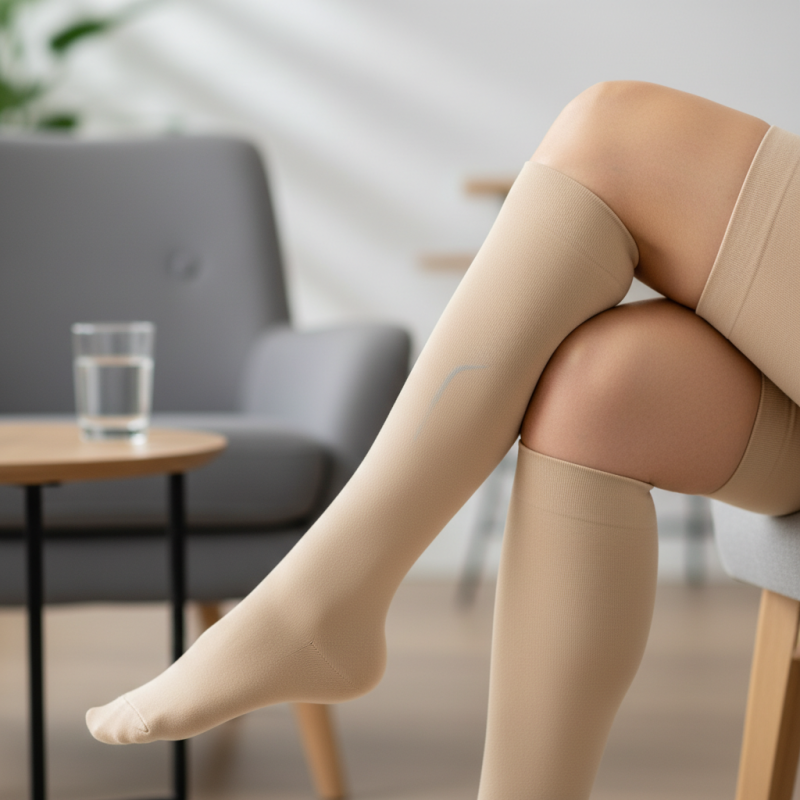
Compression stockings are gaining attention for their role in enhancing circulation. Many people seek solutions for poor blood flow issues. These stockings apply pressure to the legs, promoting better blood movement. They are often recommended by healthcare professionals for various conditions, including varicose veins and deep vein thrombosis.

Understanding how compression stockings benefit circulation is essential. The compression helps veins work more efficiently. This means less swelling and discomfort in the legs. Patients often report feeling lighter and more energized. However, not all compression stockings are the same. Quality, fit, and compression level matter greatly.

Despite the benefits, some users question their effectiveness. It’s essential to choose the right type based on individual needs. Consulting with a doctor before use can provide guidance. Overall, compression stockings offer a practical solution for many, but careful consideration is necessary for optimal results.
Best Compression Stockings for Improved Circulation Benefits?

Best Compression Stockings: Understanding Pressure Gradients for Circulation

Compression stockings play a vital role in enhancing circulation. Their effectiveness lies in the pressure gradients they create. Graduated compression means the pressure is greatest at the ankle and gradually decreases up the leg. This design promotes better blood flow back to the heart, alleviating swelling and discomfort.

Understanding pressure gradients helps you choose the right level of compression. Many options range from mild to firm compression. Mild compression can help with minor swelling, while firm compression is often recommended for more severe conditions. It's essential to consult a healthcare professional for personalized advice. They can guide you based on your specific needs.

Choosing the right compression stockings isn't always straightforward. Some may find the fit uncomfortable, while others might not feel immediate relief. It's a process of trial and error. Listen to your body and adjust your choice as needed. Everyone's vascular health is unique; what works for one person may not work for another. Take the time to understand your body and its needs.

Key Features of Effective Compression Stockings for Venous Health

Compression stockings are designed to enhance venous health by improving blood circulation in the legs. Key features to look for include graduated compression. This type provides the most pressure at the ankle and gradually decreases up the leg. This design helps propel blood back toward the heart, reducing swelling and discomfort.

Material also plays an important role in effectiveness. Breathable, moisture-wicking fabrics can improve comfort during extended wear. Look for stockings that fit snugly but not too tight. The right fit is crucial; overly tight stockings can lead to further circulation issues. It's essential to try different styles and sizes to find what feels best.

When selecting compression stockings, consider the level of compression measured in millimeters of mercury (mmHg). A higher number indicates more pressure. However, some individuals may find high compression uncomfortable. Balancing effectiveness and comfort can be a challenge. Regularly assessing how your body feels in the stockings can guide future choices. Listen to your body and adjust accordingly for optimal venous health.

Clinical Evidence Supporting Compression Therapy in Circulation Improvement

Compression therapy is increasingly recognized for its role in improving circulation. Numerous studies support its effectiveness in various settings, particularly for individuals at risk of venous disorders. Research shows that compression stockings can boost blood flow and reduce swelling. This is crucial for those with chronic venous insufficiency or post-surgical recovery.

Clinical evidence highlights the benefits of different compression levels. Graduated compression is noted for its ability to assist venous return. This method aids blood flow from the extremities back to the heart. Patients wearing these stockings often report significant relief from pain and discomfort. Furthermore, studies indicate that compliance with wearing these stockings can lead to a marked improvement in overall quality of life.

It's essential to consider individual needs when selecting compression wear. Not everyone responds the same way to therapy. Some may experience discomfort, while others find immediate relief. The variability in individual responses suggests a need for further research and personalized recommendations. Overall, the clinical backing for compression therapy is strong, yet every patient’s experience tells a unique story.

Choosing the Right Compression Level: Medical Guidelines and Recommendations

Choosing the right compression level is crucial for effective treatment and improved circulation. Medical guidelines suggest different levels of compression based on individual needs. For minor issues, a light compression of 15-20 mmHg may suffice. This level aids in reducing swelling and promoting better blood flow without causing discomfort.

For more serious conditions, a moderate compression of 20-30 mmHg is recommended. This is often advised for those with varicose veins or chronic venous insufficiency. It supports the veins more firmly, reducing symptoms significantly. However, choosing a higher compression level may not always be better. Proper assessment is key, and not every user needs maximum compression.

Engaging with healthcare professionals is essential before making a decision. They can provide tailored advice based on personal health conditions. Also, many people underestimate how compression stockings should fit. Ill-fitting stockings can actually hinder blood flow. Finding the right size and level is a balancing act that requires careful consideration.

Potential Risks and Contraindications of Using Compression Stockings

Compression stockings can offer significant benefits for circulation, but they aren't suitable for everyone. Research indicates that around 10% of individuals may experience adverse effects when using these garments. For some, skin irritation, discomfort, or even circulatory issues can arise. It is crucial to assess personal health conditions before choosing compression therapy.

People with certain vascular disorders, like peripheral artery disease, should avoid compression stockings. According to the Journal of Vascular Surgery, applying too much pressure can worsen symptoms. Healthcare professionals often caution against their use in cases of untreated blood clots or skin infections. Proper fitting is essential to mitigate risks.

Consultation with a medical professional is vital when considering compression stockings. This ensures that you receive appropriate guidance based on your specific needs. For individuals with existing health issues, self-diagnosis can lead to complications. Recognizing your body's responses to compression is a valuable reflection in the process. Prioritizing safety over perceived benefits can lead to better overall outcomes.

FAQS

: What are compression stockings used for?

: Compression stockings enhance circulation by creating pressure gradients that reduce swelling and discomfort.

How do pressure gradients work in compression stockings?

Pressure is greatest at the ankle and decreases up the leg, promoting better blood flow back to the heart.

What levels of compression are available?

Options range from mild compression for minor swelling to firm compression for more severe conditions.

How can I determine the right compression level?

Consult a healthcare professional who can assess your specific needs and recommend an appropriate level.

Why might some users find compression stockings uncomfortable?

Finding the right fit can be challenging, and some may require time to adjust to the stockings' pressure.

What should I do if I don’t feel immediate relief?

It’s normal to take time for relief; listen to your body and consider trying different options if needed.

How important is the fit of compression stockings?

A proper fit is crucial; ill-fitting stockings can hinder circulation and may exacerbate symptoms.

Can I use a higher compression level than recommended?

No, higher compression levels aren't always better. Assessment is key, as not everyone needs maximum compression.

What is the importance of consulting healthcare professionals?

They provide tailored guidance based on personal health, ensuring you select the right stockings and compression level.

Is it common to have to try different types of stockings?

Yes, it's often a trial and error process. Everyone's vascular health is unique, so adjustments may be necessary.

Conclusion

Compression stockings are designed to enhance venous health by utilizing pressure gradients, which can significantly improve circulation. These stockings work by exerting varying levels of compression on the legs, aiding in blood flow and reducing the risk of venous disorders. Key features of effective compression stockings include graduated compression, proper fit, and breathable materials, all of which contribute to their efficacy in supporting circulation.

Clinical studies have demonstrated the benefits of compression therapy, showing improvements in symptoms like swelling and discomfort associated with various circulatory issues. However, selecting the appropriate level of compression is crucial, and medical guidelines can help individuals make informed choices. It is also important to be aware of potential risks and contraindications, ensuring that those who require them can use compression stockings safely. Overall, understanding how compression stockings benefit circulation can empower individuals to prioritize their venous health effectively.

Mason

Mason

Mason is a seasoned marketing professional with a deep expertise in the company's offerings and a passion for driving brand awareness. With a strong background in digital marketing strategies, he has an innate ability to connect with diverse audiences and effectively communicate product benefits.......