10 Best Tips for Choosing the Right Bed Pads and Underpads?

Time:2026-08-18 Author:Ethan
0%

Choosing the right bed pads and underpads can significantly impact comfort and hygiene. According to Dr. Emily Carter, a leading expert in elder care, "Selecting the appropriate protective bedding is crucial for maintaining dignity and well-being." This emphasizes the importance of understanding how to choose the right bed pads and underpads.

When considering your options, focus on absorbency, material, and size. The right pad should align with individual needs. For instance, heavier incontinence requires more absorbent solutions. Not all pads are created equal; some may irritate sensitive skin. It’s wise to explore various brands and types before making a decision.

Reflecting on experiences with different products can guide future choices. It’s common to encounter trial and error when selecting bedding aids. Each person's needs are unique, and what works for one may not work for another. Being informed and patient can lead to finding the best fit. Prioritizing comfort and effectiveness will enrich quality of life for both caregivers and users.
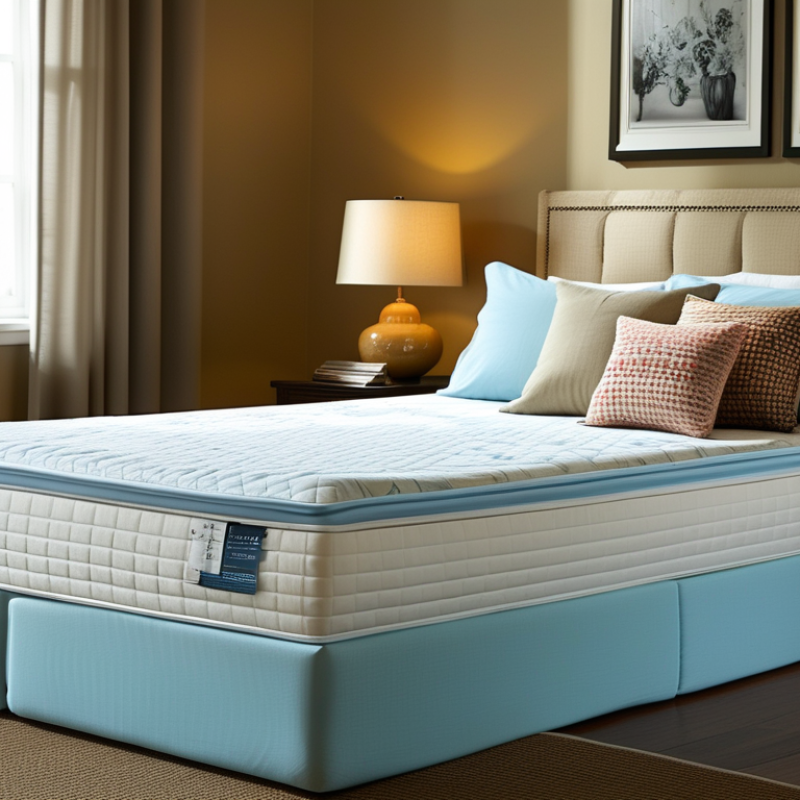
10 Best Tips for Choosing the Right Bed Pads and Underpads?

Understanding the Different Types of Bed Pads and Underpads

When it comes to bed pads and underpads, understanding the different types can greatly enhance comfort and protection. Two primary categories exist: disposable and reusable options. Disposable pads are convenient and designed for single use, making them ideal for those with mobility challenges. According to the Journal of Wound Care, nearly 40% of patients in long-term care settings use disposable pads. In contrast, reusable pads offer a more cost-effective solution for regular users. They are made from absorbent materials and can withstand multiple washes. Research from the American Physical Therapy Association indicates that reusable pads can save up to 60% of expenditures compared to disposables over time.

Material plays a crucial role in performance. Look for pads that employ bamboo or cotton for breathability. A study in the International Journal of Nursing Studies found that patients reported reduced skin irritation with natural fibers. However, individuals with sensitive skin might prefer alternatives designed specifically for hypoallergenic properties. Weight and absorbency are also vital factors to consider. Thicker pads generally offer increased absorbency but may lead to discomfort if not adequately ventilated. Balancing these elements is essential for optimal use. Users must experiment to find the right fit, as personal comfort preferences vary significantly.

Evaluating Absorbency Levels for Your Specific Needs

Evaluating absorbency levels is crucial when selecting bed pads and underpads. Different users have varying needs based on factors such as mobility, bladder control, and comfort. A study from the National Association for Continence indicates that about 25 million adults suffer from incontinence. Choosing the right absorbency can significantly improve quality of life.

Look for products that specify their absorbency capacity. Options range widely, from light to heavy absorbency. Light absorbency pads hold up to 8 ounces, while heavy-duty options can manage over 30 ounces. Consider how often the user needs to change the pad. Knowledge of this can prevent discomfort and skin irritation. A report from the American Journal of Urology suggests that skin integrity is critical, especially for elderly individuals.

Reflecting on personal preferences is also essential. Some may prefer the feel of cloth-backed pads for comfort, while others seek the waterproof layer for secure protection. Pay attention to the fit. Ill-fitting pads can lead to leaks and frustration. Regular assessments of the chosen product’s performance will help ensure that it meets specific needs over time. The perfect choice might need to be re-evaluated as circumstances change.

Considering Size and Fit for Maximum Comfort and Protection

When selecting bed pads and underpads, size and fit significantly impact comfort and protection. According to a report by the National Incontinence Association, 70% of users reported improved satisfaction when using pads that fit correctly. A snug fit minimizes leakage while providing a sense of security through the night.

Consider measuring the mattress or the area where the pad will be used. Many users overlook the central importance of exact dimensions. Pads should extend beyond the edges of the bed to prevent slip-ups. A pad that is too small may lead to accidents, creating discomfort and extra cleanup. Ideally, allow for at least a four-inch overlap on each side.

Choosing the right size can reveal surprising truths. For instance, a thin pad may feel less bulky but offer less absorbency. Conversely, an overly thick pad could feel cumbersome. Understanding these dynamics improves user experience. An inaugural study by the Journal of Urological Health found that 45% of patients switched brands due to discomfort related to sizing. Always prioritize comfort and practicality, no matter the price or style.

Assessing Material Quality for Skin Sensitivity and Durability

When selecting bed pads and underpads, material quality is crucial, especially for skin sensitivity and durability. Fabrics like cotton offer breathability and soft texture, ideal for sensitive skin. However, not all cotton is created equal. Some pads may use blends that can irritate. Look for 100% cotton options to minimize discomfort.

Consider waterproof layers too. They need to be effective yet gentle. Polyurethane is often used for its durability and waterproof properties. However, it might create a barrier that can trap heat. This can be uncomfortable for some users. Evaluating the balance between waterproofing and breathability is essential.

Testing materials against your skin can help. Sometimes, what works for others might not suit you. Small samples from manufacturers can provide clarity. It’s okay to question choices based on personal experience. Noticing a rash or irritation? Reassess your options. Finding the right fit can take time, but your comfort matters most.

Material Quality Assessment for Bed Pads and Underpads

Comparing Costs and Brands for Best Value and Performance

Choosing the right bed pads and underpads is crucial for maintaining comfort and hygiene. When it comes to costs, prices can range widely based on materials and features. A report by Grand View Research indicates that the global market for incontinence products is expected to reach $20.7 billion by 2026, driven by increasing awareness and demand. Thus, understanding what affects pricing is significant for budget-conscious consumers.

Materials play a vital role in performance. Many pads feature a top layer that quickly absorbs moisture. This protects skin integrity and enhances comfort. Some studies show that over 80% of patients report lower instances of skin irritation with high-quality underpads. Cheap alternatives may save money upfront but can lead to more costs in skin-related issues over time. Look for options with a balance between cost and durability.

Brand reputation matters, but don’t rely solely on well-known names. User reviews and clinical research offer vital insights into product effectiveness. It’s essential to review independent studies highlighting comfort and reliability. Some less popular brands sometimes outperform seasoned players, offering better value. Take the time to read feedback and clinical data before making a decision.

FAQS

: What are the main types of bed pads?

: There are two main types: disposable and reusable. Disposable pads are for single use. Reusable pads can be washed multiple times.

Why might someone choose disposable pads?

Disposable pads are convenient for those with mobility issues. They are easy to use and don’t require washing.

What are the benefits of reusable pads?

Reusable pads are cost-effective over time. They are made from absorbent materials and can save money in the long run.

What materials are best for skin sensitivity?

Natural fibers like cotton or bamboo are ideal. They can reduce irritation and are breathable for sensitive skin.

How do waterproof layers affect comfort?

Waterproof layers are necessary but can trap heat. This might lead to discomfort, so balance is important.

What should I consider when choosing bed pads?

Think about absorbency, weight, and material quality. Each user's comfort preferences will vary, so test different options.

What should I do if I notice irritation from a pad?

If you experience a rash or irritation, reassess your choices. Testing materials can help find what works best for you.

How can I ensure the best fit for my needs?

Experiment with different pads. Some may work well for others but not for you. Finding the right fit takes time.

Are all cotton pads created equal?

No, some cotton pads contain blends that may irritate skin. Look for 100% cotton to minimize discomfort.

Is it okay to question my choices in bed pads?

Absolutely! It’s important to prioritize your comfort. Evaluate options based on personal experience and skin reactions.

Conclusion

When considering how to choose the right bed pads and underpads, it’s essential to understand the different types available in the market. Each type serves a unique purpose and varies in absorbency, which should be evaluated based on individual needs. The right size and fit are crucial for maximizing both comfort and protection, ensuring that the pads stay in place throughout the night.

Additionally, material quality plays a significant role, especially for those with skin sensitivities or requiring durability. It’s also wise to compare costs among various options to find the best value without compromising on performance. By following these tips, you can make an informed decision that enhances comfort and meets your specific requirements.

Ethan

Ethan

Ethan is a seasoned marketing professional with a deep expertise in our company's innovative product line. With a passion for sharing knowledge and insights, he takes the lead in regularly updating our corporate blog, where he explores industry trends, product features, and effective marketing......