In the healthcare industry, maintaining hygiene is crucial. With the rise of healthcare-associated infections (HAIs), which affect 1 in 31 hospital patients, the role of hygiene cannot be underestimated. Disposable medical products, such as gloves, gowns, and masks, are designed to prevent cross-contamination. However, they must be used correctly to be effective.
Understanding How to maintain hygiene using disposable medical products is vital for healthcare professionals. For instance, the CDC recommends changing gloves between patients to reduce the risk of infection. Moreover, a study from the World Health Organization highlights that proper disposal of these items can further enhance hygiene practices in healthcare settings. Healthcare facilities using disposable products reduce the chances of spreading pathogens, but improper use can lead to serious implications.
Despite their advantages, many practitioners still overlook proper hygiene protocols. They might reuse disposable items or fail to change them frequently. This not only compromises patient safety but also undermines the overall efficacy of disposable medical products. Addressing these gaps is essential in creating a safer healthcare environment.
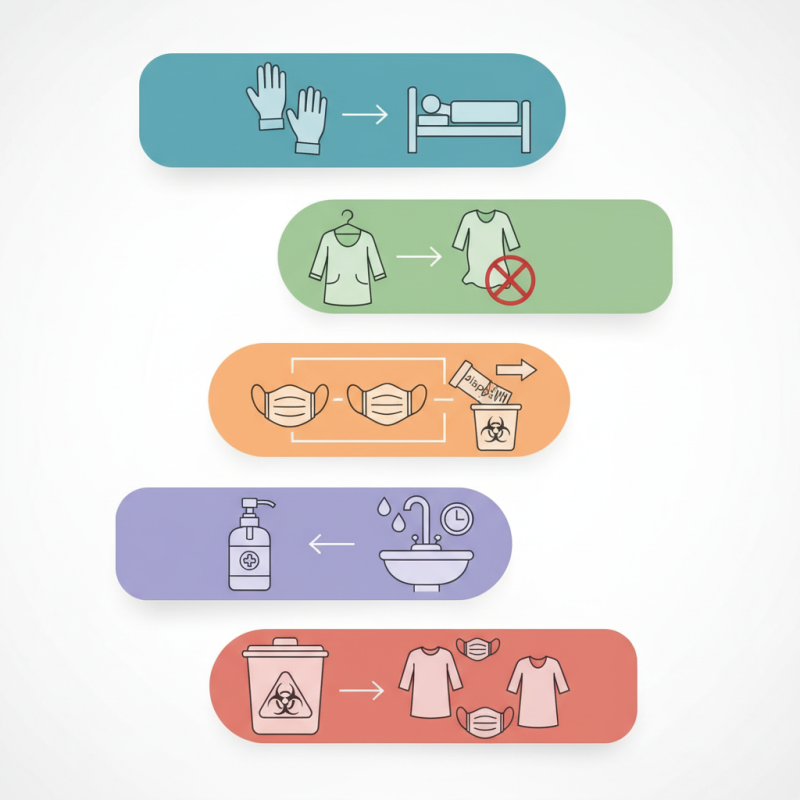
Hygiene is crucial in the healthcare sector, particularly in the use of disposable medical products. These items are designed for single use to prevent cross-contamination. According to a 2021 report by the World Health Organization, proper hygiene practices can reduce hospital-acquired infections by up to 30%. This underscores the need for stringent hygiene protocols when handling these products.
Improper disposal of medical waste poses significant risks. A recent study from the Journal of Hospital Infection indicated that 25% of healthcare workers admitted to inadequate disposal practices. This reflects a worrying trend that needs immediate attention. To address this, training programs should emphasize proper disposal methods. Staff should be educated about the direct risks associated with poor hygiene practices.
Additionally, the environment where disposable products are utilized plays a role. A clean and organized workspace significantly lowers the likelihood of contamination. The Centers for Disease Control and Prevention (CDC) reports that cluttered areas can harbor pathogens, making regular cleaning habits essential. Regular audits and adherence to guidelines will help in maintaining high hygiene standards.
Choosing the right disposable medical products is crucial for maintaining optimal hygiene. Each product type, such as gloves, masks, and gowns, has specific hygiene requirements. For instance, medical gloves should fit snugly and be puncture-resistant to prevent contamination. Using proper gloves lowers the risk of infections significantly.
It’s important to consider the material. Latex, nitrile, and vinyl each have their pros and cons. Latex offers comfort but may cause allergies in some people. Nitrile is often more durable and maintain hygiene better. Gowns should be fluid-resistant to protect against spills. Selecting the correct product type can seem overwhelming at times.
Regularly reviewing and updating your inventory is vital. Products can expire or lose their effectiveness, leading to hygiene breaches. Training staff on proper usage and disposal of these items is equally essential. Encouraging feedback on product performance can also highlight areas needing improvement. Making informed decisions about disposable medical products keeps both patients and staff safe.
When storing disposable medical products, it's crucial to maintain a clean environment. Start by choosing an appropriate storage area. This space should be dry, cool, and away from direct sunlight. Ensure that the surface is sanitized regularly to prevent any potential contamination. Items should be organized neatly in designated containers to avoid confusion and ensure easy access.
Packaging is vital for maintaining hygiene. Keep products in their original, sealed packaging until you need them. This helps to retain sterility and protect against environmental factors. Avoid overstocking to minimize the risk of expired products. Regularly check expiration dates and remove any that are past due, as this can compromise safety.
Consider the arrangement of items. Store heavier products at the bottom to prevent spills or accidents. Lighter ones can go on top, but ensure they are securely placed to avoid falling. Labels indicating product type and expiration dates can enhance safety. While these steps require effort, they are essential for maintaining hygiene and ensuring the safety and efficacy of medical products.
Disposal of used medical supplies is critical for maintaining hygiene and preventing infections. According to the WHO, improper disposal can lead to the spread of diseases. For example, discarded needles can transmit bloodborne pathogens. It’s essential to follow best practices for safe disposal.
Tip 1: Always use puncture-proof containers for sharps. These containers prevent accidental injuries and contamination. Place them in accessible areas. This makes it easier for healthcare workers to discard used needles safely.
Many healthcare facilities struggle with disposal methods. An estimated 16% of waste is hazardous, posing risks if not managed properly. Disposing of medical products in regular trash is not acceptable. Ensure to follow local regulations for hazardous waste.
Tip 2: Educate staff on disposal protocols. They should understand the importance of proper waste segregation. Implementing training can significantly reduce disposal errors.
Another effective measure involves regular audits of disposal practices. These audits help identify gaps in the system. They also encourage a culture of safety. It fosters accountability among staff regarding hygiene practices.
Tip 3: Create clear signage. This guides everyone on proper disposal techniques. Visibility of information helps reinforce the importance of hygiene.
By adhering to these practices, healthcare facilities can manage waste effectively. This not only protects patients but also the environment.
This bar chart illustrates the importance level of various hygiene tips when using disposable medical products. Each tip is rated on a scale from 1 to 10, highlighting the significance of safe practices in maintaining hygiene. Proper Handwashing and Safe Disposal are the most crucial practices for ensuring safety and hygiene in medical settings.
Maintaining hygiene in medical settings is crucial. Regular staff training on hygiene protocols significantly impacts how disposable medical products are handled. Training should cover proper disposal, usage, and sanitation of these items. Staff must understand the importance of personal protective equipment when dealing with disposables. This knowledge creates a safer environment for both healthcare workers and patients.
Training sessions should be frequent and updated regularly. New guidelines and best practices in hygiene evolve. Keeping staff informed ensures compliance with the latest health regulations. Engaging staff in hands-on training can improve their confidence in these protocols. Beyond training, encouraging a culture of accountability can reinforce these practices.
It is important to reflect on potential shortcomings in hygiene practices. Even with training, there may be lapses due to hectic schedules or forgetfulness. Continuous monitoring and open discussions can help address these issues. Creating a system for reporting hygiene concerns may also foster a proactive approach to maintaining standards. Regular feedback loops can refine training and enhance awareness among staff. Only through ongoing education and reflection can facilities uphold optimal hygiene standards.
| Tip | Description | Frequency | Responsible Party |
|---|---|---|---|
| Regular Staff Training | Conduct biannual training sessions on hygiene protocols for handling disposable medical products. | Every 6 months | Training Coordinator |
| Proper Waste Disposal | Implement strict protocols for the disposal of medical waste to prevent contamination. | Daily | Facility Management |
| Use of Personal Protective Equipment | Ensure all staff wear appropriate PPE when handling disposable products. | Always | All Staff |
| Regular Cleaning of Work Areas | Establish a routine for cleaning and sanitizing areas where disposable products are used. | Multiple times a day | Cleaning Staff |
| Monitoring and Feedback | Implement a system for monitoring compliance with hygiene protocols and gather feedback for improvements. | Monthly | Quality Assurance Team |
: It is crucial as each product type has specific hygiene requirements. Proper choices lower infection risks significantly.
Gloves should fit snugly and be puncture-resistant to prevent contamination and ensure safety.
Store in a dry, cool area away from sunlight. Keep surfaces sanitized to prevent contamination.
Keep products in their original, sealed packaging until use. This retains sterility and protects products.
Regular training on proper usage, disposal, and sanitation is essential for better handling practices.
Products can expire or lose effectiveness, leading to potential hygiene breaches, so frequent checks are vital.
Understanding its importance in protecting themselves and patients is crucial during the handling of disposables.
Include hands-on training and update protocols regularly to keep staff informed of the latest best practices.
Even with training, lapses may occur. Continuous monitoring can help address these issues effectively.
Encourage a culture of accountability and create a system for reporting hygiene concerns among staff.
Maintaining hygiene using disposable medical products is crucial for ensuring patient safety and preventing infections. Understanding the significance of hygiene in these products, healthcare providers should prioritize selecting suitable disposable items that meet stringent safety standards. This not only helps in providing optimal hygiene but also reduces the risk of contamination in medical settings.
Proper storage of disposable medical products is vital to prevent any exposure to harmful pathogens. It is essential to follow best practices for the safe disposal of used medical supplies to avoid cross-contamination. Additionally, regular staff training on hygiene protocols is imperative to reinforce safe practices when using disposable medical products. By implementing these tips, healthcare facilities can effectively maintain hygiene and promote a safer environment for patients and staff alike.

Seaoriva Medical