Choosing the right pharmacy packaging is crucial for both safety and efficiency. Dr. Lisa Harper, a leading expert in pharmaceutical logistics, emphasizes, “The right packaging not only protects the product but also enhances patient trust.” Understanding how to choose pharmacy packaging for safety and efficiency is essential for pharmacies today.
Many factors influence this process, such as materials, design, and regulatory compliance. Packaging must be child-resistant and tamper-evident. It should also ensure medication stability during transport and storage. These aspects are vital, yet often overlooked in the selection process.
One common oversight is neglecting user experience. Packaging that is difficult to open or read can lead to medication errors. It is important to balance functionality with ease of use. Consideration of such details can make a significant impact on patient safety and satisfaction. Therefore, reflecting on one’s choices in pharmacy packaging can yield better outcomes for all stakeholders involved.
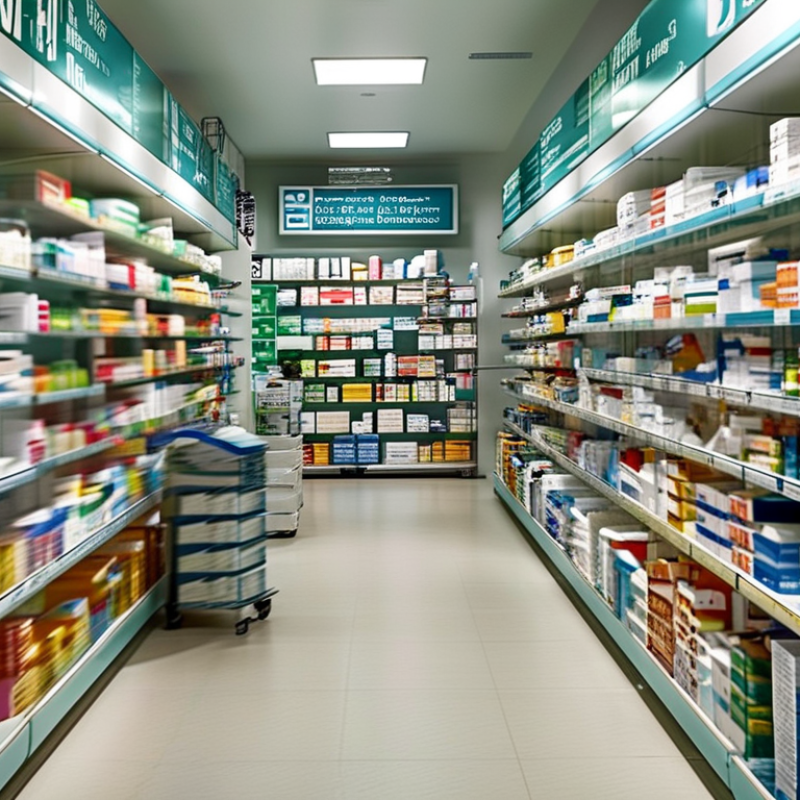
Pharmacy packaging plays a critical role in ensuring patient safety. Well-designed packaging protects medications from contamination and spoilage. It also provides essential information, such as dosage instructions and expiration dates. Misunderstanding labels can lead to medication errors, which may harm patients.
Moreover, safe packaging minimizes the risk of accidental ingestion, especially for children. For example, child-resistant caps can prevent curious hands from accessing harmful substances. Transparent packaging can help patients recognize their medications easily, enhancing adherence to prescribed treatments.
However, the challenge lies in balancing safety with efficiency. Packaging must be convenient for patient use, not overly complicated. Some designs may be difficult for elderly patients, who may struggle with intricate opening mechanisms. Pharmacists must continuously assess packaging solutions to ensure they meet the needs of diverse patient populations.
Packaging in the pharmacy sector is governed by strict regulations to ensure safety and efficiency. Key regulations often include guidelines set by agencies, which mandate child-resistant features and tamper-evident designs. Compliance with these regulations protects consumers and enhances the integrity of medicines. For instance, packaging must clearly indicate ingredients and expiration dates. Manufacturers should never overlook the importance of labeling accuracy.
Tips: Always consult legal experts when navigating pharmacy packaging laws. Ensure that all packaging materials meet FDA or other relevant standards.
Pharmacy packaging must also consider environmental impacts. Some regulations promote sustainable materials. However, balancing sustainability with durability can be challenging. Many packaging solutions may not be fully recyclable or compostable. Manufacturers should continually review their packaging choices. This will contribute to both compliance and environmental responsibility.
Tips: Regularly audit packaging processes for compliance. Engage with stakeholders to identify areas for improvement.
When choosing pharmacy packaging, evaluating material options is crucial. Three popular choices are plastic, glass, and eco-friendly solutions. Each option has unique characteristics and impacts on safety and efficiency.
Plastic packaging often offers durability and lightweight features. It is resistant to shattering and can be produced in various forms. However, concerns regarding chemical leaching from some types of plastic can arise. It's essential to assess the specific type of plastic used. Some patients may also have allergies, making it necessary to consider alternatives.
Glass packaging stands out for its inert nature. It does not interact with medications like some plastics might. However, glass is heavier and can break easily. This raises safety concerns for transport and handling. Eco-friendly solutions are gaining popularity. These options often use biodegradable materials or recycled content. They appeal to environmentally conscious consumers but may raise questions about cost and long-term effectiveness. Choosing the right packaging requires balancing safety, efficiency, and environmental impact. Each option needs careful consideration to ensure the best outcome.
When considering pharmacy packaging, the design plays a significant role in drug efficacy and stability. The choice of materials can impact how well a medication retains its potency. Factors like moisture, light exposure, and temperature variations are critical. For instance, certain medications require protection from light, while others are sensitive to humidity.
Selecting the right packaging can extend a drug's shelf life. However, it is not just about choosing superior materials; the design must also ensure user safety. Easy-to-open containers can prevent mistakes in dosage. Yet, they can also lead to unintentional exposure if not designed properly. A delicate balance between accessibility and safety is essential.
Moreover, understanding regulatory requirements is vital for effective packaging solutions. Regulations can dictate material selection and labeling, influencing how a product is perceived. Manufacturers often face challenges in meeting these expectations while maintaining aesthetic appeal. A compelling design can attract consumers, but it must not compromise drug integrity. Balancing these elements is a complex task that requires continual reflection and improvement in the packaging process.
Pharmacy packaging solutions are evolving rapidly. The introduction of smart packaging technologies plays a crucial role in ensuring both safety and efficiency. These innovations utilize sensors and QR codes to communicate vital information to consumers. They can indicate whether a medication has been stored at the correct temperature. This can prevent potential health risks due to compromised products.
Another significant innovation is the use of tamper-evident seals. These can alert users if a product has been disturbed. Improved materials are also being explored. Biodegradable packaging options offer an eco-friendly alternative, aligning with sustainability goals. However, the effectiveness of these materials in protecting pharmaceutical integrity must be studied further. Packaging must balance environmental concerns with the need for safety and reliability.
Nonetheless, not all technological advancements are flawless. The integration of high-tech solutions must consider user-friendliness. Complex designs may confuse elderly patients or those with disabilities. Also, manufacturers face the challenge of cost versus functionality. Investing in advanced technology should not overshadow the primary goal: delivering safe and effective medications. As the industry adapts, continuous evaluation and feedback will be crucial in refining these solutions.
| Packaging Type | Material | Safety Features | Sustainability | Cost Efficiency |
|---|---|---|---|---|
| Blister Packs | PVC, Aluminum | Child-resistant, Tamper-evident | Moderate | High volume production, Low cost |
| Glass Bottles | Glass | Sealed caps, Light protection | High | Relatively low, but fragile |
| Syringes | Plastic, Glass | Sterilization, Safety locks | Moderate | Cost effective for single-use |
| Foil Pouches | Aluminum, Plastic | Moisture-proof, Tamper-evident | High | Cost-effective for bulk packaging |
| Plastic Tubes | Polyethylene | Screw caps, Easy to dispense | Moderate | Low cost and lightweight |
: It protects medications from contamination and provides crucial information like dosage and expiration dates.
Child-resistant caps are used to keep harmful substances away from children, enhancing safety at home.
Complicated opening mechanisms can make it difficult for them to access their medications safely.
Plastic, glass, and eco-friendly materials are popular choices, each with unique advantages and drawbacks.
Some plastics may leach chemicals, and allergies to specific types can affect patient safety.
Glass is inert and does not interact with medications, ensuring stability and efficacy.
Glass can break easily and is heavier, raising safety concerns during transport and handling.
They are appealing for their environmental benefits but may raise questions about cost and effectiveness.
Factors like moisture and light exposure affect medication potency, making material choice and design essential.
They must balance compliance with regulations, aesthetics, and user safety to avoid compromising drug integrity.
Pharmacy packaging plays a crucial role in ensuring patient safety and medication efficacy. Understanding the importance of safe packaging is essential for protecting medications from contamination and deterioration. When considering "how to choose pharmacy packaging for safety and efficiency," one must take into account the key regulations that govern packaging standards, ensuring compliance with all required safety protocols.
In addition to regulations, evaluating material options such as plastic, glass, and eco-friendly solutions is vital. Each material has unique benefits and drawbacks that can influence not only safety but also the environmental impact of the packaging. Furthermore, the design of the packaging can significantly affect drug stability and efficacy, necessitating a thorough analysis of these factors. Lastly, exploring technological innovations in pharmacy packaging can lead to enhanced efficiency and safety, ultimately improving patient outcomes and satisfaction.

Seaoriva Medical