Choosing a disposable medical product for home care is not just a shopping decision. It can affect comfort, cleanliness, and the daily routine of a patient and caregiver. The World Health Organization and UNICEF’s 2022 report on water, sanitation, and hygiene in health-care facilities found that one in three facilities lacked hand-hygiene services at the point of care. This is not a measurement of home-care conditions, but it shows why reliable hygiene practices matter. At home, the details are tangible: a clean dressing pack, gloves that fit, and a waste bin within reach.
How to choose disposable medical products for home care starts with the care task, not the package claims. Check whether the item is intended for that use, whether its size and materials suit the patient, and whether instructions are clear. For wound care or other clinical needs, ask a qualified health professional before changing products. A disposable item may reduce cleaning and reuse steps, but it does not replace hand hygiene or correct handling. Small choices matter. Some packaging is confusing; that deserves a second look.
Nursing pioneer Florence Nightingale offered a principle that still guides safe care: “The very first requirement in a hospital is that it should do the sick no harm.” Her words were not about modern disposable supplies, yet they offer a useful standard: choose products that support safe, practical care rather than convenience alone. Check trusted product information, follow professional advice, and reconsider choices when a product causes discomfort or makes care harder. The best option is not always the most expensive one.
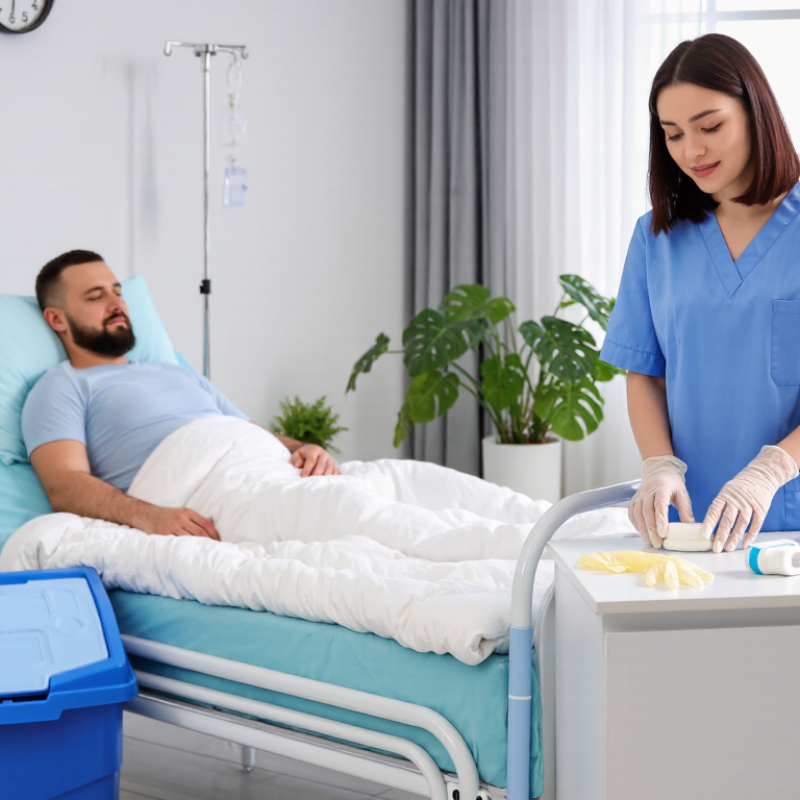
Disposable medical products used in home care include items designed for one use, then disposal. They can support hygiene, wound care, and everyday caregiving. Common examples include examination gloves, procedure masks, disposable aprons, cleansing wipes, and absorbent bed pads. For wound care, supplies may include sterile gauze, non-adherent dressings, and single-use saline containers, when recommended by a healthcare professional. Incontinence care may involve disposable briefs, underpads, and wipes. Small details matter: a pad’s size and absorbency should suit the person and the bed or chair.
These products can reduce the need to clean reusable equipment, but they do not replace handwashing or careful handling. Not every task needs a glove. Use gloves when contact with body fluids is possible, and change them between tasks. Check that sterile packaging is intact and follow the product instructions and care plan. Discard used items safely; never reuse products labeled for single use. It is easy to overbuy. Keeping a small, organized supply near the care area can make daily routines easier, though needs may change as a person’s condition changes. When unsure about a dressing or protective item, ask a qualified clinician.
| Product Category | Typical Home-Care Use | Why a Disposable Option May Be Chosen | Practical Safety Consideration |
|---|---|---|---|
| Examination gloves | Used by caregivers during tasks that may involve contact with blood, body fluids, mucous membranes, or contaminated items. | A fresh pair for each appropriate task helps reduce the transfer of contamination between people or care activities. | Choose the glove material and size suited to the task. Change gloves between tasks and perform hand hygiene; gloves do not replace handwashing. |
| Gauze pads and wound dressings | Used to cover wounds, absorb drainage, or protect a wound as part of a care plan. | Single-use dressings provide a clean item for each dressing change and avoid the need to launder or reprocess them. | Follow the clinician’s instructions for dressing choice and change frequency. Seek advice if the wound becomes increasingly painful, red, swollen, or produces unusual drainage. |
| Adhesive bandages and medical tape | Used to cover minor cuts or secure dressings and tubing where appropriate. | Fresh adhesive products can be applied when needed without reusing a soiled or weakened item. | Apply to clean, dry skin as directed. Check for skin irritation, and avoid wrapping tape or bandages so tightly that circulation is affected. |
| Alcohol swabs and skin-preparation wipes | Used for specific skin-preparation tasks, such as before certain injections, when directed by a healthcare professional. | Individually packaged wipes help keep the solution contained and provide a fresh wipe for the intended use. | Use only for the purpose stated on the package or in care instructions. Allow the skin to dry when instructed; do not use on wounds unless the product directions say to. |
| Needles and syringes | Used for prescribed injections or medication administration by a trained person. | New, sterile, single-use equipment is intended to reduce contamination and infection risks associated with reuse. | Never reuse or share needles or syringes. Place used sharps promptly in an approved sharps container and follow local disposal guidance. |
| Urinary catheters and related supplies | Used for urinary drainage when prescribed and managed according to a clinician’s instructions. | Some catheter products are supplied as sterile, single-use items, supporting a clean setup for the specified procedure. | Catheter type, insertion technique, and replacement schedule depend on the care plan. Do not reuse a product labeled for single use. |
| Disposable underpads | Placed on a bed or chair to help manage moisture during personal care or incontinence care. | They can be changed after use, reducing the need to immediately launder a reusable pad and helping keep the surface dry. | Change when wet or soiled and keep skin clean and dry. Underpads do not replace regular repositioning or skin checks for people at risk of pressure injury. |
| Procedure masks and protective gowns | Used for selected care tasks when recommended by infection-control guidance or a healthcare professional. | Single-use items can be discarded after the designated use rather than cleaned for another person or task. | Use the type appropriate to the exposure risk and follow package instructions for fit, removal, and disposal. |
Use products according to their labels and the individual care plan. “Disposable” does not mean every item is appropriate for every task; sterile products should remain sealed until use, and items labeled for single use should not be reused.
Use a fresh pair for each task, such as changing a dressing or providing personal care. Wash your hands before and after. Gloves do not replace handwashing.
It can protect bedding during bathing or overnight care. Keep one within reach before starting.
Set them on a clean, uncluttered surface. Gather items first, so the person is not left alone while you fetch something.
Check that the package is dry, intact, and not past its expiration date. If it is torn or wet, do not use it.
No. Use a new dressing and fresh gloves for wound care each time. Single-use means one use.
Keep them in original packaging in a cool, dry place. A labeled box, away from sinks, heaters, children, and pets, can help.
Stop using the item and check the person’s comfort. Skin reactions can happen, and care routines may need adjusting.
Follow the product label and local health guidance. Put used needles directly into an approved sharps container; never leave them loose in a bag.
No. Do not flush them. Disposal rules can be inconvenient, but guessing is not a safe shortcut.
Disposable medical products can make home care safer and more manageable by providing practical supplies for routine tasks such as wound care, personal hygiene, and handling everyday care needs. Items designed for single use help reduce the chance of transferring germs between people or surfaces, while also saving time on cleaning and preparing reusable equipment. Their convenience can support caregivers and family members as they maintain consistent care at home.
How to choose disposable medical products for home care depends on the person’s needs, the task, comfort, fit, and the product’s intended use. Check instructions before use, keep supplies clean and dry, and store them where they remain protected from damage or contamination. After use, dispose of each item appropriately and follow any guidance provided with the product. Thoughtful selection and safe handling help make disposable supplies a useful part of everyday home care.

 Seaoriva Medical