Choosing a clinical hand sanitizer is not a simple purchase decision. It affects infection prevention, staff comfort, patient trust, and daily workflow. The WHO and UNICEF Joint Monitoring Programme reported in 2024 that 1.7 billion people still lacked basic hygiene services in healthcare facilities in 2022. The gap is serious.
How to choose the right hand sanitizers for clinics begins with evidence, not attractive packaging. The CDC recommends an alcohol-based hand sanitizer containing at least 60% alcohol when soap and water are unavailable. Clinics should also review broad-spectrum effectiveness, drying time, skin tolerance, dispenser compatibility, and product traceability. A sanitizer that dries too slowly may discourage repeated use. One that leaves sticky residue may contaminate keyboards, door handles, and examination equipment.
Dr. Didier Pittet, a globally recognized hand-hygiene expert, has emphasized, “Hand hygiene is the single most important measure to prevent infection transmission.” His message remains practical beside every consultation room. Yet real clinics are rarely perfect. A product may meet technical expectations but fail beside a busy triage desk. I would test it during crowded shifts, not only in a supplier demonstration. WHO’s Guidelines on Hand Hygiene in Health Care also stress proper placement, product availability, and staff adherence. Therefore, the right choice combines verified formulation, comfortable repeated use, reliable supply, and visible access. Price matters. But false savings can become expensive when staff avoid the product.
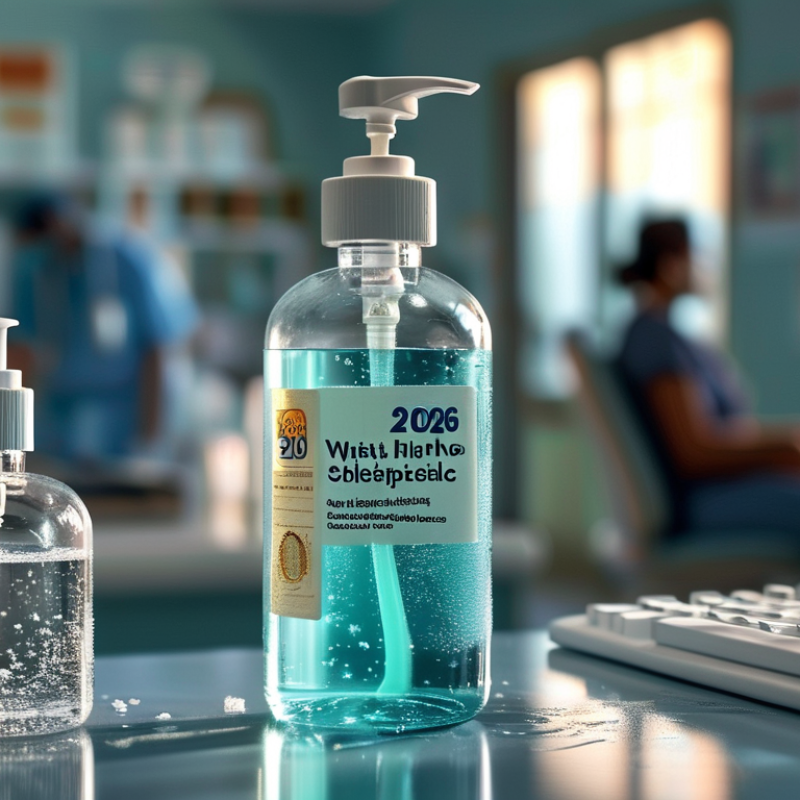
Clinic hand sanitizers are not interchangeable. Alcohol-based hand rubs usually contain 60–95% ethanol or isopropanol, matching CDC guidance for routine care when hands are not visibly dirty. Gels work well at reception desks and consultation rooms. Foams may spread faster across large hands. The format matters less than coverage, contact time, and staff technique. Shortcuts remain tempting.
Antiseptic liquid soap is better when hands contain blood, dust, body fluids, or other visible soil. Washing with water physically removes contamination that sanitizer cannot. Some formulations include persistent antiseptic ingredients, but their clinical value depends on concentration and use conditions. Surgical hand preparation requires a dedicated alcohol-based surgical rub or antimicrobial wash. Ordinary clinic sanitizer should not replace it.
The WHO Global Report on Infection Prevention and Control (2022) estimates that 7 in 100 hospitalized patients in high-income countries acquire at least one healthcare-associated infection. The estimate rises to 15 in 100 in low- and middle-income countries.
These figures make product selection more than a purchasing decision. A clinic should check the sanitizer’s alcohol percentage, dispenser placement, drying time, skin tolerance, and compatibility with gloves. Fragrance is not evidence of efficacy. My practical concern is often overlooked: a strong product may remain unused if it stings cracked skin or dries too slowly. Observe real staff behavior before changing the entire system.
Alcohol strength is the first screening point, not the final decision. The U.S. Centers for Disease Control and Prevention recommends at least 60% alcohol when soap and water are unavailable. WHO’s production guide specifies 80% ethanol or 75% isopropanol for its tested formulations. Higher alcohol content does not automatically mean better protection. A 70% product can work well, while poor coverage leaves fingertips, thumbs, and nail edges untreated.
I have seen busy staff apply too little product. The label cannot correct that habit.
Spectrum and contact time need equal attention. Alcohol-based rubs generally act quickly against many bacteria, enveloped viruses, and fungi. They are less reliable against bacterial spores and some non-enveloped viruses. WHO and CDC guidance therefore still supports soap and water when hands are visibly dirty.
For clinic purchasing, check independent testing against relevant standards, such as EN 1500 for hygienic handrubbing and EN 14476 for specified virucidal claims. Read the tested contact time carefully. A product validated at 30 seconds should not be judged after a rushed five-second rub.
That happens often. Keep dispensers beside examination rooms, and observe whether hands remain wet for the stated time. A practical audit may reveal the uncomfortable truth: the “best” formula fails when staff cannot use enough of it, or when the drying time feels inconvenient.
How to Choose the Right Hand Sanitizer for Clinics in 2026?
Skin safety should be assessed before purchasing by the carton. In ward audits, cracked knuckles often signal poor staff tolerance, not poor discipline. The CDC recommends alcohol-based sanitizer containing at least 60% alcohol. However, higher alcohol content alone does not guarantee comfort. Look for humectants, fragrance-free options, and documented dermatological testing. The WHO Guidelines on Hand Hygiene list 80% ethanol or 75% isopropanol in its reference formulations. These concentrations support antimicrobial performance when the formula is properly prepared.
Formulation quality also requires evidence beyond marketing language. Request batch records, ingredient specifications, stability data, and contamination-control procedures. A clear pump should deliver consistent volume without clogging. Small details matter. Staff should not need repeated pressing. The 2023 WHO and UNICEF JMP report found that 29% of healthcare facilities lacked basic hygiene services in 2022. Reliable placement and supply remain practical safety issues.
Staff tolerance deserves direct observation. Test the sanitizer during real shifts, including after glove removal and hand washing. Ask about burning, tightness, scent, and residue. A 2022 review in Contact Dermatitis reported that alcohol-based hand rubs are often less irritating than repeated soap washing, especially with moisturizers. Still, “often” is not universal. Some staff will react. My imperfect view is that clinics sometimes measure killing power carefully, but measure skin comfort too late. Trial feedback should influence procurement before full deployment.
For clinical use, prioritize a product with at least 60% alcohol by volume, clear quality documentation, and a formulation that staff can tolerate during frequent application. The chart compares the published active concentrations in the two World Health Organization-recommended handrub formulations. Glycerol is included as a humectant to help reduce dryness, while hydrogen peroxide supports product quality control rather than serving as the primary antiseptic.
How to Choose the Right Hand Sanitizer for Clinics in 2026?
In a clinic, packaging is part of infection control. Choose sealed containers with clear labels, batch details, expiry dates, and ingredient information. Staff should read the label without turning the bottle around. Check the safety data sheet before approval. Confirm the product meets current local healthcare and chemical safety standards. Requirements can change, so avoid relying on an old purchasing list. A sanitizer may look suitable but still lack the documents your facility needs.
Dispensers must fit the treatment area. Touch-free models can reduce hand contact, while manual pumps may work better during power interruptions. Test the dose with gloved and ungloved hands. A dripping nozzle creates sticky floors and wastes product. Wall units should be easy to refill, but sealed cartridges can reduce contamination risks. Storage also matters. Keep containers closed, away from heat, direct sunlight, ignition sources, and patient access. Small cupboards often become overcrowded, which is easy to overlook.
Tips: Place dispensers near entrances, examination rooms, and waste areas. Keep a small stock rotation log. Use older approved stock first. Inspect labels weekly. Do not mix products or refill containers without written approval. Ask staff to report skin irritation, blocked pumps, or missing labels. Their feedback is valuable. It may reveal a problem that an audit misses. Check compliance again whenever the formula, packaging, supplier, or local guidance changes.
How to Choose the Right Hand Sanitizer for Clinics in 2026?
Choosing hand sanitizer for a clinic begins with risk, not price. A dental treatment room may need fast, frequent disinfection between patients. A dermatology clinic may need a gentler formula for repeatedly irritated hands. For routine hand hygiene, alcohol-based products containing at least 60% alcohol are generally recommended by public health authorities. Check the product’s safety information, intended use, and testing evidence before purchasing.
Workflow matters in small details. Place dispensers beside examination chairs, at reception, and near clinical waste areas. Staff should reach them without leaving a patient. A pump that delivers too little product can reduce effectiveness. One that leaks creates slippery floors and wasted stock. I have seen busy teams bypass inconvenient dispensers. That failure was practical, not careless.
Calculate total cost, including refills, dispenser maintenance, skin-care products, training, and disposal. A lower purchase price may hide higher consumption or more staff complaints. Monitor monthly usage by department, then compare it with patient volume. Ask clinicians whether the product dries quickly and causes stinging. Their feedback can reveal problems that invoices cannot. Still, staff preference should not replace infection-control evidence. A simple scoring sheet helps, but it can miss workflow changes during outbreaks or renovations. Review the choice regularly with infection-prevention personnel and occupational health staff. Fresh data matters.
Use this comparison framework to match sanitizer specifications with patient risk, hand-hygiene frequency, staff acceptance, storage conditions, and total cost of ownership.
| Clinic Risk or Workflow | Recommended Alcohol Specification | Product Format | Recommended Placement | Skin and Staff-Use Requirements | Operational Controls | Cost Drivers | Priority |
|---|---|---|---|---|---|---|---|
|
General outpatient consultation Routine contact with patients, examination rooms, and shared equipment. |
Choose an alcohol-based hand rub with at least 60% alcohol when soap and water are not immediately available. | Ready-to-use liquid or gel in a wall-mounted dispenser; small pump bottle for mobile work. | At every examination-room entrance, beside the patient chair, and near shared diagnostic equipment. | Select a fast-drying product with a humectant or emollient system to support frequent use. Fragrance-free products may improve acceptance for sensitive users. | Keep dispensers visible, filled, labeled, and accessible without touching the pump with both hands. | Refill frequency, dispenser compatibility, leakage, and staff consumption per patient visit. | Standard |
|
Urgent care and high patient turnover Frequent hand hygiene between consecutive patients and high peak-hour demand. |
Use an alcohol-based formulation containing 60%–95% alcohol, subject to local regulatory approval and label directions. | High-capacity wall dispensers at points of care, supplemented by portable bottles for triage and mobile teams. | Triage desk, treatment bays, corridor junctions, discharge area, and staff entry points. | Prioritize rapid drying, low residue, and good skin tolerability. Avoid products that cause persistent tackiness or interfere with gloves. | Monitor dispenser uptime, refill stock, peak-hour usage, and missed opportunities through periodic observation audits. | Product volume per hand hygiene event, refill labor, dispenser maintenance, and stockout risk. | High |
|
Minor procedures and wound-care rooms Higher contamination risk and close contact with non-intact skin or medical supplies. |
Use an approved alcohol-based hand rub for routine hand antisepsis. Follow the product label and facility infection-prevention protocol. | Wall-mounted dispenser outside and inside the procedure room; sealed pump bottles where splash or contamination risk is elevated. | Before room entry, before aseptic tasks, after glove removal, and immediately outside the procedure area. | Use a product that dries completely before sterile glove application. Hand rub does not replace surgical hand antisepsis when a procedure requires it. | Define separate moments for routine hand hygiene, glove changes, aseptic preparation, and post-procedure cleanup. | Higher use volume, disposable dispenser components, audit requirements, and compatibility with sterile workflow. | High |
|
Dental and oral-care clinics Frequent glove use, saliva exposure, aerosol-generating procedures, and rapid room turnover. |
Select an alcohol-based hand rub meeting the facility’s approved efficacy and regulatory requirements; use soap and water when hands are visibly soiled. | Wall-mounted dispenser at each operatory plus compact bottles for setup and room turnover. | Outside each operatory, beside the instrument-processing area, and at the clinical hand-washing station. | Low-residue, fast-drying products are preferable. Ensure the formulation is compatible with gloves and does not leave excess film on instruments or surfaces. | Separate hand hygiene supplies from surface disinfectants. Do not use hand sanitizer as an instrument or environmental disinfectant. | High event frequency, room turnover, dispenser cleaning, and additional soap-and-water demand after visible contamination. | High |
|
Pediatric clinics Children may touch dispensers, rub eyes, or attempt ingestion; caregivers may require assistance. |
Use an approved alcohol-based hand rub with at least 60% alcohol; select packaging and placement based on child-safety controls. | Controlled wall dispenser or supervised pump bottle. Avoid unattended open containers in child-accessible areas. | Staff-only side of the reception desk, examination-room entrance, and caregiver hand-hygiene points under supervision. | Prefer fragrance-free, low-residue formulations. Provide soap and water where children can safely wash hands with supervision. | Store bulk stock securely. Train staff to supervise use and keep sanitizer away from eyes, mouth, heat, and ignition sources. | Safety dispensers, controlled access, spill response, staff supervision, and potentially higher wastage. | High |
|
Dermatology, allergy, and chronic-care clinics Patients and staff may have dermatitis, cracked skin, or repeated hand-hygiene exposure. |
Choose an effective alcohol-based hand rub with a well-tolerated emollient system; alcohol concentration must remain within the approved label range. | Pump dispenser with consistent dosing; provide a separate approved skin-care product where clinically appropriate. | Every point of care, staff workroom, and patient education area. | Prefer fragrance-free and dye-free options when available. Avoid replacing sanitizer with cosmetic moisturizers or unapproved mixtures. | Offer staff education on correct volume, complete coverage, drying time, and scheduled skin-care practices. | Emollient formulation, reduced absenteeism, staff acceptance, and possible need for separate moisturizer supplies. | High |
|
Clinics with visible soil or spore-forming pathogen concerns Hands may be visibly dirty, contaminated with body fluids, or exposed to organisms less reliably removed by alcohol. |
Do not rely on alcohol hand rub alone. Use soap and running water when hands are visibly soiled or when required by infection-control protocol. | Hands-free sink with liquid soap, disposable towels, and waste bin; retain sanitizer for appropriate moments when hands are clean. | At treatment rooms, reprocessing areas, and locations where body-fluid exposure may occur. | Provide gloves and protective equipment according to the task. Hand sanitizer is not a substitute for hand washing after specific contamination events. | Post clear decision signage and audit whether staff select soap and water when required. | Water, plumbing, soap, towels, waste disposal, cleaning labor, and infrastructure maintenance. | High |
|
Mobile vaccination, home-visit, and outreach services Limited access to sinks, variable environments, and transport constraints. |
Carry an approved alcohol-based hand rub with at least 60% alcohol for situations where hands are not visibly dirty. | Leak-resistant, clearly labeled pump bottles or sealed single-use sachets for controlled field distribution. | In the clinical kit, at the patient-care surface, and at the exit or waste-collection point. | Select a product that dries quickly and remains usable across expected temperature conditions. Keep hands dry before handling sharps or electrical equipment. | Transport in accordance with flammable-liquid rules. Keep away from heat, flames, direct sunlight, and unsecured vehicle storage. | Packaging, leakage, transport compliance, replacement of lost stock, and single-use waste. | High |
|
Low-volume specialty clinic Fewer patient contacts but possible long storage periods and low refill frequency. |
Use a standard approved alcohol-based hand rub meeting the minimum local efficacy and alcohol-content requirements. | Moderate-capacity dispenser with a small backup bottle; avoid oversized containers that remain open for extended periods. | Reception, examination rooms, staff workstations, and near shared devices. | Choose a stable, easy-to-dispense formulation with clear expiry and batch information. | Apply first-expire, first-out stock rotation. Inspect dispenser function and product condition during routine safety checks. | Expired stock, low utilization, dispenser replacement, and minimum-order quantities. | Standard |
|
Facilities with strict fire-safety limitations Small rooms, oxygen use, heat sources, or limited secure storage. |
Use only approved alcohol-based products permitted by local fire and occupational-safety requirements. | Secure, wall-mounted dispensers with controlled quantities; avoid unnecessary bulk storage at the point of care. | Place away from ignition sources, electrical heat, oxygen equipment, and emergency egress routes. | Provide staff training on flammability, spill response, drying before contact with ignition sources, and safe storage. | Maintain safety data sheets, inventory limits, signage, and documented fire-risk assessments. | Fire-rated storage, compliance inspections, spill kits, training, and reduced storage flexibility. | High |
| Selection checkpoints: Use an alcohol-based hand rub containing at least 60% alcohol when hands are not visibly dirty and soap and running water are not readily available. Rub all hand surfaces until dry, normally taking about 20 seconds when an adequate volume is used. Alcohol hand rub does not replace hand washing when hands are visibly soiled or when the clinic’s infection-control protocol specifically requires soap and water. Confirm efficacy claims, alcohol concentration, expiry date, labeling, storage conditions, dispenser compatibility, and local regulatory approval before purchase. | |||||||
| Total cost of ownership formula: Product purchase cost + dispenser cost + refill labor + storage and transport + compliance and training costs + wastage from leakage or expiry. The lowest unit price may not be the lowest total cost if the formulation causes poor staff acceptance, excessive dosing, skin problems, or frequent dispenser maintenance. | |||||||
: Alcohol-based hand rubs usually contain 60–95% ethanol or isopropanol. They suit routine care when hands look clean. Coverage matters more than gel or foam format.
Wash hands when they contain blood, dust, body fluids, or visible soil. Water physically removes contamination that sanitizer may leave behind. Sanitizer is not a complete substitute.
No. Higher alcohol content does not guarantee stronger protection. A properly used 70% formula may perform well. Fingertips, thumbs, and nail edges are often missed.
Follow the product’s tested contact time. A formula tested for 30 seconds should not receive five seconds. Hands should remain wet during the stated time.
Place dispensers beside examination rooms, reception desks, and consultation areas. Staff should reach them without leaving the patient area. Observe actual use. Placement may look sensible but still fail.
Request ingredient specifications, batch records, stability data, and contamination-control procedures. Check independent testing for hygiene and virus-related claims. Marketing language alone proves little.
Choose fragrance-free options with moisturizers and documented skin testing. Test the product during real shifts, after glove removal and hand washing. Ask about burning, tightness, scent, and residue.
No. Surgical preparation requires a dedicated surgical rub or antimicrobial wash. Routine clinic sanitizer should not replace that process. The distinction matters.
No. Fragrance does not prove antimicrobial effectiveness. A strong scent may even discourage regular use. Comfort matters, but it cannot replace performance evidence.
Choosing the right hand sanitizer for clinics in 2026 requires more than selecting a product with a high alcohol percentage. The first step is to understand the different types of sanitizers and their intended uses, then compare alcohol strength, antimicrobial spectrum, and required contact time. A suitable formulation should provide effective coverage while minimizing dryness, irritation, and allergic reactions during frequent use. Skin-friendly ingredients, consistent quality, and good staff tolerance can improve compliance and support daily infection-control routines.
To determine how to choose the right hand sanitizers for clinics, consider the facility’s risks, patient flow, work areas, and cleaning procedures. Packaging and dispensers should be easy to operate, clearly labeled, durable, and compatible with the clinic’s storage conditions. Products should also meet relevant quality and safety standards and remain stable throughout their shelf life. Finally, evaluate total cost rather than purchase price alone, including refill needs, maintenance, waste, staff acceptance, and the practical value of reliable protection within the clinic’s workflow.

Seaoriva Medical