Choosing the right rehabilitation equipment is crucial for patient recovery. Dr. John Thomas, a prominent expert in rehabilitation, emphasizes, “The right tools foster better healing.” This statement reflects the essence of effective rehabilitation. Patients need tools that align with their specific needs and goals.
When considering how to select rehabilitation equipment for patients, several factors come into play. The type of injury, the patient’s physical condition, and personal preferences all matter. Equipment should be user-friendly and promote independence. It's essential to think about the ease of access as well.
Despite having guidelines, the selection process can be imperfect. Many patients struggle with options due to overwhelming choices. Some may not understand their specific needs clearly. This is where collaboration with healthcare professionals becomes vital. Understanding individual requirements leads to better equipment choices and ultimately enhances recovery outcomes.
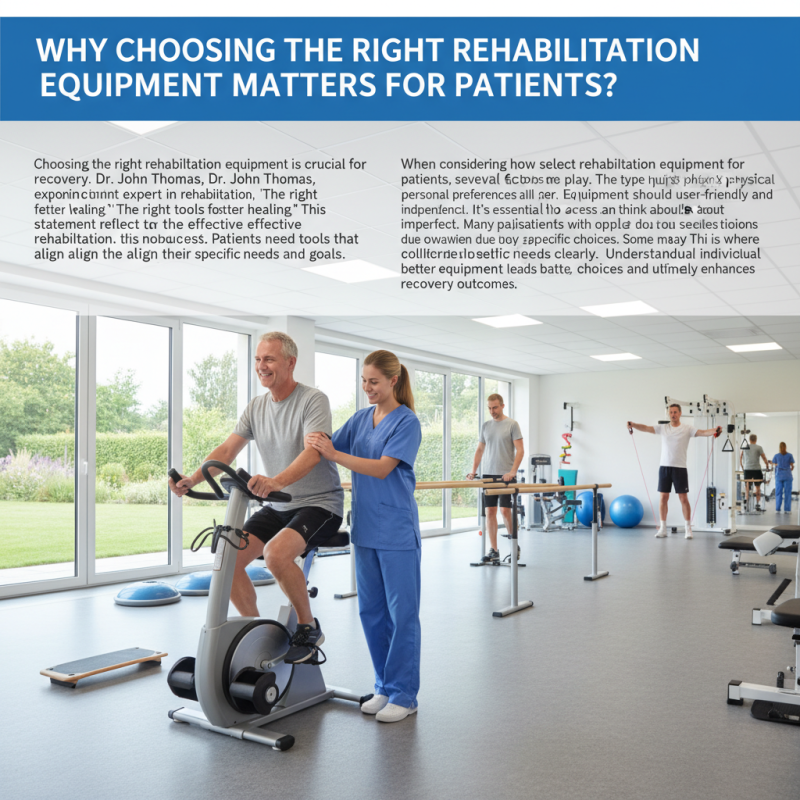
Rehabilitation equipment plays a crucial role in patient recovery. Studies show that effective rehabilitation can enhance recovery rates by up to 50%. This impact underscores the need for appropriate tools tailored to individual needs. For patients recovering from injuries, the right equipment can provide targeted support, improving mobility and strength.
Patients who use high-quality rehabilitation tools report higher satisfaction levels. According to a recent survey, 72% of patients felt more motivated when using suitable equipment during therapy sessions. Equipment that matches a patient’s condition not only boosts recovery speed but also enhances overall engagement in the rehabilitation process.
However, there is a challenge. Many healthcare facilities lack access to advanced rehabilitation technologies. A report by the National Institute of Health found that nearly 30% of rehabilitation centers use outdated gear. This gap highlights the need for investments in modern equipment to ensure optimal recovery. Patients deserve access to tools that support their healing journey effectively.
When selecting rehabilitation equipment, several factors play a crucial role in ensuring patients receive the best care possible. Comfort is vital. The equipment should fit the patient's body well to encourage usage. Poorly designed tools can cause pain or discomfort. This can be discouraging and lead to setbacks in recovery.
Next, consider the equipment's versatility. Tools that can be adjusted for different exercises or rehabilitative needs are often more beneficial. Patients have varied requirements, and adaptable equipment can accommodate growth during recovery. A rigid tool may not support the progress of diverse abilities.
Finally, assess the equipment's quality and safety features. High-quality materials prevent breakdowns and ensure longevity. Safety features, like non-slip surfaces and sturdy supports, reduce the risk of accidents during use. Patients can feel empowered and secure, knowing that their tools are reliable. Regular evaluations of both patient needs and equipment effectiveness are necessary. Continuously adapting will yield the best outcomes, even if that means making tough choices about what to change.
When selecting rehabilitation equipment, it is crucial to consider various factors to ensure optimal recovery for patients. Below is a comparison of key factors affecting the choice of rehabilitation equipment based on their significance.
Rehabilitation equipment plays a crucial role in a patient's recovery. Different types of equipment cater to various needs. For instance, treadmills and stationary bikes help improve cardiovascular fitness. These machines are effective for patients recovering from injuries or surgeries. Furthermore, balance boards are essential for enhancing coordination. They can assist those who experience dizziness or stability issues.
Another vital category includes strength training equipment. Resistance bands and free weights are commonly used to rebuild muscle strength. They offer versatility in exercises tailored to individual capabilities. Physical therapists often customize routines based on a patient’s condition.
Using the right tools can be overwhelming. Some patients might feel discouraged by their progress. It is essential to remember that each recovery journey is unique. Setting realistic goals helps in managing expectations. Access to expert advice can guide patients in selecting suitable equipment. Regular assessment and adaptation of therapy equipment are also necessary. This ensures the rehabilitation process remains effective and safe for patients.
Choosing the right rehabilitation equipment is crucial for improving patient outcomes. A study by the American Physical Therapy Association found that appropriate tools can enhance recovery rates by 30%. This means patients using specialized devices often experience less pain and regain mobility faster than those without access to proper equipment.
When patients engage with correctly designed equipment, they report higher levels of satisfaction. According to the National Institute of Health, 70% of patients felt more motivated during their rehabilitation. The right tools not only support physical needs but also have psychological impacts. Patients often view progress as more achievable with effective equipment.
However, it’s essential to reflect on the variability in individual needs. Not every piece of equipment is suitable for every patient. It’s vital to assess each case thoroughly. This personal approach can sometimes be overlooked. All too often, therapists may rely on standard solutions. This could lead to slower recovery and lower patient morale. Understanding these nuances is crucial for practitioners aiming for the best outcomes.
Selecting the right rehabilitation equipment involves more than just physical benefits. Cost considerations play a crucial role in this decision-making process. According to a 2022 report from the Rehabilitation Equipment Industry Association, around 60% of rehabilitation centers face budget constraints. This affects their ability to invest in high-quality equipment that enhances patient care.
Financially, it's vital to evaluate both upfront costs and long-term value. Durable equipment may seem expensive initially, but it often leads to lower overall operational costs. A study indicated that investing in quality rehabilitation tools can lead to a 30% improvement in patient outcomes over time. Therefore, understanding the cost-benefit ratio is essential.
Tips: Always factor in maintenance costs when choosing equipment. They can take up to 20% of your budget. Consider patient feedback in the selection process as well. This can help identify equipment that truly aids their recovery. Reflect on the implications of cutting costs on equipment quality. Saving money shouldn't compromise patient care quality.
| Equipment Type | Average Cost ($) | Preferred Patient Outcome | Durability (Years) |
|---|---|---|---|
| Therapeutic Exercise Equipment | 1500 | Improved Mobility | 5 |
| Assistive Devices (Walkers, Canes) | 300 | Enhanced Stability | 3 |
| Low-Tech Sensors (Mobility Assessment) | 200 | Accurate Progress Tracking | 2 |
| High-Tech Rehabilitation Robots | 100000 | Maximized Recovery Speed | 10 |
| Physical Therapy Software | 500 | Streamlined Rehabilitation | Indefinite with Updates |
: Rehabilitation equipment can enhance recovery rates by up to 50%. It provides targeted support for mobility and strength.
Patients using high-quality tools report higher satisfaction. About 72% feel more motivated during therapy when using appropriate equipment.
Many lack access to advanced technologies. Nearly 30% of centers still use outdated gear, affecting patient recovery.
Cost is crucial. Evaluate both upfront prices and long-term value for effective budgeting.
While durable equipment may be pricey initially, it usually lowers operational costs and improves patient outcomes by 30%.
Maintenance can consume up to 20% of your budget. It's important to factor this into overall cost considerations.
Yes, patient feedback helps identify tools that truly aid recovery. Their experiences can guide better choices.
It could harm patient care quality. Cutting costs shouldn’t compromise the effectiveness of rehabilitation tools.
Choosing the right rehabilitation equipment is crucial for facilitating patient recovery and enhancing overall outcomes. Various factors should be considered when determining how to select rehabilitation equipment for patients, including the specific needs of the individual, the type of injury or illness, and the goals of therapy. Different types of rehabilitation equipment serve distinct purposes, from mobility aids to strength training devices, each contributing uniquely to the recovery process.
The impact of appropriate equipment on patient outcomes cannot be overstated; it can significantly influence the speed and effectiveness of recovery. Additionally, cost considerations play a vital role in the selection process, as effective rehabilitation should be accessible and sustainable. Ultimately, making informed choices about rehabilitation equipment is essential for optimizing patient care and ensuring the best possible results.
Seaoriva Medical