In the journey of recovery, mobility aids play a pivotal role. Statistics reveal that approximately 28 million adults in the U.S. experience falls each year. Many of these individuals rely on devices like crutches and walkers. This reliance highlights how crutches and walkers support rehabilitation, fostering independence while ensuring safety.
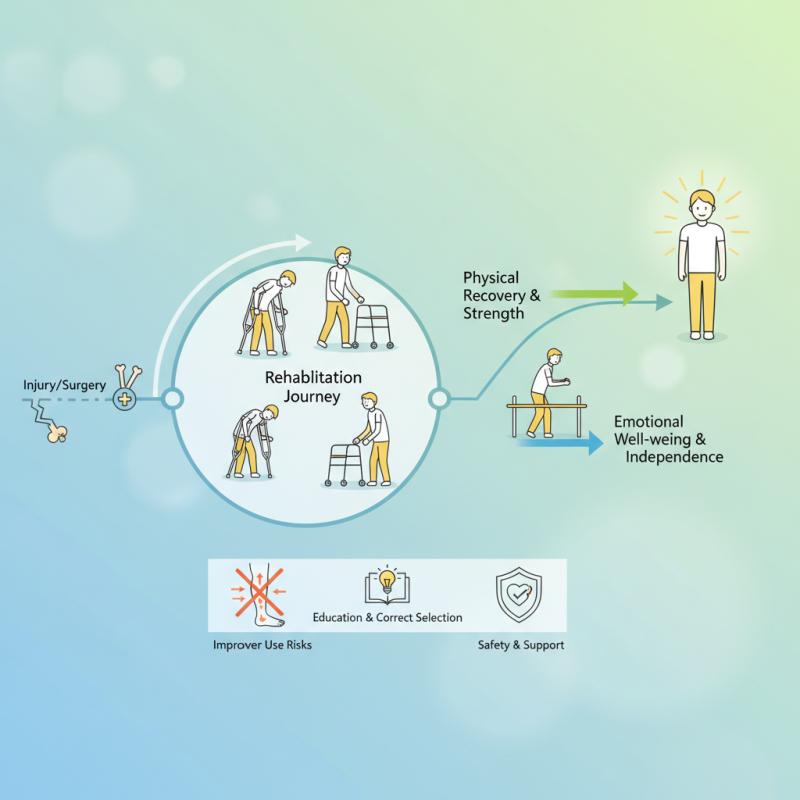
Crutches and walkers provide critical support during the rehabilitation process. They help patients regain strength and balance after injuries or surgeries. Studies have shown that patients who use these devices are more likely to adhere to their rehabilitation programs. However, it’s essential to select the right aid. Improper use can lead to further issues, such as pressure sores or muscle strain. This reflects a need for education on their correct use.
Rehabilitation is a multifaceted journey. It is not just about physical recovery but also emotional well-being. Many patients feel frustrated as they adjust to using these aids. They may perceive them as symbols of limitation rather than tools for empowerment. An informed approach can shift this perspective, highlighting how crutches and walkers support rehabilitation effectively.
Understanding Crutches and Walkers in Rehabilitation
Crutches and walkers play a vital role in the rehabilitation process, supporting individuals as they regain mobility. These devices provide the necessary balance and stability during recovery. Proper use can significantly reduce the risk of falls, especially after surgery or injury. Understanding how to utilize them effectively is crucial for anyone in rehabilitation.
When using crutches, posture is essential. Leaning too much on the crutches can lead to shoulder strain. Users must learn to distribute weight evenly. Walkers, on the other hand, offer a more stable base. However, some may feel uncertain or hesitant to step forward. This emotional barrier can slow down progress. Encouragement from a therapist or caregiver can be beneficial.
While crutches and walkers are invaluable, they can also present challenges. It’s not uncommon for individuals to feel frustrated. The learning curve can be steep. Each person's experience is unique. It’s essential to reflect on the journey and recognize small victories along the way. Building confidence takes time, and being patient with oneself is part of the healing process.
Impact of Crutches and Walkers on Rehabilitation Process
Types of Crutches and Walkers Available for Patients
Crutches and walkers play a crucial role in the rehabilitation process. They not only provide stability but also assist in weight bearing. Various types of crutches and walkers cater to different patient needs. For instance, underarm crutches offer full arm support, while forearm crutches allow for better mobility. A study found that approximately 30% of patients benefit more from forearm crutches for long-term use due to decreased discomfort.
Walkers come in multiple forms. Standard walkers provide maximum support, while wheeled walkers allow for smoother movement. Researchers have indicated that about 60% of patients prefer wheeled options, as they require less upper body strength. However, proper use of these assistive devices can be challenging. Many individuals report difficulty in adjusting to the correct height and grip, leading to potential mishaps.
Proper fitting and technique are essential for effective use. Studies highlight that nearly 40% of patients experience frustrations due to improper sizing or unfamiliarity with their devices. Rehabilitation professionals emphasize the importance of guidance during initial use of crutches and walkers. This step ensures safety and enhances recovery outcomes.
Mechanics of Using Crutches and Walkers Effectively
Using crutches and walkers can significantly aid in the rehabilitation process. Understanding how to use them effectively is crucial. Proper mechanics can enhance stability and reduce the risk of falls. It can also improve your confidence as you navigate your recovery.
When using crutches, keep them close to your body. Elbows should be at a slight angle. This position helps distribute your weight correctly. Step forward with your injured leg first, followed by the uninjured leg. This motion can feel awkward initially. It requires practice. Pay attention to any discomfort in your arms or wrists. Adjust the height of your crutches if necessary.
For walkers, ensure the device is at the right height for your body. Grip the walker firmly with both hands. Step inside the walker frame, keeping your feet within the boundaries. Rely on your legs for movement, not your arms. Sometimes users hesitate to let go of the walker. This fear can slow down progress. Regular practice is essential to build trust in your mobility.
Tips: Always wear supportive shoes during your rehab. This can provide better traction and comfort. Consider working with a physical therapist to refine your technique. Lastly, don’t rush the process. Recovery takes time, and each step is a victory.
Benefits of Crutches and Walkers in Recovery and Mobility
Crutches and walkers play a vital role in rehabilitation for individuals recovering from injuries or surgeries. They provide essential support, enabling users to regain mobility and independence. Research from the American Physical Therapy Association highlights that about 40% of post-operative patients benefit significantly from using walking aids during recovery.
Benefits of these aids are substantial. Crutches help distribute weight away from injured limbs, reducing pain and promoting healing. Walkers, on the other hand, offer greater stability for those who may struggle with balance. Studies reveal that 75% of users reported feeling more confident when using walkers. This newfound stability encourages them to engage in physical activities sooner, aiding in overall recovery.
Tip: Always ensure that the walking aid is adjusted to your height. Incorrect sizing can lead to additional strain or injury.
Incorporating crutches into daily routines can be challenging. Users often experience fatigue or discomfort. Listening to your body and taking breaks is crucial. Engaging with physical therapists offers tailored strategies, ensuring optimal use of these aids.
Tip: Practice different walking surfaces to build confidence and adaptability. Transitioning from flat ground to uneven terrain can enhance your recovery journey.
Challenges and Best Practices in Utilizing Mobility Aids
Mobility aids, such as crutches and walkers, play a crucial role in rehabilitation. They provide support, helping individuals regain confidence after injury or surgery. However, using these aids effectively can pose challenges. Each user has unique needs and circumstances. Understanding these specifics is vital for successful rehabilitation.
One challenge lies in the adjustment process. Some may struggle with balance when using crutches or walkers. Others may experience discomfort, leading to frustration. It’s important to focus on correct positioning and posture. Regular practice helps users adapt while minimizing strain. Professional guidance can aid in developing a personalized approach, enhancing the overall experience.
In addition, mental barriers can complicate usage. Users might feel embarrassed when using mobility aids in public. This stigma can hinder progress. Encouraging an open discussion about these feelings fosters a supportive environment. Sharing experiences with others in similar situations can also promote resilience. By addressing these challenges, individuals can maximize the benefits of mobility aids, improving their rehabilitation journey.
FAQS
: Keep crutches close to your body. Elbows should be slightly bent for better weight distribution.
Step forward with your injured leg first, then follow with your uninjured leg. This may feel odd at first.
Adjust the walker to your height. It should feel comfortable and stable when you grip it firmly.
Fear of falling can hinder mobility. This hesitation can slow down your progress during recovery.
Always wear supportive shoes. They provide better traction and comfort while using walking aids.
They can provide tailored advice and techniques to optimize your use of crutches and walkers.
Listen to your body. Take breaks if you experience pain or strain in your arms or wrists.
Regular practice is essential. Try different surfaces to improve your balance and adaptability.
Proper adjustment is crucial. Incorrect sizing can lead to additional strain or potential injury.
Don’t rush the process. Recovery takes time, and each small step is a significant achievement.
Conclusion
Crutches and walkers play a crucial role in the rehabilitation process, aiding patients in regaining mobility and independence after injury or surgery. Understanding the various types of crutches and walkers available helps cater to individual patient needs. Effective mechanics are essential for using these mobility aids, ensuring that patients maintain proper posture and balance while moving.
The benefits of crutches and walkers in recovery are considerable, as they provide support, reduce strain on injured limbs, and promote mobility. However, challenges may arise, including physical limitations and the need for proper training in their use. By addressing these challenges and implementing best practices, healthcare providers can enhance patient outcomes. Ultimately, understanding how crutches and walkers support rehabilitation is vital for promoting a successful recovery journey.

 Seaoriva Medical