The safe use of disposable syringes and needles is critical for preventing health risks. According to the World Health Organization, unsafe injection practices are responsible for 33 million cases of hepatitis B, 16 million cases of hepatitis C, and 1.7 million cases of HIV annually. These alarming figures underscore the need for effective guidance on how to safely use disposable syringes and needles.
With the increasing prevalence of diabetes and other chronic conditions, the demand for disposable syringes is on the rise. The Centers for Disease Control and Prevention emphasizes the importance of using sterile, single-use devices to minimize the risk of infection and needle-stick injuries. Yet, many individuals remain unaware of best practices related to syringe disposal and needle handling. This lack of knowledge can lead to critical errors.
Understanding how to safely use disposable syringes and needles goes beyond technique. It requires an awareness of local regulations and the potential for contamination. Continuous education and adherence to recommended guidelines can significantly reduce the risks involved. Each step, from preparation to disposal, must be treated with diligence and care. Reflecting on our practices can lead to safer outcomes for everyone.
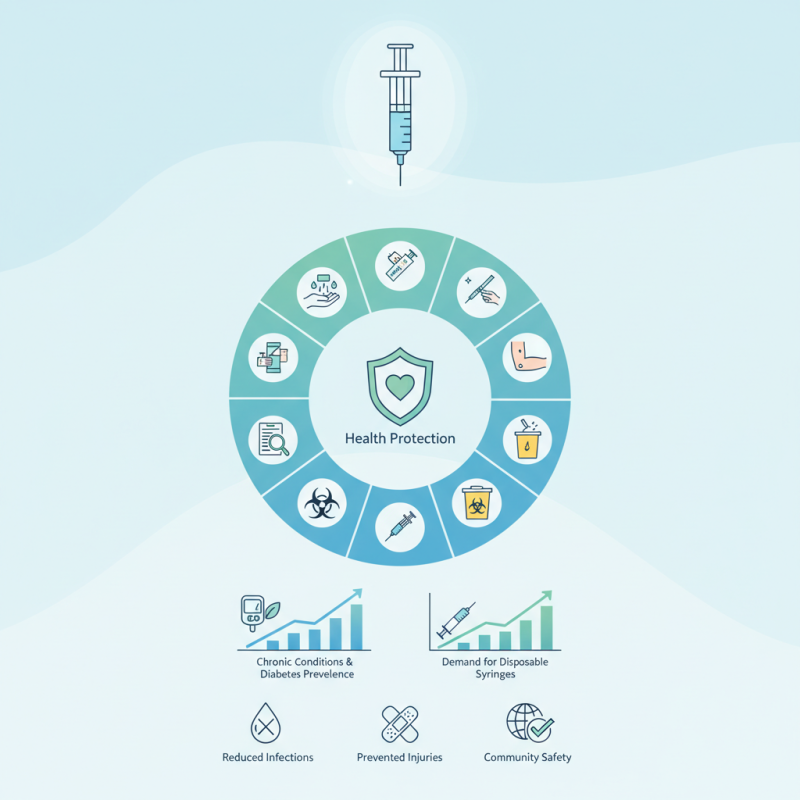
Proper disposal of disposable syringes and needles is crucial to prevent needle stick injuries. The Centers for Disease Control and Prevention (CDC) reports that about 385,000 needle stick injuries occur annually among healthcare workers in the U.S. This statistic highlights the pressing need for awareness and education regarding safe disposal methods. Without proper precautions, discarded needles pose a significant risk to sanitation workers and the general public.
According to the World Health Organization (WHO), safe needle disposal is vital to minimize health risks. Many individuals lack knowledge about correct disposal techniques. The use of sharps containers can reduce accidents by providing a safe way to store used needles. It is important to ensure these containers are puncture-proof and clearly labeled. Yet, some people may still throw needles in regular trash, creating hazards.
In homes and clinics, it is essential to lead by example. Train staff and family members on proper waste disposal. Regularly check that disposal equipment is accessible and functional. While policies exist, human error remains a factor. A recent survey showed that only 54% of healthcare workers use sharps containers consistently. Addressing this inconsistency is key to improving safety. Each choice impacts health and safety, requiring ongoing reflection and commitment.
| Tip No. | Tip Description | Importance |
|---|---|---|
| 1 | Always use a new, sterile syringe and needle for each injection. | Prevents transmission of infections. |
| 2 | Never reuse or share syringes or needles. | Reduces risk of needle-stick injuries and infections. |
| 3 | Dispose of syringes and needles in a designated sharps container. | Prevents injury to others and ensures safe disposal. |
| 4 | Keep sharps container out of reach of children and pets. | Ensures safety at home and prevents accidents. |
| 5 | Do not overfill the sharps container. | Avoids accidental needle-stick injuries during disposal. |
| 6 | Follow local regulations for disposing of sharps containers. | Ensures compliance with health and safety standards. |
| 7 | Wear gloves when handling syringes and needles. | Protects against exposure to bloodborne pathogens. |
| 8 | Use a needle safety device if available. | Minimizes the risk of accidental needle sticks. |
| 9 | Do not recap needles after use. | Reduces the risk of accidental injury. |
| 10 | Seek medical attention immediately if a needle stick injury occurs. | Ensures prompt treatment and reduces infection risk. |
: Proper disposal prevents needle stick injuries, which affect thousands annually. Unsafe disposal poses risks to sanitation workers and the public.
Use puncture-proof sharps containers that are clearly labeled. This significantly reduces the risk of accidents and infections.
A survey revealed only 54% of healthcare workers consistently use sharps containers. This inconsistency raises concerns for safety.
Always check for damage like cracks or dents. Flaws can lead to contamination and serious infections if unnoticed.
Store syringes in a dry, cool place. High humidity can promote microbial growth, increasing infection risks.
A broken seal puts sterility at risk. Always use syringes from sealed packaging to ensure they remain uncontaminated.
No, never reuse syringes. Even if they seem clean, reuse can lead to serious health risks.
Engage in ongoing education and training programs. Regularly reflect on practices and seek feedback to enhance safety.
Regulations help minimize infection risks. Awareness of local laws improves safety standards in healthcare settings.
Regular checks prevent unforeseen exposure and help maintain safety standards. Simple measures can often be overlooked but are vital.
The article "10 Essential Tips for Safe Use of Disposable Syringes and Needles" emphasizes the critical importance of proper disposal methods to prevent needle stick injuries, which pose significant health risks. Understanding the statistics surrounding syringe and needle misuse highlights the necessity of implementing best practices for safe handling. Key recommendations include adhering to guidelines that ensure sterility to prevent contamination during use. Additionally, awareness of the legal and regulatory framework surrounding safe injection practices is crucial for practitioners and users alike.
To highlight how to safely use disposable syringes and needles, individuals should focus on appropriate handling techniques, including using safety features where available and ensuring syringes are disposed of in designated sharps containers. By integrating these essential tips into daily practices, both health professionals and users can minimize risks associated with syringe and needle use, ultimately promoting a safer environment for all.

 Seaoriva Medical