In today's healthcare environment, the importance of face masks cannot be overstated. They are crucial tools that help in minimizing the spread of infectious diseases. Understanding how face masks protect patients and staff is essential for promoting safety in medical settings. These masks serve as a barrier, preventing respiratory droplets from transmitting pathogens.
Healthcare professionals are often in close contact with patients. In such scenarios, the risk of spreading infectious agents is high. Face masks offer a protective layer, reducing this risk significantly. They filter out harmful particles and reduce exposure to viruses. This protection is vital not only for healthcare workers but also for the patients they care for.
Despite their benefits, there are still challenges that need addressing. For instance, proper mask usage is critical. Masks must fit well to be effective, and incorrect usage can lead to contamination. Additionally, the reliance on masks should not overshadow other infection control practices. A holistic approach remains essential in safeguarding health. Understanding the science behind mask efficacy can lead to better practices and improved patient care.
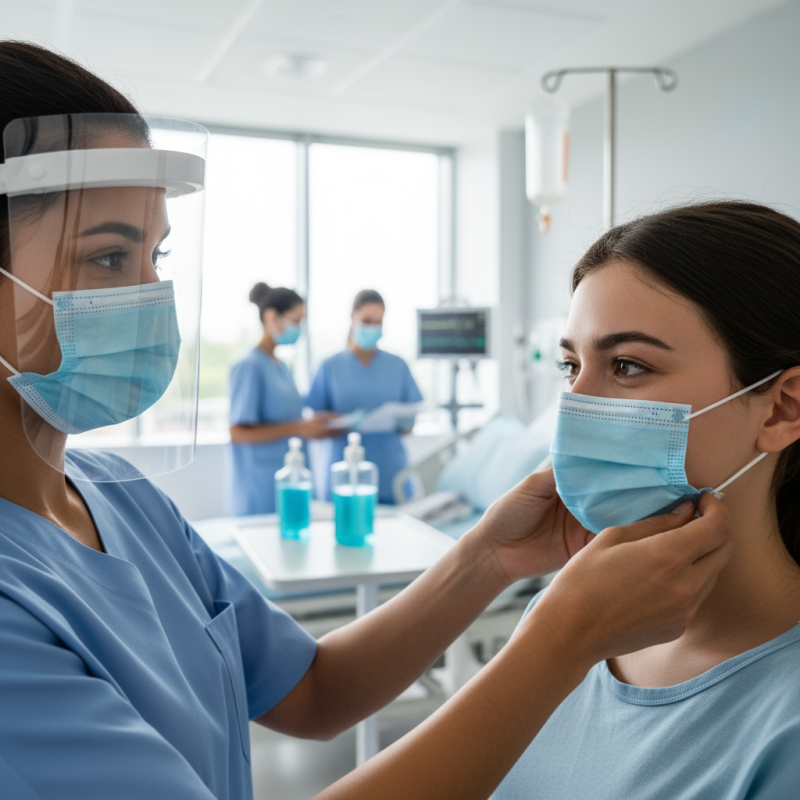
The Role of Face Masks in Infection Control within Healthcare Settings
Face masks play a crucial role in infection control within healthcare settings. They act as a barrier against respiratory droplets, which can carry various pathogens. This is particularly important as many viruses spread through the air. For healthcare staff, wearing masks minimizes their risk of exposure to infectious agents.
Additionally, face masks protect patients, especially those with compromised immune systems. A mask on a visitor or medical personnel reduces the likelihood of introducing infections. It creates a safer environment for vulnerable individuals. It's a simple yet effective measure that can significantly lower infection rates.
While masks are essential, they are not foolproof. Improper use can lead to contamination, which is an area to reflect upon. Healthcare teams must ensure masks fit correctly and are changed regularly. Peer training can help staff understand the importance of mask usage and placement. Enhanced adherence to guidelines ultimately supports the health of both patients and providers.
Types of Face Masks Used in Medical Environments and Their Effectiveness
Face masks play a crucial role in safeguarding both patients and healthcare staff in medical environments. Various types of face masks are available, each designed for specific purposes and effectiveness levels. Surgical masks are commonly used to protect against respiratory droplets. They act as a barrier against large particles and, while effective, do not fit tightly against the face. This can allow smaller particles to enter.
N95 respirators offer a higher level of protection. They filter out at least 95% of airborne particles. However, proper fitting is essential for maximum effectiveness. Healthcare staff often find these masks more comfortable for extended wear. Despite their effectiveness, there are challenges. Some individuals may experience discomfort or difficulty breathing. This highlights the need for ongoing evaluation and improvement of mask designs.
Additionally, cloth masks have become popular. They are easy to produce and can offer a degree of protection. Nevertheless, their effectiveness varies significantly based on fabric type and layering. Guidance on cloth mask use has evolved, reflecting emerging research. This situation emphasizes the importance of understanding mask capabilities. Healthcare professionals must remain informed about the best practices for mask usage to ensure safety.
Mechanisms by Which Face Masks Protect Patients and Healthcare Workers
Face masks play a crucial role in healthcare settings. They provide a physical barrier against respiratory droplets, which are a primary transmission route for viruses. According to a study by the
Centers for Disease Control and Prevention (CDC), consistent mask use can reduce virus spread by over 70%. This statistic underscores the importance of masks in protecting both patients and healthcare workers.
Moreover, masks limit the inhalation of airborne particles. In a hospital, the risk of exposure to infectious agents is high. A review in the Journal of Hospital Infection found that wearing masks significantly decreased infection rates among healthcare staff. Though masks are effective, they are not foolproof. Compliance is essential; improper use can lead to gaps in protection.
It’s also vital to recognize the psychological aspect of wearing masks. They may instill a sense of safety among patients, promoting a healing environment. However, masks can hinder communication and create barriers in patient interactions. Healthcare professionals should address these challenges to ensure clear communication while maintaining safety protocols.
Guidelines for Proper Face Mask Usage in Clinical Practice
In clinical settings, proper face mask usage is crucial for safety. Masks serve as a barrier against respiratory droplets, which can carry viruses and bacteria. Healthcare staff must wear masks consistently, especially during patient interactions. This simple act can prevent the spread of infections in busy environments like hospitals.
Guidelines exist to ensure effectiveness. Masks should fit snugly over the nose and mouth without gaps. They must be changed regularly, particularly if wet or soiled. Staff should wash hands before putting on and after removing masks. Remember, it’s not sufficient to wear them alone; proper handling is equally vital. Recirculating air in poorly ventilated rooms can create challenges, making mask adherence even more critical.
Patients should also wear masks when possible. This protects both themselves and others. Educating patients on mask usage can improve compliance. Despite these measures, challenges persist. Some individuals may find masks uncomfortable, impacting their willingness to wear them. Addressing these concerns through compassionate communication can foster a safer environment for everyone involved.
Impact of Face Masks on Reducing Transmission of Respiratory Diseases
Face masks play a crucial role in reducing the transmission of respiratory diseases. Wearing a mask creates a barrier that helps prevent droplets from spreading. These droplets can contain viruses and bacteria, especially during sneezing or coughing. The effectiveness of face masks lies in their ability to catch these particles, protecting both the wearer and those nearby.
Healthcare settings are particularly sensitive to the transmission of infectious diseases. Masks not only protect patients but also safeguard healthcare staff who are exposed to higher viral loads. Infection rates among healthcare workers can drop significantly when proper mask usage is practiced. However, it’s worth noting that masks must fit well and be used correctly for maximum effectiveness.
Despite their benefits, adherence to mask-wearing may wane over time. Some individuals struggle with discomfort or find masks burdensome. Education about the importance of consistent mask use is essential for maintaining public health. This ongoing dialogue can help address concerns and improve compliance in the long run.
FAQS
: Surgical masks, N95 respirators, and cloth masks are common. Each serves a specific purpose and effectiveness level.
Surgical masks protect against respiratory droplets but may not fit tightly. Smaller particles can still enter.
N95 respirators filter at least 95% of airborne particles. Proper fitting is essential for their effectiveness.
Cloth masks can provide some protection but their effectiveness varies widely based on material and layers used.
Masks create a barrier against respiratory droplets, reducing exposure to viruses and lowering infection rates among staff.
Masks can promote a sense of safety for patients. However, they may hinder communication between patients and healthcare professionals.
Improper use can create gaps in protection. It's critical to wear masks correctly for maximum effectiveness.
Ongoing education about mask importance is essential. Calm discussions can help address discomfort or concerns people may have.
No, masks are not foolproof. They are effective only when used properly alongside other protective measures.
Issues like discomfort or difficulty breathing can arise. Continuous improvement on mask design is necessary for better compliance.
Conclusion
Face masks play a crucial role in infection control within healthcare settings, effectively safeguarding both patients and healthcare staff. By creating a barrier that prevents the transmission of respiratory droplets, face masks minimize the risk of spreading infections. Various types of masks, such as surgical masks and N95 respirators, each offer different levels of protection and are chosen based on the clinical environment and risks involved.
Understanding how face masks protect patients and staff is essential for adherence to safety guidelines, which outline the proper usage and disposal of masks in clinical practice. This includes ensuring masks fit correctly and are used consistently. Ultimately, the widespread use of face masks has a significant impact on reducing the transmission of respiratory diseases, demonstrating their importance as a simple yet effective tool in promoting health safety in healthcare environments.

 Seaoriva Medical