How medical dressing and bandages prevent infections begins with a simple idea: a wound needs protection, not neglect. A clean, properly selected dressing forms a barrier against dirt and microbes. It also absorbs drainage, helps maintain a suitable healing environment, and can reduce repeated contact with the wound. Small details matter. A lifted corner, damp gauze, or unwashed hands can undermine careful wound care.
The risk is not theoretical. The U.S. Centers for Disease Control and Prevention reported that, on any given day, about one in 31 hospital patients has at least one healthcare-associated infection. That figure covers many infection types; it is not a dressing-specific rate. The World Health Organization also identifies surgical-site infections as a major concern and recommends evidence-based prevention practices. Dressings support those practices, but they do not replace hand hygiene, wound assessment, or timely clinical care. A bandage is not a guarantee.
WHO Director-General Dr. Tedros Adhanom Ghebreyesus has stated, “No one should be harmed in health care.” That principle applies to the small decisions made at a bedside, too. In the tips ahead, we will look at choosing suitable materials, changing dressings safely, and noticing warning signs such as spreading redness or unusual drainage. The right method depends on the wound and the person. That part can be easy to overlook. And evidence does not make every dressing choice obvious.
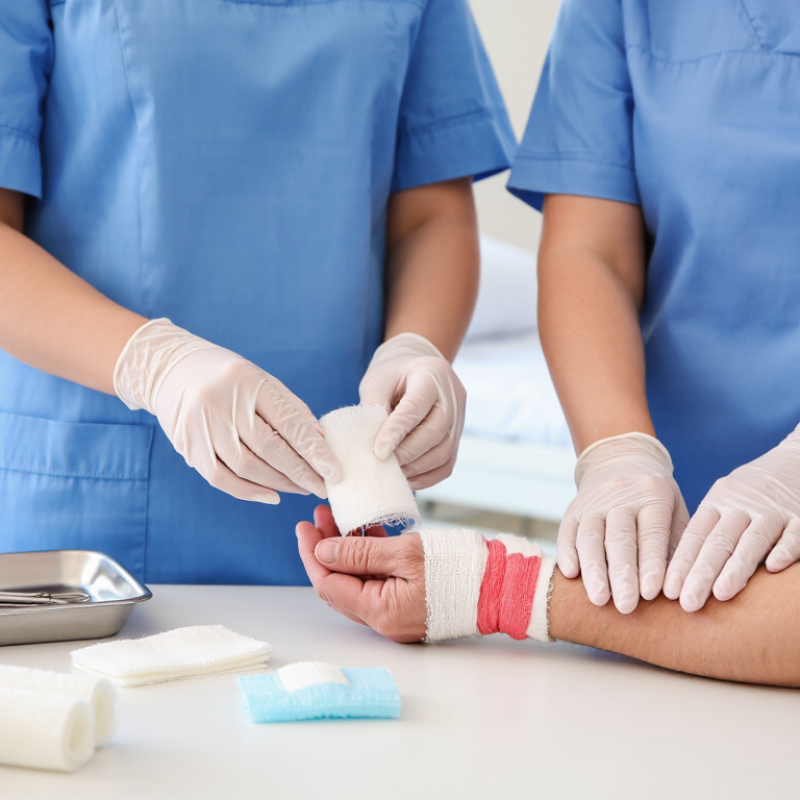
A clean dressing acts as a physical barrier between a wound and germs on hands, clothing, dust, or nearby surfaces. It also absorbs fluid that could soften the skin around the wound. The barrier only works when it stays clean, dry, and in place. Wash your hands before changing it, and avoid touching the wound-facing side. Small details matter.
Evidence has limits. A 2016 Cochrane review examined 29 trials involving 5,718 people with surgical wounds. It found no clear evidence that one dressing type prevents infection better than another. The review also noted uncertainty in the available studies. A dressing helps reduce exposure, but it cannot sterilize a wound or replace good wound care. If it becomes wet, loose, or visibly dirty, follow the care team’s instructions about changing it. Watch for spreading redness, increasing warmth, worsening pain, or pus, and seek medical advice if these appear. A neat-looking dressing is reassuring, perhaps, but it is not proof that infection is absent.
| Tip | How the Dressing Helps | Practical Steps | When to Get Medical Advice |
|---|---|---|---|
| 1. Wash your hands before and after wound care | Clean hands reduce the chance of transferring germs to the wound or dressing. | Wash with soap and water before touching the wound, and again after changing or disposing of the dressing. Use hand sanitizer if soap and water are not available and hands are not visibly dirty. | Seek advice if the wound is deep, heavily contaminated, or difficult to clean safely. |
| 2. Clean the wound gently before covering it | Removing visible dirt helps limit material that could remain trapped beneath a dressing. | Rinse minor cuts and scrapes with clean running water or sterile saline. Clean the surrounding skin gently; avoid routinely putting alcohol or hydrogen peroxide into the wound unless a clinician advises it. | Get medical care for embedded debris, a bite, a puncture wound, or a wound that will not clean up. |
| 3. Use a clean, suitable dressing | A dressing creates a physical barrier between the wound and external contaminants. | Choose a sterile dressing for an open wound and one large enough to cover the wound fully. Follow the product instructions and avoid touching the part that will contact the wound. | Ask a healthcare professional which dressing is appropriate for a large, deep, or complex wound. |
| 4. Keep the wound covered when it may be exposed | Covering helps protect the wound from dirt, friction, and contact with unclean surfaces. | Keep the dressing in place during activities that could expose the wound. Secure it comfortably without wrapping so tightly that circulation is affected. | Get advice if fingers or toes beyond the bandage become numb, unusually pale, blue, or cold. |
| 5. Replace a dressing when it is wet, dirty, loose, or as directed | A damaged or contaminated dressing may no longer provide a reliable protective barrier. | Follow the dressing instructions or a clinician’s care plan. Change it if it becomes wet, visibly dirty, or detached; use clean hands and a fresh dressing. | Contact a clinician if the dressing repeatedly becomes saturated with blood or fluid. |
| 6. Avoid letting the dressing become overly tight or waterlogged | A well-fitted dressing stays in place while allowing the surrounding skin to remain protected and comfortable. | Keep the dressing secure but not constricting. If it gets soaked, replace it with a clean one; follow medical instructions about bathing or keeping the wound dry. | Seek advice if the skin around the wound becomes increasingly soft, irritated, or damaged. |
| 7. Check the wound and follow the care plan | Regular checks help identify problems that a dressing cannot prevent or treat on its own. | When changing the dressing, look for changes in redness, warmth, swelling, pain, or drainage. Dispose of used dressings safely and do not reuse single-use products. | Get medical advice for spreading redness, worsening pain or swelling, pus, fever, or a wound that is not healing. Dressings reduce exposure to germs but cannot guarantee prevention of infection. |
Wash your hands with soap and running water, including fingertips and between fingers. Dry them with a clean towel, then set supplies on a dry surface. Small details matter.
Gently rinse it with clean running water. Pat the surrounding skin dry with clean gauze or a fresh towel, and avoid touching the wound.
Open the packet when you are ready, with the inner surface facing upward. Keep it away from the sink, clothing, and tabletop. If it touches something, pause and reset.
Consider the wound’s depth, location, and drainage. A shallow scrape may need a non-stick pad; a wound with more fluid may need a more absorbent covering.
Change it if it becomes wet, dirty, loose, or soaked through. Follow care instructions. I still sometimes rush this part, so pausing helps.
Moisten it with clean water or saline if the care instructions allow. Do not pull it off.
Watch for spreading redness, increasing warmth or swelling, cloudy drainage, a bad smell, or worsening pain. Fever or suddenly feeling unwell also matters.
Seek advice for a deep wound, bite, puncture, or worsening symptoms. People with diabetes or poor circulation may need guidance sooner.
A photo in similar lighting may help show changes around the wound. It cannot replace medical advice.
How medical dressing and bandages prevent infections begins with creating a clean barrier between a wound and germs in the environment. Before applying a dressing, wash your hands thoroughly and gently clean the wound according to appropriate first-aid guidance. Choose a dressing that suits the wound’s size, location, and amount of fluid, so it can protect the area without sticking or restricting movement.
Apply and secure the dressing with clean hands and supplies, taking care not to touch the part that will cover the wound. Change it when it becomes wet, dirty, loose, or as directed, and clean your hands before and after each change. Check the wound regularly for signs of infection, such as increasing redness, warmth, swelling, pain, or unusual discharge. Seek medical advice if symptoms worsen or you are concerned about healing.

 Seaoriva Medical