An unstable knee can feel unreliable during a simple walk, stair climb, or change of direction. For many people, an orthopedic brace adds support when muscles and ligaments cannot provide enough control. The central question is simple: How orthopedic braces support joint stability? These devices can guide movement, reduce unwanted motion, and distribute pressure around vulnerable joints. They may also improve confidence during rehabilitation or daily activities. Yet support is not the same as healing.
Orthopedic braces use different structures for different stability problems. A hinged knee brace can limit excessive bending while allowing controlled movement. An ankle brace may reduce side-to-side rolling after a sprain. Compression sleeves provide gentle pressure and may help users recognize joint position. By limiting risky motion, braces can reduce strain on healing tissues. Some designs also redirect force away from painful areas. However, too much restriction can weaken normal movement patterns. Too little support may offer limited protection. Fit matters.
Reliable guidance begins with a clinical assessment, not a product label. Physiotherapists and orthopedic professionals consider injury type, joint alignment, activity level, and skin condition. Research supports bracing for selected injuries, but results differ between patients. Practical experience also shows that comfort affects consistent use. Patients should inspect straps, hinges, and skin after wearing a brace. Pain, swelling, numbness, or color changes require professional review. This article explains the mechanisms behind bracing without promising universal results. One limitation remains clear: a brace cannot replace appropriate rehabilitation, strength training, or medical diagnosis. Use it as a tool.
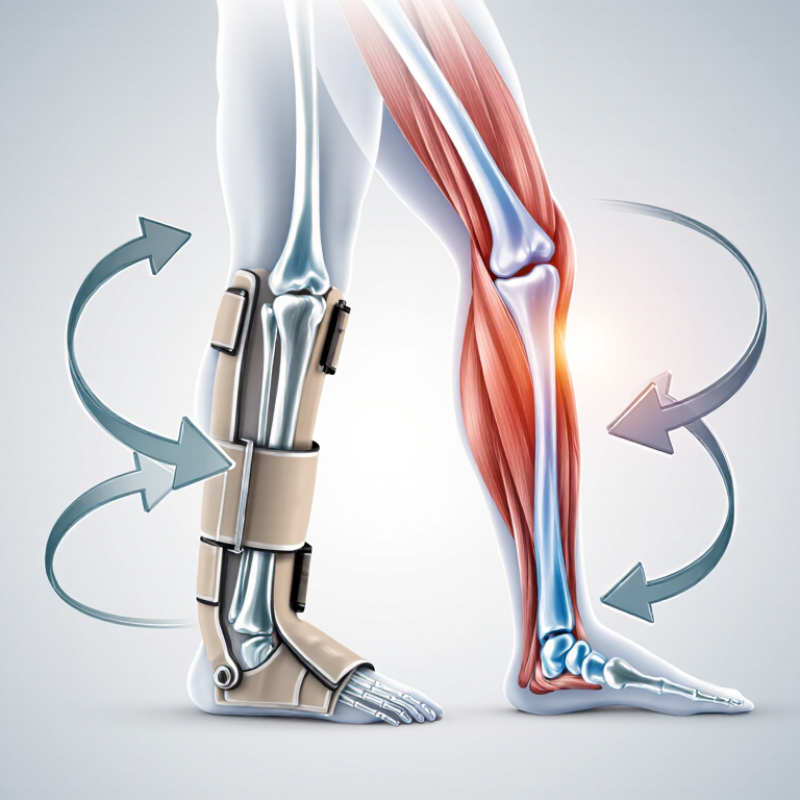
Joint stability means controlled movement under load. It is not simply keeping a knee or ankle still. Ligaments, muscles, joint surfaces, nerves, and balance responses work together. When these systems lose coordination, the joint may buckle, twist, or feel uncertain on stairs.
The World Health Organization reports that about 1.71 billion people live with musculoskeletal conditions worldwide. The Global Burden of Disease Study also identifies low back pain and osteoarthritis as major causes of disability. These figures show why stability matters in daily care. An orthopedic brace can limit harmful movement, distribute pressure, and improve proprioceptive feedback. A knee brace may provide a firmer boundary during a turn. An ankle brace can reduce excessive rolling on uneven ground. Still, a brace cannot rebuild a torn ligament or replace muscle control. That distinction is easy to miss.
Tips: Check skin color, warmth, swelling, and numbness after wearing a brace. It should feel supportive, not painfully tight. Use the prescribed activity level, and ask a qualified clinician to reassess poor fit or repeated giving-way. Measurements can be imperfect. Human movement is not a fixed diagram. A brace that works during walking may feel restrictive during squatting. Reflect on comfort, control, and function rather than relying on support alone.
How Do Orthopedic Braces Support Joint Stability?
How Orthopedic Braces Align and Support Vulnerable Joints
Joint instability often begins with small movement errors. A knee may drift inward, or an ankle may roll during a single step. Orthopedic braces help guide these movements through structured compression, hinges, and supportive straps. Their purpose is not to freeze the joint. It is to keep vulnerable tissues within safer movement ranges.
The need is substantial. The World Health Organization reports that approximately 1.71 billion people worldwide live with musculoskeletal conditions. In the United States, the Centers for Disease Control and Prevention estimates that 32.5 million adults have osteoarthritis. For selected knee osteoarthritis patients, the American Academy of Orthopaedic Surgeons’ 2021 clinical practice guideline recognizes bracing as a possible way to improve pain and function. The evidence is not equally strong for every brace or patient.
Fit matters greatly. A correctly positioned hinge can support the knee’s natural axis while reducing unwanted side-to-side stress. An ankle brace may limit excessive inversion without blocking normal walking. Still, skin pressure, slipping, and restricted motion can occur. That is easy to underestimate. Clinical assessment should consider swelling, strength, gait, activity, and the joint’s specific injury pattern. A brace can improve confidence, but confidence may encourage premature activity. Progressive rehabilitation remains essential, and the device should be reviewed when symptoms or movement patterns change.
Approximate healthy-adult movement ranges that braces may help guide or restrict when vulnerable joints need added support.
Hinges, straps, and rigid panels help align a joint and limit excessive or unwanted movement while allowing controlled motion. The displayed values are approximate ranges in degrees and can vary with age, assessment method, injury status, and individual anatomy.
Orthopedic braces support joint stability by limiting unsafe movement while preserving useful motion. Their design matters because each joint fails in different directions.
A hinged knee brace helps control side-to-side stress after ligament injury. Its hinges guide bending while reducing unwanted twisting. A compression sleeve offers lighter support and may improve proprioception, helping you sense knee position during movement. An ankle stabilizer commonly uses straps or semi-rigid panels to limit rolling. It can be useful after repeated sprains, especially on uneven ground. Wrist braces keep the joint in a neutral position, reducing strain during typing, lifting, or recovery. A shoulder immobilizer restricts larger movements, allowing injured tissues to rest. It is more restrictive, so medical guidance is important.
Tips: Choose support based on the joint problem, not appearance. A brace should feel secure, never numb, sharply painful, or excessively tight. Check the skin after wearing it for thirty minutes. Swelling, tingling, or cold fingers need attention. Follow a clinician’s fitting instructions when possible.
In practice, the best brace is not always the strongest one. Excessive restriction may weaken normal movement or change how you walk. I sometimes see people wear a brace for every activity, even when rehabilitation should be rebuilding control. Fit, timing, and gradual use matter. Replace damaged straps or stretched fabric. A poorly fitted brace can create pressure points instead of stability.
Orthopedic braces support joint stability by guiding movement rather than freezing the joint completely. During daily activities, a brace can limit excessive bending, twisting, or side-to-side motion. This matters when walking downstairs, carrying groceries, or turning quickly on a planted foot. Hinged designs may control the range of motion while allowing safer, more natural movement. Firm straps and padded panels can also improve pressure distribution around the joint.
A brace may provide useful feedback, too. The gentle pressure reminds the wearer to slow down and keep the joint aligned. Physical therapists often assess walking patterns, swelling, strength, and brace fit before recommending regular use. A loose brace may slide during activity. A tight one can cause numbness, skin irritation, or discomfort. Small details matter. It should feel supportive, not painfully restrictive.
In practice, braces work best alongside suitable exercises and activity changes. They cannot correct every stability problem, and they may hide symptoms temporarily. That is easy to overlook. If pain, swelling, weakness, or unusual numbness continues, a qualified healthcare professional should reassess the joint and the brace. Careful fitting, gradual wear, and routine skin checks make daily use more reliable. Still, individual results vary, and a brace should match the person’s injury, movement demands, and recovery stage.
An orthopedic brace can limit harmful motion while preserving useful movement. Selection should begin with the joint, injury pattern, activity, and medical diagnosis. The World Health Organization reports that musculoskeletal conditions affect about 1.71 billion people worldwide. That scale makes careful fitting more than a comfort issue.
A hinged brace may suit controlled side-to-side support. A compression sleeve may provide warmth and mild proprioceptive feedback. The correct choice depends on swelling, skin condition, muscle strength, and the required range of motion.
A brace that feels secure may still restrict walking mechanics. Fit matters greatly. It should sit firmly without numbness, color change, or sharp pressure. Straps need checking after several minutes of movement.
Evidence is not perfectly consistent. A Cochrane review of knee osteoarthritis interventions found that braces may improve pain and function for some users, but certainty varied across studies. Real-world use is messier than clinic testing. People often tighten straps after discomfort begins, which can worsen pressure.
I have seen users focus on rigid support while ignoring weak muscles and poor movement habits. That is a mistake worth questioning.
A clinician should review the brace during the activity that causes symptoms, such as climbing stairs or lifting. Follow-up also matters, because swelling and gait can change during recovery.
Stop use and seek medical advice if pain, numbness, skin damage, or instability increases.
Braces guide vulnerable joints through safer movement ranges. They use compression, hinges, straps, or padded panels. They support movement without completely freezing the joint. Fit matters.
A brace may reduce excessive bending, twisting, or side-to-side motion. This can help when descending stairs or turning quickly. It should still allow useful movement. Not always perfectly.
A correctly positioned hinge can support the knee’s natural movement axis. It may reduce unwanted side-to-side stress during walking. Poor positioning can restrict normal mechanics. A clinician should check the fit during activity.
It should feel secure without causing sharp pressure or numbness. Some ankle braces limit excessive inward rolling. Normal walking should remain possible. Check the skin afterward.
Selection depends on the joint, injury pattern, swelling, strength, skin condition, and activity level. A compression sleeve offers mild support and movement feedback. A hinged brace provides more controlled motion. The best choice varies.
No. Braces work best with suitable exercises and activity changes. They cannot correct every weakness or movement habit. A brace may hide symptoms temporarily. That deserves caution.
A loose brace may slide during movement. A tight brace can cause numbness, irritation, or color changes. Continued pressure may damage the skin. Recheck the straps after walking.
Seek professional advice if pain, swelling, weakness, numbness, or instability increases. Stop and inspect the skin if sores or lasting marks appear. Symptoms may change during recovery. Reassessment is sometimes necessary.
Wear time depends on the injury, activity, and professional guidance. Gradual use can reveal pressure problems early. Wearing it longer is not automatically better. I might underestimate that risk.
Gentle pressure can remind someone to slow down and maintain alignment. This may increase confidence during daily tasks. Confidence can also encourage activity too soon. Progress should remain gradual.
Joint stability in orthopedic care refers to the ability of a joint to remain properly aligned and controlled during movement, reducing unwanted shifting and stress on surrounding tissues. How orthopedic braces support joint stability depends on their ability to provide targeted compression, alignment, and external support for vulnerable joints. By guiding movement and sharing some of the load, braces can help improve comfort and confidence during everyday activities.
Different braces serve different purposes, including stabilizing the knee, ankle, wrist, elbow, or spine. Some limit excessive twisting, bending, or side-to-side motion, while others provide gentle support without greatly restricting mobility. Their effectiveness depends on choosing the correct design, size, support level, and fit for the individual’s condition and activity. Proper positioning, regular inspection, and guidance from a qualified healthcare professional are also important. A brace should support natural movement rather than replace strength, rehabilitation, or medical care.

Seaoriva Medical