Top 10 Ways Medical Dressings and Bandages Prevent Infections?

Time:2026-06-13 Author:Henry
0%

In the realm of healthcare, the prevention of infections is paramount. Medical dressings and bandages play a crucial role in this battle. According to a report from the World Health Organization, up to 20% of patients develop healthcare-associated infections, underlining the significance of effective wound management. How medical dressing and bandages prevent infections involves several mechanisms that protect wounds from external contaminants.

Modern dressings use advanced materials that offer antimicrobial properties. These innovations significantly reduce the growth of bacteria. A study published in the Journal of Hospital Infection found that the application of antimicrobial bandages decreased infection rates by nearly 40%. While the majority of medical professionals recognize these benefits, the selection process can still be flawed. Some practitioners may overlook specific patient needs or the unique nature of wounds.

Therefore, understanding the nuances of different dressings and their application is essential. Infection prevention is not just about covering a wound; it involves selecting the right materials and techniques for each unique situation. As we delve into the top 10 ways medical dressings and bandages prevent infections, we must reflect on current practices. It is crucial to incorporate evidence-based strategies for optimal patient outcomes.
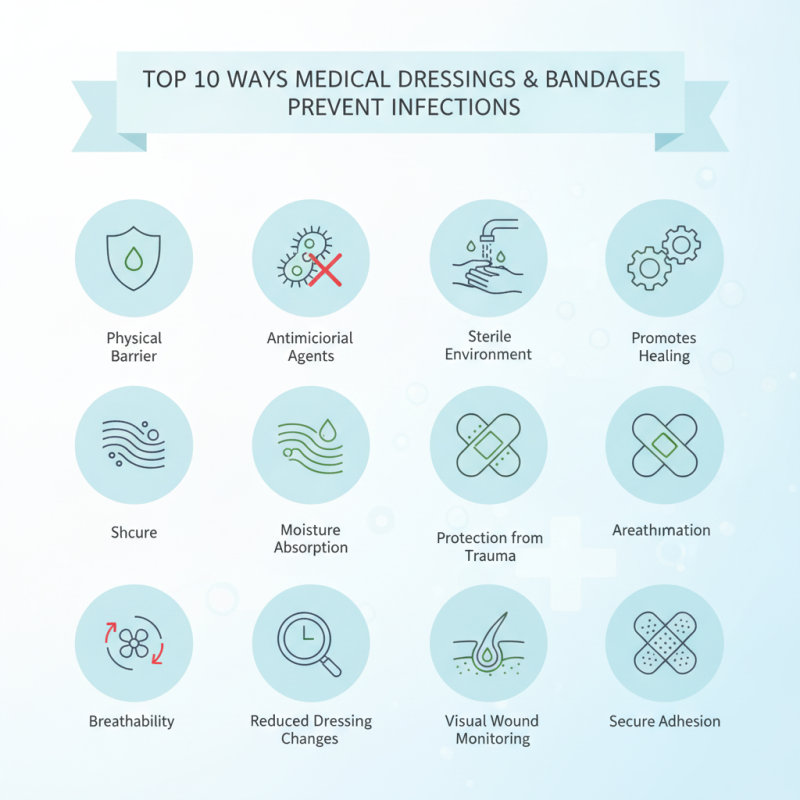
Top 10 Ways Medical Dressings and Bandages Prevent Infections?

Importance of Medical Dressings and Bandages in Infection Prevention

Medical dressings and bandages play a crucial role in preventing infections. When a wound occurs, the skin barrier is compromised. This allows bacteria to enter the body, leading to potential infections. Properly applied dressings create a barrier against external pathogens. They also help maintain a moist environment that promotes healing.

Tips for effective dressing application include ensuring the wound is clean before covering it. Always use sterile materials. Regularly change dressings to avoid moisture buildup, which can foster bacteria. Monitor the wound for any signs of infection, such as increased redness or swelling.

In addition, it's important to choose the right type of dressing. Gauze may be useful for minor wounds, while specialized hydrocolloid dressings can aid healing for deeper injuries. Sometimes, selecting the appropriate dressing can be a challenge. Consulting a healthcare professional for recommendations can enhance infection prevention strategies. Overall, understanding the significance of medical dressings can profoundly impact healing outcomes.

Types of Medical Dressings and Their Unique Protective Features

Medical dressings come in various types, each designed with specific protective features. These features play essential roles in preventing infections. For instance, hydrocolloid dressings form a moist environment over the wound, promoting healing while reducing the risk of bacteria entering. They can absorb exudate and maintain temperature, creating an unfavorable condition for microbial growth. Gauze bandages, though more traditional, are still widely used due to their simplicity and breathability.

Some specialized dressings include alginate and foam dressings. Alginate dressings are derived from seaweed, excellent for managing larger wounds with high exudate levels. They gel upon contact with moisture, providing a protective barrier. Foam dressings, on the other hand, offer cushioning and insulation. They can also absorb fluids while keeping the wound area dry and ventilated. Yet, choosing the right dressing can be complex, as not all wounds require the same type of coverage.

In clinical settings, healthcare providers must assess each wound carefully. It's crucial to consider factors like the wound size and depth. Not all materials work equally for different patients. Inadequate selections may lead to complications, such as increased infections. Observing how various dressings perform in practice helps refine choices over time. This approach combines experience and expertise, enhancing patient care.

Top 10 Ways Medical Dressings and Bandages Prevent Infections

Type of Dressing Unique Feature Infection Prevention Mechanism
Hydrocolloid Moisture-retentive Creates a moist environment, promoting healing and reducing infection risk.
Foam Dressings Highly absorbent Absorbs exudate, preventing pooling that can lead to infection.
Transparent Film Waterproof and semi-permeable Protects the wound from water and bacteria while allowing oxygen exchange.
Alginate Dressings Derived from seaweed Forms a gel when in contact with wound exudate, keeping the area moist and protecting it from infection.
Hydrogel Dressings Cooling and soothing Keeps the wound hydrated and reduces pain, while minimizing the chance of infection.
Negative Pressure Wound Therapy (NPWT) Vacuum-assisted closure Promotes blood flow and draws out fluids, reducing infection risk through improved healing.
Silver-Infused Dressings Antimicrobial properties Releases silver ions that inhibit bacterial growth, thereby preventing infection.
Composite Dressings Multi-layered Combines features of various dressings to optimize protection against infection.
Gauze Dressings Versatile and breathable Provides basic protection while allowing air circulation, and can be used with antiseptics.

How Medical Dressings Promote a Moist Healing Environment

Medical dressings are crucial for wound care. They help maintain a moist healing environment, which is vital for recovery. A moist environment allows new cells to flourish while preventing the edges of the wound from drying out. When a wound dries, it can lead to scabbing, which may slow the healing process. Furthermore, a moist setting reduces pain and discomfort for the patient.


Inadequate healing can result in complications. Medical dressings help to absorb excess exudate while keeping harmful bacteria at bay. This minimizes the risk of infection, a significant concern in wound care. However, not all dressings are created equal. Some may struggle to maintain moisture levels or adhere properly to the skin. It’s essential to choose the right dressing based on the wound's characteristics. Monitoring the wound frequently can help ensure that proper conditions are maintained. Regular evaluations can identify when a dressing may need to be changed or if additional care is required.

The Role of Adhesives in Securing Bandages to Reduce Contamination

Adhesives play a crucial role in securing medical dressings and bandages. Proper adhesion minimizes the risk of contamination at wound sites. A 2021 study from the Journal of Wound Care shows that effective adhesives reduce bacterial colonization by up to 35%. This significant decrease is vital in preventing infections from surgical sites or chronic wounds.

Moreover, the integrity of adhesive materials affects overall healing time. Poor bonding can lead to dressing displacement, exposing the wound to contaminants. Data indicates that 70% of healthcare-associated infections stem from inadequate wound management. This reflects a critical need for high-quality adhesive dressings that ensure a tighter seal around the wound.

While advances in adhesive technology aim to enhance performance, challenges remain. Allergic reactions or skin irritations can occur with prolonged use. It underscores the importance of personalized care in wound management. Developing better adhesives that balance adhesion and skin safety is essential to improve patient outcomes. This ongoing research could redefine best practices in infection prevention within medical environments.

Monitoring and Changing Dressings to Maintain Infection Control

Monitoring and changing dressings regularly is crucial for infection control in wound management. According to the World Health Organization, approximately 25% of patients with wounds experience infections, increasing the duration of hospital stays and healthcare costs. Regular dressing changes can help reduce this risk by minimizing bacterial colonization.

It is essential to follow best practices when changing dressings. Studies suggest that sterile techniques should be observed to avoid contamination. For instance, using clean gloves and maintaining a clean environment can effectively reduce pathogenic exposure. Some healthcare professionals emphasize that using breathable materials in dressings can enhance moisture management while preventing maceration. The ideal dressing should protect the wound, allow for gas exchange, and absorb excess exudate.

Despite these guidelines, improper techniques continue to pose challenges. In a survey of healthcare providers, nearly 30% admitted not always adhering to recommended protocols during dressing changes. This reflects a need for ongoing education and training in infection control. Enhancing adherence to proper dressings and changing schedules is paramount for effective wound care and infection prevention.

FAQS

: Why are medical dressings important in preventing infections?

: They create a barrier against bacteria and maintain a moist environment for healing.

What should I do before applying a dressing?

Ensure the wound is clean and use sterile materials for application.

How often should I change dressings?

Change them regularly to prevent moisture buildup, which can lead to infections.

What signs indicate an infection in a wound?

Look for increased redness, swelling, or pus around the wound area.

How do hydrocolloid dressings help in wound healing?

They retain moisture and absorb exudate, creating an environment preventing bacterial growth.

Is it difficult to choose the right dressing for my wound?

Yes, selecting the appropriate dressing can be challenging; consult a healthcare professional for help.

What challenges do healthcare professionals face with dressing changes?

Many providers admit to not always following proper protocols during dressing changes.

Why is it important to use breathable materials in dressings?

Breathable materials manage moisture effectively and prevent skin maceration.

How do alginate dressings differ from foam dressings?

Alginate dressings gel upon contact with moisture, while foam dressings provide cushioning and insulation.

What is the importance of monitoring dressings?

Regular monitoring helps reduce bacterial colonization and prevents infections in wound care.

Conclusion

Medical dressings and bandages play a crucial role in preventing infections by creating a barrier against environmental contaminants and bacteria. Different types of dressings possess unique protective features that cater to various wound types, ensuring optimal healing conditions. For instance, they help maintain a moist healing environment, which is vital for tissue regeneration and reducing scab formation.

Additionally, the adhesives used in securing bandages are designed to minimize movement and exposure, further decreasing the risk of contamination. Regular monitoring and timely changing of dressings are essential practices to ensure effective infection control. In summary, understanding how medical dressing and bandages prevent infections is vital for achieving better health outcomes and promoting the healing process.

Henry

Henry

Henry is a dedicated marketing professional with a profound expertise in the company's offerings. With years of experience in the industry, he possesses an impressive understanding of the market dynamics and consumer behaviors that drive success. Henry is committed to sharing his insights through......