How to Organize Your Prescription Medication Storage System?

Time:2026-05-22 Author:Sophia
0%

Proper organization of prescription medication is crucial for healthcare and personal safety. According to a 2022 report from the American Pharmacists Association, nearly 55% of patients experience medication misuse due to poor storage practices. Many individuals struggle with managing their medications effectively. This often leads to confusion and potential health risks.

Understanding how to organize prescription medication storage systems can significantly improve adherence to health prescriptions. Studies show that clear labeling and secure storage help reduce errors. In contrast, disorganized spaces can lead to expired medications remaining in the home. This creates unnecessary risks.

Regular reviews of medication storage systems are essential. Health experts recommend establishing a routine to assess and discard expired medications. Not only does this enhance safety, but it also fosters a sense of control over personal health management. Emphasizing organization can transform a daunting task into a manageable one.
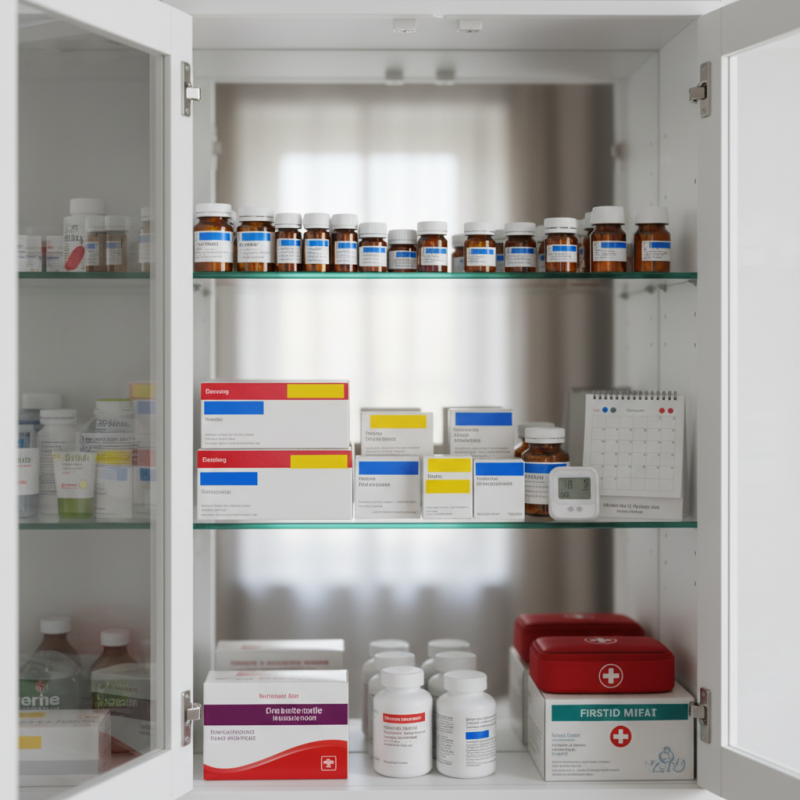
How to Organize Your Prescription Medication Storage System?

Assessing Your Prescription Medication Needs and Types

Assessing your prescription medication needs is crucial for effective storage. Each person's medication requirements vary. Start by listing all your medications. Include prescriptions, over-the-counter drugs, and supplements. Check expiration dates too. Some may need frequent use, while others sit unused. This evaluation helps you understand what you truly need.

Consider the types of medications you have. Are they pills, liquids, or ointments? Each form requires different storage conditions. Pills often need cool, dry places. Liquids may need refrigeration. Proper storage prevents medication from losing effectiveness.

Reflect on your organization methods. A disorganized system can lead to missed doses or taking the wrong medication. A simple solution is to categorize your medications. You can group them by morning and evening doses or by type. This may seem basic, but implementation is often overlooked. Regularly review your system to ensure it meets your needs. Finding flaws in your organization can reveal areas for improvement.

Prescription Medication Storage System Assessment

Choosing the Right Storage Container for Medications

When it comes to organizing your prescription medication storage, choosing the right container is essential. Consider options that protect medication from light and moisture. A dark, airtight container is ideal for many pills. Transparent containers can help you quickly identify medications, but they may not be as protective.

Tips: Always label containers clearly. Include the name of the medication, dosage, and expiration date. This can prevent confusion and ensure you take the correct drug at the right time.

Think about accessibility too. Childproof containers are necessary if children are around, but they can be cumbersome for adults. Balance safety with ease of access. You might need to reevaluate your choices regularly. Containers can wear out or become difficult to handle over time, so don’t hesitate to replace them.

Lastly, keep your storage area tidy. A cluttered space can lead to misplacing medications. Regularly check for expired products and dispose of them safely. Organizing your medication can improve safety and ease in managing your health.

Labeling and Organizing Medications for Easy Access

Organizing your prescription medication storage system starts with effective labeling. Clear labels can prevent confusion. Use large, legible fonts and bright colors. This helps identify medications quickly. Include the name of the medication, dosage, and any special storage instructions. Avoid using abbreviations that may cause misunderstandings.

Consider storing medications in separate bins for easy access. You might want to group them by purpose or family member. Each bin should carry a label that indicates its contents. This organization can simplify finding what you need during busy moments. Don't forget to check expiration dates regularly. It's necessary to discard outdated medications safely.

Reflect on your current system. Does it change when family members visit? Are you losing track of medications amid daily life? Regular audits of your storage system can reveal areas for improvement. Each change is a step toward a more efficient medication storage solution. Ensure every family member understands the system you create. Communication and consistency are key.

How to Organize Your Prescription Medication Storage System? - Labeling and Organizing Medications for Easy Access

Medication Name Dosage Storage Location Expiration Date Additional Notes
Lisinopril 10 mg Shelf 1 2024-05-01 Take daily
Metformin 500 mg Shelf 1 2025-12-15 Take twice daily
Atorvastatin 20 mg Shelf 2 2023-11-30 Take at night
Amlodipine 5 mg Shelf 2 2025-01-20 Take daily

Establishing a Regular Medication Review and Inventory System

Establishing a regular medication review and inventory system is crucial for effective medication management. Start by setting a specific time each month to check your medication stock. This could mean jotting down pills that are running low or checking expiration dates. Having a dedicated notebook or digital app can help keep everything in one place. A simple spreadsheet listing medications and dosages can be very effective.

Involve family members in this process. Sharing the responsibility increases accountability. It also promotes safety, especially for those taking multiple prescriptions. Remember, it’s common to forget medications, or even mix them up. Regularly reviewing can catch potential errors like expired meds or incorrect dosages.

If you find that some medications are consistently unused, consider discussing with a healthcare provider. This can lead to adjustments that fit your needs better. Reflect on your routine, too. Is there a time when medications are often forgotten? Identifying these moments helps in creating reminders or automated systems. Each small step towards organizing your medication can lead to better health outcomes.

Ensuring Safe Disposal of Expired or Unused Medications

When managing your medications, it’s crucial to consider the safe disposal of expired or unused prescriptions. Expired medications can become less effective or even harmful. Storing these drugs increases the risk of accidental ingestion, especially in households with children or pets. An organized system allows you to regularly check expiration dates and identify medications that you no longer need.


To dispose of medications properly, follow local regulations. Many communities offer drug take-back programs. These programs allow you to drop off unused medications safely. If this option is unavailable, consider mixing the drugs with undesirable substances like coffee grounds or kitty litter. Seal this mixture in a bag or container before placing it in the trash. Avoid flushing medications down the toilet unless specifically directed. This practice helps protect water supplies from contamination.


Creating a storage system can help keep track of your medications. Use labeled containers or bins to categorize them by type or usage. A simple checklist or reminder can keep you accountable for regular checks and safe disposal. This approach encourages reflection on your medication needs and supports a healthier lifestyle.


Staying organized minimizes waste and enhances safety for your household.

FAQS

: Why is assessing medication needs important?

: It helps ensure effective storage and identifies what medications are truly necessary.

What types of medications should I consider?

Consider all forms, including pills, liquids, and ointments, as each requires different storage.

How should I store pills?

Store pills in cool, dry places to maintain their effectiveness.

What about storing liquids?

Liquids may require refrigeration to prevent spoilage.

How can I improve my medication organization?

Categorize medications by usage time or type to avoid confusion.

Why is labeling important?

Clear labels prevent mix-ups and ensure you take the right medication on time.

What should I do about accessibility?

Choose childproof containers for safety but ensure they are easy for adults to access.

How often should I review my storage methods?

Regular evaluations can highlight areas needing improvement and keep your system relevant.

What does a cluttered space lead to?

Clutter can cause misplaced medications and increase safety risks.

How can I manage expired medications?

Regularly check and safely dispose of expired products to keep your space organized.

Conclusion

Organizing your prescription medication storage system is crucial for maintaining health and safety at home. Start by assessing your medication needs, including types and quantities, to ensure you have a clear understanding of what you need to store. Choosing the right storage container is essential, as it should protect the medications from moisture and light while allowing for easy access.

Once you have your medications stored, labeling each item clearly can help prevent mix-ups and facilitate quick access. Establishing a regular review and inventory system ensures that you keep track of your medications and their expiry dates. Finally, it's important to know how to safely dispose of any expired or unused medications to prevent accidental ingestion and environmental harm. By following these steps, you can effectively learn how to organize prescription medication storage systems in a safe and efficient manner.

Sophia

Sophia

Sophia is a dedicated marketing professional with an exceptional depth of knowledge about her company's products and services. With a keen understanding of market trends and customer needs, she crafts insightful blog posts that not only inform but also engage readers, enriching the company’s online......