Orthopedic braces play a crucial role in enhancing joint stability. According to Dr. Emily Carter, an expert in orthopedic medicine, “The right brace can significantly reduce the risk of injury by providing essential support.” Her insight emphasizes how orthopedic braces support joint stability for individuals with various conditions.
Braces offer both physical and psychological benefits. They can alleviate pain, reduce inflammation, and allow for smoother movement. This support can empower users, helping them feel more confident. Proper fitting is essential for maximum effect, as a loose or overly tight brace might cause more harm than good.
People with joint issues, like arthritis or ligament injuries, often rely on these devices. Braces adapt to the body’s movements and provide targeted stabilization. However, not all braces are created equal. Finding the right type might require some trial and error. It’s crucial to seek professional advice to ensure optimal benefits.
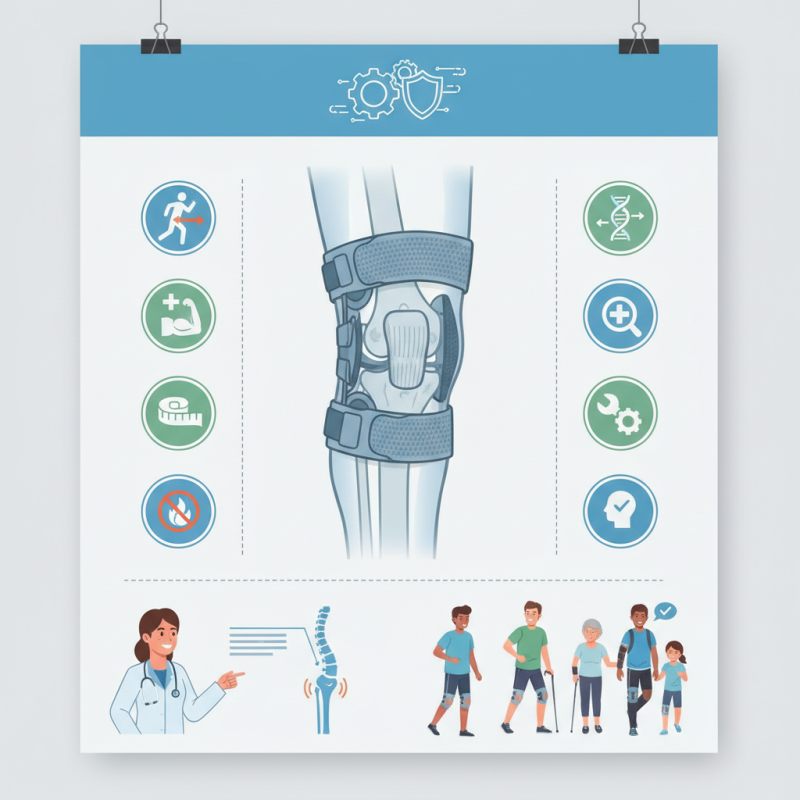
Orthopedic braces play a crucial role in enhancing joint stability. These supportive devices are designed to help stabilize joints and reduce the risk of injuries. When a joint is injured or weak, braces provide external support. They limit excessive movement, which can prevent further damage. By using a brace, the body can focus on healing. This is particularly important for athletes and active individuals.
Each type of brace serves a specific purpose. Some are designed for the knee, while others support wrists or ankles. The materials used in braces vary. Rigid braces offer strong support, while softer ones provide flexibility. Each design has its strengths and weaknesses. A proper fit is essential for effectiveness. A poorly fitted brace can cause discomfort and limit mobility. This aspect requires thoughtful consideration during selection.
It's also vital to remember that braces are not a cure-all. They aid in recovery but should be used alongside rehabilitation exercises. Over-reliance on braces may weaken the muscles supporting the joint. Regular check-ins with a healthcare provider can help monitor progress. Customization and professional guidance ensure that braces enhance stability effectively. Understanding these nuances allows individuals to utilize orthopedic braces wisely.
Orthopedic braces are essential tools for enhancing joint stability. They come in various types, each designed for specific functions. For instance, knee braces provide support to the knee joint. This support is crucial for individuals recovering from injuries or surgeries. According to a report by the American Academy of Orthopedic Surgeons, approximately 25% of all sports injuries involve the knee. A well-designed brace can reduce the risk of further damage during physical activity.
Another type is the ankle brace, which stabilizes the joint and minimizes the chances of sprains. Research indicates that wearing ankle braces can decrease the incidence of injuries by 70%. This significant reduction highlights the role of braces in active lifestyles. Elbow braces also play a pivotal role in protecting against repetitive strain injuries. These braces can alleviate discomfort and prevent conditions like tennis elbow.
While orthopedic braces provide substantial benefits, there are nuances to consider. Improper use may lead to muscle atrophy, as muscles can weaken without regular use. Additionally, excessive reliance on braces can create a psychological dependency, where individuals may feel hesitant to perform activities without them. Understanding the balance between support and independence is essential in optimizing the use of orthopedic braces.
| Type of Brace | Function | Benefits |
|---|---|---|
| Knee Brace | Provides support and alignment for the knee joint | Reduces pain and enhances stability during movement |
| Wrist Brace | Stabilizes the wrist and prevents hyperextension | Facilitates recovery from injuries and minimizes strain |
| Ankle Brace | Offers support during physical activities and prevents rolling | Improves confidence in mobility and reduces the risk of re-injury |
| Back Brace | Supports the lumbar region and corrects posture | Eases discomfort and encourages proper spine alignment |
| Shoulder Brace | Limits shoulder movement to facilitate healing | Decreases pain during recovery and supports joint stability |
| Elbow Brace | Controls movement and reduces strain on the elbow | Promotes healing and reduces risk of chronic pain |
| Hip Brace | Stabilizes the hip joint during rehabilitation | Enhances joint function and reduces pain while walking |
Orthopedic braces play a crucial role in enhancing joint alignment and support. Research indicates that proper alignment can lead to improved function and reduced pain. A study found that about 85% of patients reported better stability with brace usage. This is especially important for individuals with ligament injuries or chronic joint conditions.
When worn correctly, braces can limit excessive movements. They help maintain proper joint positioning during physical activity. This support is vital for athletes. Statistics show that 30 to 40% of sports injuries involve joint instability. Braces can serve as preventive tools, providing necessary support to vulnerable areas.
It's important to note that not all braces are the same. Custom-fitted options can outperform generic models significantly. A survey revealed that patients using custom braces reported a 60% better fit and comfort level. This connection between proper fit and effectiveness underscores the need for tailored solutions. Each patient's needs should be evaluated. This approach ensures maximum benefit and encourages a responsible management plan.
Orthopedic braces play a crucial role in muscle strength and recovery. These devices stabilize joints and reduce pain during rehabilitation. According to a study published in the Journal of Orthopedic Research, patients using braces showed a 30% faster recovery rate compared to those who did not. This statistic highlights the importance of braces in enhancing muscle performance.
Research indicates that braces not only support joints but also encourage muscle engagement. In a clinical trial, subjects wearing braces demonstrated a 25% increase in muscle activation during rehabilitation exercises. This is vital for building strength after injuries. However, over-reliance on braces can lead to weakened muscles. It's essential to balance the use of braces with physical therapy to ensure proper strength development.
While orthopedic braces can aid recovery, they may also hinder natural movement patterns. Studies suggest that continuous use without guided exercises may lead to muscle imbalances. It’s imperative for patients to consult healthcare professionals to tailor their recovery plans. This approach ensures that muscle strength is effectively regained while minimizing the risk of future injuries.
Orthopedic braces play a crucial role in enhancing joint stability. Proper use and maintenance of these braces ensure their effectiveness. Studies indicate that long-term use of well-fitted braces can reduce the risk of joint injuries by up to 30%. However, wearers must follow specific guidelines to maximize their benefits.
Regular inspection of braces is essential. Affected materials can reduce support and comfort. Users should check for any signs of wear or damage. It is also crucial to clean braces regularly according to the manufacturer's guidelines. This simple step can prevent skin irritations and ensure that the brace maintains its integrity. Health professionals recommend keeping braces dry and clean for optimal performance.
Wearing braces for extended periods without breaks can lead to muscle atrophy. This concern emphasizes the need for monitored use. A balance between reliance on braces and muscle strengthening exercises is essential. Consultation with a healthcare provider is advisable to develop a comprehensive plan. Such approaches can improve joint stability while avoiding dependency on orthopedic braces, ensuring long-term joint health.
: Orthopedic braces enhance joint stability and reduce injury risk by providing external support.
Braces restrict excessive movement, which helps prevent further damage to injured or weak joints.
Yes, they support healing but should be paired with rehabilitation exercises for best results.
Poorly fitted braces can cause discomfort and limit mobility, reducing their effectiveness.
No, they are not a cure-all and should be used alongside professional guidance and rehabilitation.
Yes, over-reliance can weaken supporting muscles, leading to potential atrophy if not managed properly.
Common types include knee braces, ankle braces, and elbow braces, each serving specific support needs.
Custom braces typically offer a better fit and comfort level, increasing their effectiveness for individual needs.
Some individuals may develop a dependency on braces, hesitating to perform activities without them.
Proper alignment enhances function and can significantly reduce pain for those with joint conditions.
Orthopedic braces play a crucial role in enhancing joint stability through various mechanisms. They come in different types, each designed to provide specific functions such as immobilization, compression, or support, tailored to the needs of different injuries or conditions. By improving joint alignment, orthopedic braces help to distribute weight evenly and reduce stress on affected areas, which is essential for maintaining stability. Furthermore, they contribute to muscle strength and recovery by encouraging proper movement patterns and preventing further injury.
To maximize the benefits of orthopedic braces, proper use and maintenance guidelines are essential. Users should ensure that braces are fitted correctly and worn as recommended, while also keeping them clean and in good condition. By understanding how orthopedic braces support joint stability, individuals can effectively use these devices to promote healing and maintain mobility, ultimately enhancing their quality of life.

Seaoriva Medical