How Rehabilitation Equipment Aids Post-Surgery Recovery?

Time:2026-06-29 Author:Madeline
0%

Rehabilitation equipment plays a crucial role in post-surgery recovery. Research shows that proper rehabilitation can reduce recovery time by 30%. Additionally, 70% of patients report significant improvements in mobility when using specialized equipment. Understanding how rehabilitation equipment helps post-surgery recovery is vital for both patients and healthcare providers.

Evidence indicates that guided therapy enhances healing. Equipment such as resistance bands and adjustable weights allow tailored rehabilitation programs. These tools enable gradual increases in strength and mobility. For instance, a study published in the Journal of Rehabilitation Research notes that early intervention with these tools can reduce complications.

However, not all recovery pathways are seamless. Some patients may find it challenging to adhere to rehabilitation routines. This inconsistency can hinder recovery despite the availability of advanced equipment. An open conversation about individual challenges is essential. Overall, effective rehabilitation planning must include education and patient engagement.
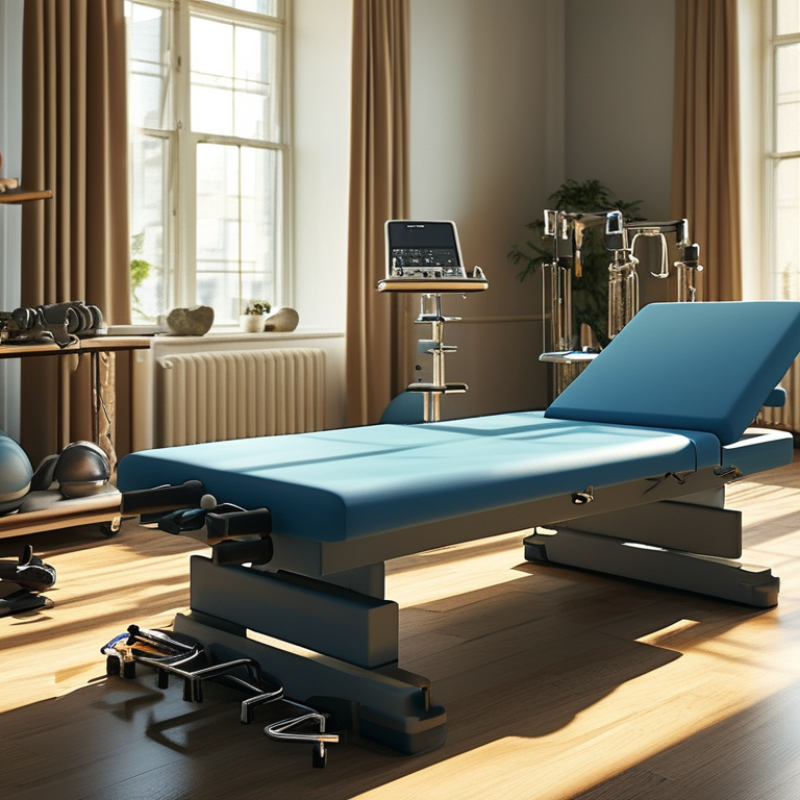
How Rehabilitation Equipment Aids Post-Surgery Recovery?

The Role of Rehabilitation Equipment in Post-Surgery Healing

Rehabilitation equipment plays a crucial role in post-surgery healing. After surgical procedures, patients often experience pain, reduced mobility, and muscle atrophy. Effective rehabilitation tools help to address these issues and enhance overall recovery outcomes.

A study published in the Journal of Rehabilitation Research & Development indicates that structured rehabilitation programs can increase recovery rates by 30%. Equipment such as resistance bands, stationary bikes, and balance boards are frequently used in recovery plans. These tools support gradual muscle strengthening and coordination, essential for regaining function after surgery.

Tip: Incorporate short, frequent sessions using rehabilitation equipment. This helps prevent overexertion while promoting consistent improvement.

Patients may find it challenging to stick to rehabilitation protocols. Research shows that only 50% of patients adhere fully to prescribed rehabilitation programs. By utilizing technology such as app-based trackers, patients can stay motivated. Regular check-ins with healthcare providers can also reinforce adherence and adjust equipment use when needed.

Tip: Set clear, achievable goals with your therapist. This makes the process less overwhelming and enables better focus on recovery.

Types of Rehabilitation Equipment Used After Surgery

Post-surgery recovery often requires specialized rehabilitation equipment. These tools are vital for regaining strength and mobility. Commonly used items include resistance bands, exercise bikes, and parallel bars. Each plays a crucial role in facilitating safe recovery.

Resistance bands are versatile. They allow patients to perform various exercises at home. Patients can adjust the tension as their strength improves. Exercise bikes help in rebuilding endurance and motion. They are easy on the joints, making them suitable for early rehabilitation stages. Parallel bars provide support for those relearning to walk. They instill confidence and enhance balance during recovery.

While these devices aid recovery, not all patients find them easy to use. Some may struggle with motivation. Others might feel frustrated with their progress. It's important to address these feelings constructively. Quality rehabilitation requires time and patience. Understanding individual challenges can lead to better outcomes. Educators and therapists play a crucial role here, guiding patients through their unique journeys.

How Rehabilitation Equipment Aids Post-Surgery Recovery? - Types of Rehabilitation Equipment Used After Surgery

Type of Equipment Purpose Common Uses Benefits
Physiotherapy Mats Support therapy sessions Balance and stretching exercises Improves flexibility and stability
Resistance Bands Strength training Rehabilitation exercises for various muscle groups Enhances muscle strength and coordination
Walking Aids (Crutches, Walkers) Mobility assistance Post-surgery mobility and support Promotes safe ambulation and recovery
Therapy Balls Balance and coordination Core strengthening exercises Improves core stability
Electrical Stimulation Units Muscle recovery Pain relief and muscle stimulation Decreases pain and enhances healing

Benefits of Using Rehabilitation Equipment for Recovery

Rehabilitation equipment plays a vital role in post-surgery recovery. It helps individuals regain strength and improve mobility. From simple resistance bands to advanced machines, this equipment caters to diverse recovery needs. Many patients experience quicker progress with the right tools, reducing the risk of complications.

Tips: Always consult a physical therapist before starting any equipment routine. Tailored exercises can significantly enhance your recovery. Start slowly to avoid injury. Listen to your body. Fatigue is common but take breaks as needed.

The benefits of rehabilitation equipment are numerous. It enhances muscle strength and improves endurance. Patients often find motivation in using visible tools while working towards their recovery goals. However, not all equipment is suitable for every individual. Finding the right match can require some trial and error. Using inappropriate equipment may lead to frustration and hinder progress. It’s important to choose what feels comfortable and effective.

Key Features to Consider When Choosing Rehabilitation Equipment

Choosing the right rehabilitation equipment is crucial for a smooth recovery post-surgery. Look for equipment that fits the patient's specific needs. Factors include comfort, ease of use, and portability. Make sure the equipment allows for gradual progress. It should challenge the user without causing frustration or injury.

Consider the safety features of the equipment. Non-slip grips and stable bases are essential. Equipment that allows for adjustable intensity can support varying levels of strength and mobility. This adaptability is vital during rehabilitation. If something feels too difficult, frustration can arise. Patients should feel supported in their recovery journey.

Consulting with healthcare professionals can guide these choices effectively. They can recommend equipment that aligns with recovery goals. Real-life experiences from patients also provide valuable insights. Hearing about others' journeys can ease uncertainty. However, always reflect on personal comfort and progress levels. Shadows of self-doubt often linger, but the right tools can illuminate the path.

Best Practices for Utilizing Rehabilitation Equipment Effectively

Rehabilitation equipment plays a crucial role in post-surgery recovery. It helps patients regain strength, mobility, and independence. Effective use of this equipment can significantly impact recovery times and overall outcomes. Focusing on best practices can make a difference.

Start by understanding the purpose of each piece of equipment. Familiarize yourself with tools like resistance bands, balance boards, and stationary bikes. It is essential to practice proper form to avoid injuries. Working with a physical therapist can provide guidance. They can tailor exercises to individual needs and monitor progress.

Tips for effective use:

- **Set realistic goals**. Aim for small, achievable milestones. Celebrate progress, no matter how minor.
- **Listen to your body**. Pain is a signal to adjust your approach. Don’t push through discomfort unnecessarily.
- **Maintain consistency**. Daily practice solidifies gains. Schedule your exercises to build a habit.

Sometimes, distractions or fatigue can affect your focus. Redirecting your thoughts can help. Taking mindful breaks during sessions allows for reflection and adjustment. Embrace the journey, and remember that it's okay to struggle at times. There’s always room for improvement.

FAQS

: What are common types of rehabilitation equipment used after surgery?

: Common equipment includes resistance bands, exercise bikes, and parallel bars. Each aids in recovery and mobility.

How do resistance bands assist in rehabilitation?

Resistance bands allow for various exercises and can be adjusted for strength levels, enhancing home workouts.

Why are exercise bikes beneficial during recovery?

Exercise bikes help rebuild endurance without stressing joints, making them suitable for early rehabilitation stages.

What role do parallel bars play in recovery?

Parallel bars provide support for relearning walking, improving confidence and balance as you recover.

What challenges might patients face using rehabilitation equipment?

Some patients may struggle with motivation or feel frustrated with progress. Addressing these feelings is important.

How can patients effectively use rehabilitation equipment?

Understanding equipment purpose and practicing proper form can prevent injuries. Working with a therapist is beneficial.

What are some best practices for using rehabilitation devices?

Set realistic goals, listen to your body, and maintain consistency in daily practice. Celebrate small achievements.

How should patients handle pain during rehabilitation?

Pain signals a need for adjustment. It’s important not to push through discomfort unnecessarily.

What can help maintain focus during rehabilitation exercises?

Mindful breaks during sessions can help clear distractions and promote reflection on progress and methods.

Why is it important to embrace the rehabilitation journey?

Embracing the journey reminds patients that struggles are normal and improvement is always possible with time and effort.

Conclusion

Rehabilitation equipment plays a crucial role in facilitating post-surgery recovery by supporting patients in regaining strength, mobility, and functionality. Various types of equipment, such as exercise bands, stationary bikes, and resistance machines, are specifically designed to cater to the diverse needs of individuals recovering from different surgical procedures. By incorporating these tools into their rehabilitation routine, patients can enhance their recovery process, minimize pain, and reduce the risk of complications.

When considering how rehabilitation equipment helps post-surgery recovery, it is essential to focus on key features such as adjustability, usability, and safety. These attributes ensure that the equipment meets the specific requirements of the user. Furthermore, adhering to best practices, such as following a structured rehabilitation program and consulting with healthcare professionals, maximizes the effectiveness of the equipment and promotes a smoother recovery journey.

Madeline

Madeline

Madeline is a dedicated marketing professional with a wealth of expertise in our company's core offerings. With a keen understanding of the industry, she brings a unique perspective to her role, consistently delivering high-quality content that highlights the superior aspects of our products. As......