How Walking Aids Enhance Patient Mobility and Independence?

Time:2026-05-25 Author:Sienna
0%

Walking is a fundamental human activity that fosters independence and mobility. For many patients, however, physical limitations can hinder their ability to walk. A range of solutions exists, but one significant option is the use of walking aids. These devices can dramatically transform a patient's life by enhancing their mobility. Understanding how walking aids improve patient mobility is crucial for caregivers and healthcare professionals.

These aids come in various forms, including canes, walkers, and crutches. They offer necessary support, helping patients maintain balance and stability. This leads to increased confidence while moving around. However, while many patients experience enhanced mobility, some may initially struggle to adapt. The process can be challenging, necessitating time and patience.

Ultimately, the right walking aid can be life-changing. It provides not just physical support but also emotional reassurance. When patients regain the ability to navigate their environment, their independence flourishes. Therefore, recognizing the importance of walking aids is essential in fostering patient wellbeing. The journey towards better mobility is often complex, yet profoundly rewarding.
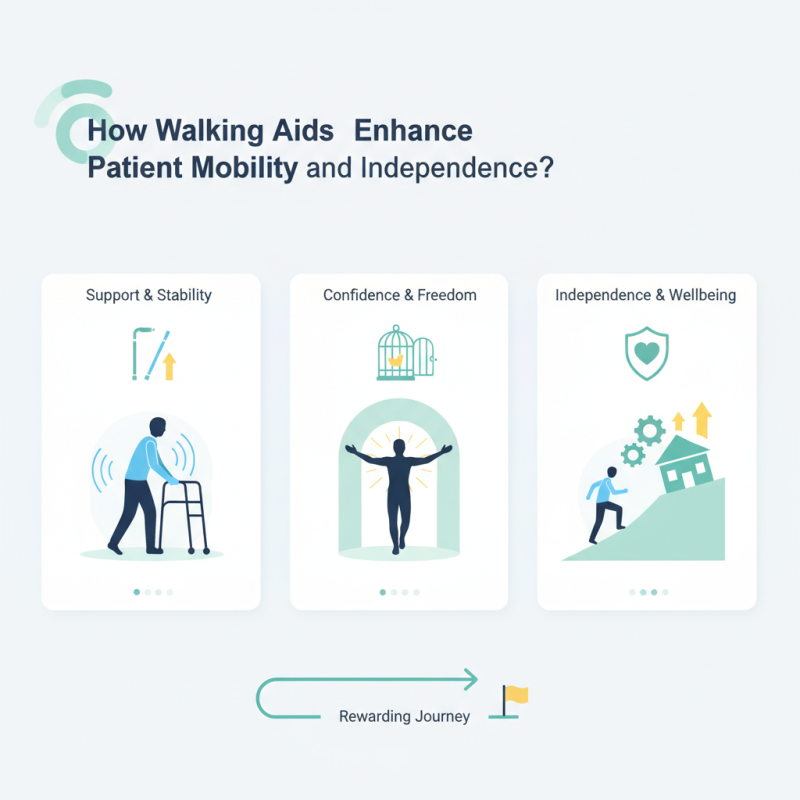
How Walking Aids Enhance Patient Mobility and Independence?

The Role of Walking Aids in Improving Mobility for Various Patient Populations

Walking aids play a crucial role in enhancing mobility for various patient populations. For individuals recovering from surgery, these aids provide essential support. Properly using a walker or crutches allows patients to maintain balance and prevent falls. This independence fosters confidence.

For elderly patients, mobility can become a barrier to social interactions. Using walking aids helps them move freely, encouraging engagement with loved ones. Consider experimenting with different types of aids to find the most suitable one. It’s vital to assess comfort and practicality.

Tips: When selecting a walking aid, ensure it matches your height. A proper fit reduces strain and enhances functionality. Regular check-ins with healthcare professionals can ensure ongoing appropriateness. Reflect on your usage patterns and adjust accordingly for improved support and mobility.

How Walking Aids Enhance Patient Mobility and Independence?

Patient Population Type of Walking Aid Benefits Mobility Improvement
Elderly Patients Canes Increased stability and support Enhanced walking confidence
Stroke Survivors Walkers Improved posture and weight distribution Greater walking distance
People with Arthritis Rollators Extra support with seating option Reduced fatigue during walking
Individuals with MS Forearm Crutches Increased upper body support Better balance and independence
Patients Recovering from Surgery Walking Frames Sturdy support for safe mobility Faster recovery and mobility

Types of Walking Aids: An Overview of Available Options

Walking aids are essential for enhancing mobility and independence, especially for seniors or those recovering from injuries. Various types of walking aids cater to different needs. Canes are the most common, providing stability while requiring minimal upper body strength. According to industry data, around 25% of older adults use canes for daily support.

Walkers offer more stability than canes. They typically have four legs and are designed for those with limited balance. Research from the American Seniors Association indicates that over 30% of seniors prefer walkers to maintain independence. Rollators, equipped with wheels, combine the function of a walker with the ability to rest easily. These aids allow users to stay active without unnecessary fatigue.

Crutches serve another purpose, aiding those with temporary injuries. However, they can lead to discomfort and strain. A 2022 report from the National Rehabilitation Association noted that using crutches can result in upper body fatigue and potential injuries. This highlights the importance of choosing the right walking aid for individual needs. Mobility solutions should focus not just on functionality but also on comfort and user experience.

Benefits of Using Walking Aids for Patient Independence and Confidence

Walking aids play a crucial role in enhancing patient independence and confidence. Studies suggest that around 80% of individuals using walking aids report improved mobility. This newfound freedom often leads to increased participation in daily activities. For many, even small tasks like walking to the mailbox or attending social gatherings become achievable goals.


The psychological aspect is also significant. Many users feel a boost in self-esteem when they use walking aids. A survey found that 70% of users felt more confident navigating outdoor spaces after using assistive devices. However, some may experience initial hesitation. Adjusting to a new aid can be challenging. It requires practice and sometimes leads to frustration.


Moreover, it's essential to recognize that not every aid suits everyone. Some users may find certain devices awkward or uncomfortable. Finding the right fit is critical. Physical therapy experts recommend trials with various aids to ensure user satisfaction and safety. This iterative process encourages gradual improvement in mobility and independence, promoting a more fulfilling life for patients.

Tips for Selecting the Right Walking Aid for Individual Needs

Choosing the right walking aid can significantly enhance a patient's mobility and independence. Research shows that about 60% of elderly individuals face mobility challenges. Selecting an appropriate aid can greatly impact their daily lives. It is essential to consider the user’s specific needs, such as balance, strength, and their environment. For instance, a walker provides more stability than a cane, while a rollator is designed for individuals needing support and flexibility.

Consideration of comfort and functionality is crucial. Some aids come with features like built-in seats or storage compartments. Patients should test different options to find what feels best in terms of grip and maneuverability. A report from the American Physical Therapy Association indicates that patients who actively participate in the selection process report higher satisfaction and better outcomes. Reflecting on personal experiences, people often choose aids based on initial perceptions rather than genuine comfort.

Lastly, consulting with healthcare professionals can offer valuable insights. They can assess the patient's unique situation and recommend suitable products. However, some individuals may feel overwhelmed by the variety of choices available. Understanding that the best aid is one that aligns with personal lifestyle and physical capabilities is vital.

How Walking Aids Enhance Patient Mobility and Independence

Rehabilitation and the Integration of Walking Aids in Therapy Programs

Rehabilitation plays a crucial role in restoring mobility for patients. Walking aids, such as canes and walkers, are integrated into therapy programs. These aids help patients regain confidence during their rehabilitation journey. According to the World Health Organization, mobility aids can improve the functional independence of up to 40% of elderly patients.

The right integration of walking aids can enhance specific therapy goals. For example, patients learning to walk again after surgery benefit greatly from these tools. They offer essential support and stability. Reports indicate that 75% of rehabilitation centers use walking aids in their therapy programs. This statistic highlights their significance in improving patient outcomes. However, challenges remain. Some patients may resist using aids due to stigma. Overcoming this perception is essential for implementation success.

Healthcare professionals emphasize the importance of personalized plans. Each patient’s needs are unique, and aids should reflect that. A generic approach is often ineffective. Incorporating patient feedback can lead to better adoption of tools. Efforts are ongoing to educate patients about the benefits of walking aids. Still, a gap exists in awareness. Closing this gap will further improve rehabilitation outcomes for many individuals.

FAQS

: What are the common types of walking aids?

: Common walking aids include canes, walkers, rollators, and crutches, each serving unique mobility needs.

Who typically uses canes?

Around 25% of older adults use canes for daily support and stability, requiring minimal strength.

How do walkers differ from canes?

Walkers provide more stability than canes, designed for those with limited balance and coordinating abilities.

What are rollators and their benefits?

Rollators have wheels and offer mobility while allowing users to rest, reducing fatigue during activities.

Are crutches suitable for everyone?

Crutches help those with temporary injuries, but they can cause upper body strain and discomfort.

How do walking aids affect confidence?

About 80% of users report improved mobility, leading to greater self-esteem and independence in daily tasks.

What challenges do users face when adapting to walking aids?

Users might feel frustration when adjusting to new aids, requiring practice and patience to overcome initial hesitations.

Is there a perfect walking aid for everyone?

No, different users may find certain aids uncomfortable; trials are vital for ensuring comfort and satisfaction.

How important is the user experience in choosing walking aids?

User experience is crucial; aids should focus on comfort and functionality to enhance mobility and daily activities.

What role does physical therapy play in selecting walking aids?

Physical therapy can facilitate trials of various aids, helping users find the best fit for their mobility needs.

Conclusion

Walking aids play a crucial role in enhancing patient mobility and independence across various populations. They offer a range of options, including canes, walkers, and crutches, each designed to address the unique needs of individuals dealing with mobility challenges. By providing physical support and stability, these aids empower patients to regain confidence in their movements, which is essential for fostering independence.

Moreover, the integration of walking aids into rehabilitation programs further facilitates the recovery process, allowing patients to participate actively in their therapy. Understanding how walking aids improve patient mobility is essential for caregivers and healthcare professionals when selecting the right device tailored to individual needs. By considering the benefits and appropriate selection tips, patients can experience greater freedom and improved quality of life.

Sienna

Sienna

Sienna is a skilled marketing professional with a deep expertise in our company’s core products and services. With a passion for innovation and detail, she plays a pivotal role in crafting insightful blog posts that not only highlight the unique features of our offerings but also provide valuable......