In the demanding landscapes of modern clinical orthopedics, emergency trauma care, athletic training, and veterinary medicine, the choice of compression therapy materials dictates recovery outcomes. Cohesive self-adherent bandages stand out because of their distinct mechanical properties. Unlike traditional adhesive tapes or mechanical clips, these bandages adhere strictly to themselves rather than skin, hair, or clothing. This characteristic minimizes epidermal shear trauma during dressing changes while maintaining consistent pressure levels.
The manufacturing process involves complex polymer chemistry. By layering fine synthetic elastomers—such as polyurethane or high-grade natural rubber latex—onto dynamic carrier substrates (typically non-woven spunbond polypropylene, woven cotton, or polyester blends), factories create a material with selective friction properties. The cohesive performance is achieved by applying a micro-dot or patterned matrix coat of non-tacky pressure-sensitive adhesive. When wrapped under tension, these microscopic cohesive contact points interlock, creating a strong shear resistance while remaining easy to peel apart.
For medical buyers, evaluating suppliers requires looking at physical properties like tensile strength, elongation ratios, breathability, and water resistance. High-quality cohesive bandages must allow airflow to prevent skin maceration, maintain their grip under sweat or water exposure, and tear clean by hand without unraveling or fraying.
The global demand for self-adherent wraps is growing rapidly due to three main factors:
Hospitals are moving away from traditional adhesive tape and metal-clip bandages to reduce skin tears, especially for elderly and pediatric patients. Self-adherent wraps speed up dressing applications and cut down on clean-up time in emergency rooms and surgical suites.
Because self-adherent bandages do not stick to fur, they are essential in veterinary clinics. The pet market requires highly durable, colorful, and bitter-taste-infused options to prevent animals from biting or scratching at wounds.
Athletes use these wraps for compression, joint stabilization, and preventing sprains. The focus here is on high tensile support, lightweight feel, and resistance to sweat and movement.
To manage international supply chain risks, B2B procurement professionals look for manufacturers that offer high volume stability, customized material specifications (such as latex-free alternatives), and compliant labeling for different geographic markets. Working with vertically integrated factories helps ensure consistent quality and shorter lead times.
Production quality depends on precise control over material characteristics and manufacturing processes. Let's break down the technical differences between high-grade cohesive bandages and low-cost alternatives:
Premium manufacturers use medical-grade elastic yarn (Spandex/Elastane) wrapped in high-quality polyester or non-woven fabric. Cheaper wraps often use lower-grade rubbers that degrade quickly, reducing shelf life and elasticity.
Addressing Type I latex allergies is a priority in clinical settings. Top-tier factories run dedicated, clean production lines using synthetic polymers (like acrylic-based polymers) to produce 100% latex-free cohesive tapes that behave just like natural rubber.
Consistent unwinding tension is key for user safety. If the bandage is wound too tightly during manufacturing, it can restrict blood flow when applied. Advanced factories use computerized tension monitors to keep unwinding forces safe and consistent.
Medical dressings require clean, controlled production areas. Modern facilities use HEPA filtration systems to prevent dust, pollen, and microbes from contaminating the cohesive surface during the coating phase.
Ningbo Seaoriva Medical Co., Ltd. is a leading China-based manufacturer of high-quality medical consumables and rehabilitation products, specializing in general disposable medical products, pharmacy products, and rehabilitation & incontinence care solutions. With years of dedicated experience in the healthcare industry, Seaoriva Medical has established a reputation for delivering safe, reliable, and innovative medical solutions to hospitals, clinics, pharmacies, and home care providers worldwide.
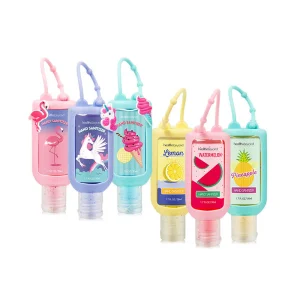
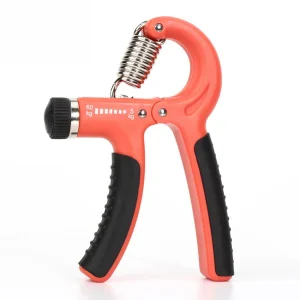
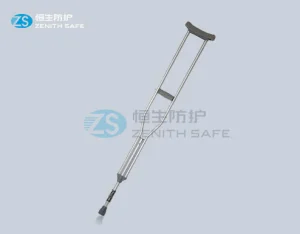
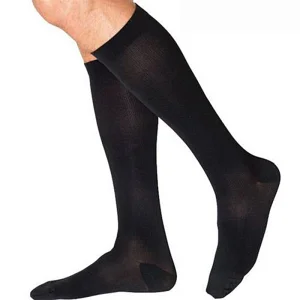
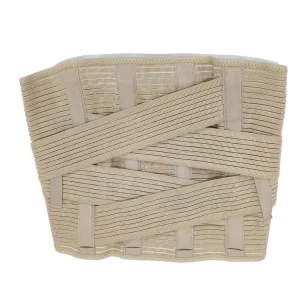
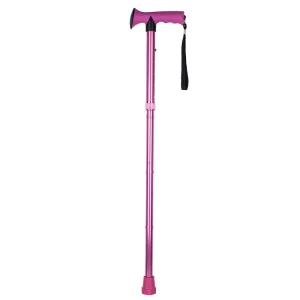
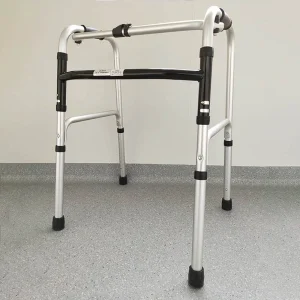
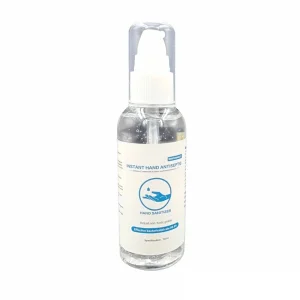
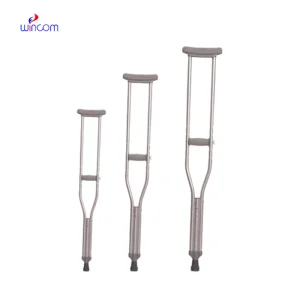
The company offers a comprehensive product portfolio, including adult and pediatric diapers, bed pads and underpads, disposable wipes, medical gloves, face masks, hand sanitizers, syringes, bandages, orthopedic braces, wheelchairs, walkers, and rehabilitation exercise equipment. Every product is manufactured under strict quality control standards, ensuring patient safety, comfort, and hygiene.
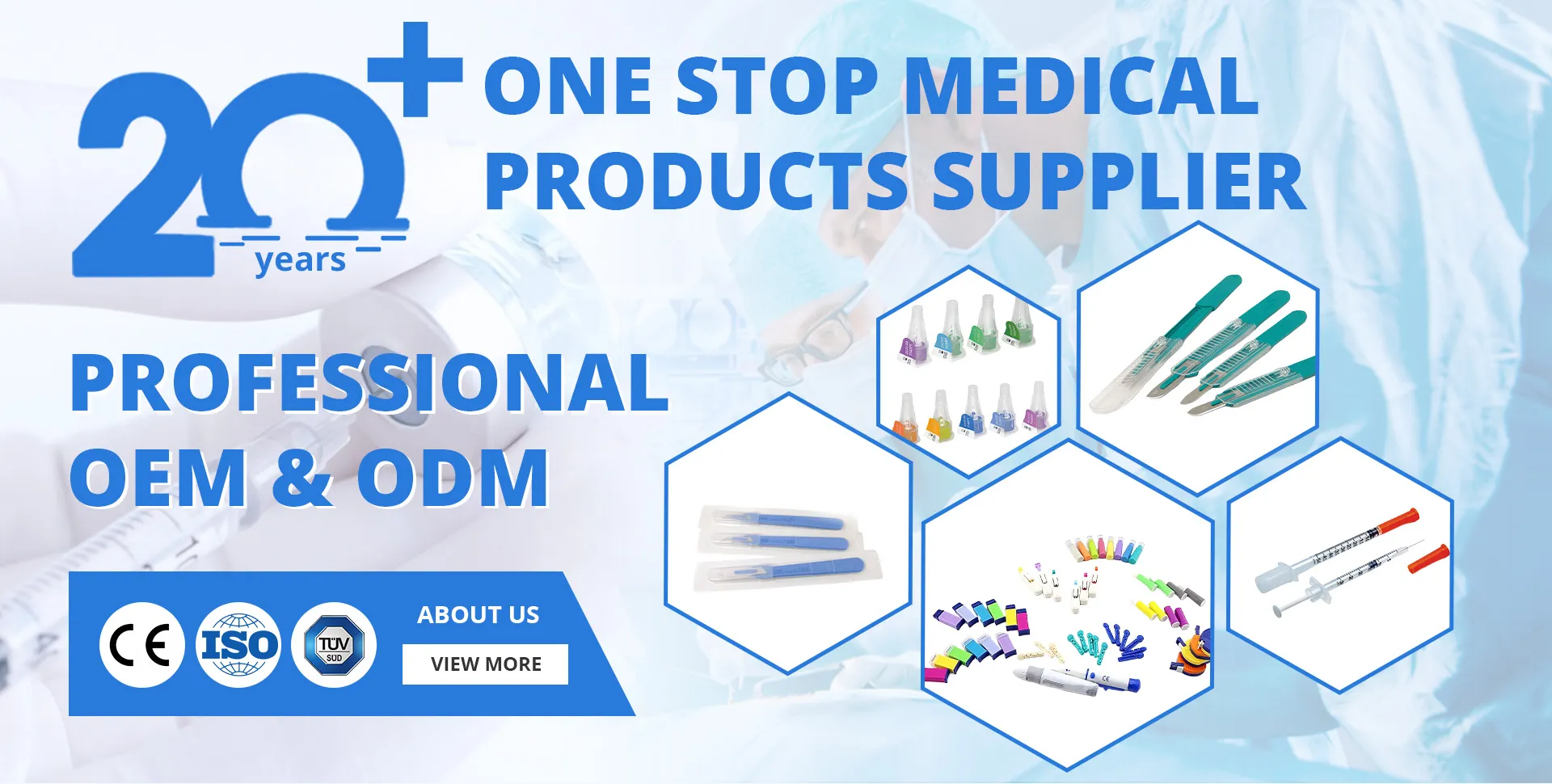
Seaoriva Medical emphasizes research, development, and precision manufacturing, leveraging modern production technologies and a rigorous quality management system to maintain consistent product excellence. The company also provides customized solutions tailored to the specific needs of hospitals, pharmacies, and home care facilities, supporting efficient workflow and improved patient outcomes.
Guided by the principles of "quality first, innovation-driven, and customer-focused," Ningbo Seaoriva Medical Co., Ltd. has earned an excellent reputation both domestically and internationally. With a professional R&D team, modern production facilities, and dedicated after-sales support, the company continues to advance the medical consumables and rehabilitation industry, delivering safe, effective, and high-quality healthcare solutions that enhance patient care and support global healthcare innovation.
The medical consumables industry is changing rapidly, driven by sustainability goals, smart technology, and advanced materials. Forward-looking buyers must align with manufacturers that invest in research and development.
With global medical systems aiming to reduce plastic waste, researchers are looking at biodegradable substrates. Future bandages will likely use natural bamboo, organic cotton, or PLA fibers. These materials biodegrade in compost within 180 days while keeping the same strength and elasticity as synthetic options.
To reduce the risk of wrapping bandages too tightly, new designs include visual compression indicators. Embedded geometric patterns stretch and change shape (for example, from a rectangle to a square) when the correct clinical pressure (like 20-30 mmHg or 30-40 mmHg) is reached, helping clinicians apply them safely.
Future bandages may incorporate antimicrobial agents like zinc oxide, copper ions, or herbal extracts directly into the cohesive layer. This helps prevent bacterial growth on active wounds and provides a soothing effect on the skin during long recovery periods.
To protect patients and minimize business risks, procurement managers should evaluate potential OEM/ODM partners using this strict technical checklist:
 Seaoriva Medical