Clinical-grade sanitation, rehabilitation support, and mobility solutions manufactured under stringent global quality certificates.
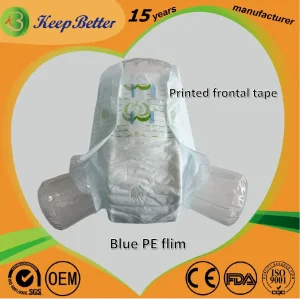
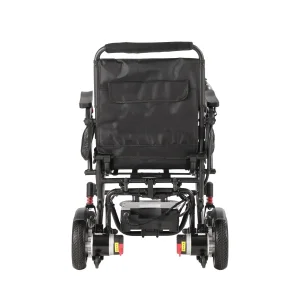
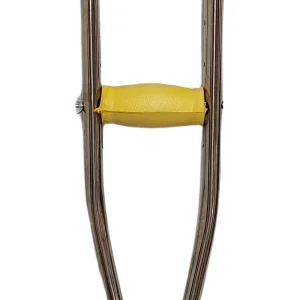
The global professional hygiene and clinical care markets are undergoing a significant transition. Disposable and reusable underpads—once treated as low-complexity commodity items—are now evaluated as critical tools for maintaining patient skin health, improving clinical outcomes, and reducing operational overhead in healthcare systems. Driven by an aging population, rising occurrences of urinary and fecal incontinence, and a heightened emphasis on preventing Incontinence-Associated Dermatitis (IAD) and pressure injuries, the demand for highly engineered underpads has spiked.
Historically, underpads relied on simple fluff pulp filling wrapped in basic polyethylene (PE) backing. Today's modern underpads integrate advanced multi-layer systems. These include hydrophilic non-woven top sheets, acquisition distribution layers (ADL), high-performing Superabsorbent Polymer (SAP) cores, and breathable backsheets. The goal is to quickly pull wetness away from skin surfaces, distribute it evenly, lock it in to prevent leakage, and keep a cool, dry microclimate next to the patient's skin. This shift has forced global manufacturers to upgrade their production lines, investing in high-speed, fully automated machinery that guarantees consistency across millions of units.
Procuring at scale requires a clear understanding of the manufacturing landscape. The world's top 10 underpads factories are primarily located in major manufacturing hubs across Asia (specifically China) and North America/Europe. When sourcing, B2B buyers look at production capacity, raw material quality, compliance, and custom OEM/ODM flexibility. Below is a strategic assessment of how top-tier manufacturers distinguish themselves:
| Supplier Capabilities | Standard Tier-3 Factories | Mid-Tier OEM/ODM Providers | Top-Tier Global Manufacturers |
|---|---|---|---|
| SAP Integration | Low-density domestic SAP | Standard imported SAP (e.g., Sumitomo) | Proprietary mixed SAP with premium cross-linking |
| Fluid Acquisition Rate | > 5.0 seconds | 3.0 to 4.5 seconds | < 2.5 seconds (Ultra-rapid dry) |
| Backsheet Technology | Non-breathable PE Film (Hot) | Breathable PE / Micro-embossed | High-transmission breathable textile-like backing |
| QA & Verification | Basic visual checking | Batch-level laboratory testing | In-line camera detection & continuous tensile tests |
Top-tier factories rely heavily on automated systems to prevent contamination. Because these products contact open skin—and sometimes compromised areas—maintaining a clean-room style production environment is essential. High-speed Italian and Japanese manufacturing lines assemble underpads in fractions of a second, using ultrasonic bonding instead of excessive adhesives. This prevents chemical reactions and maintains softness.
Ningbo Seaoriva Medical Co., Ltd. is a leading China-based manufacturer of high-quality medical consumables and rehabilitation products, specializing in general disposable medical products, pharmacy products, and rehabilitation & incontinence care solutions. With years of dedicated experience in the healthcare industry, Seaoriva Medical has established a reputation for delivering safe, reliable, and innovative medical solutions to hospitals, clinics, pharmacies, and home care providers worldwide.
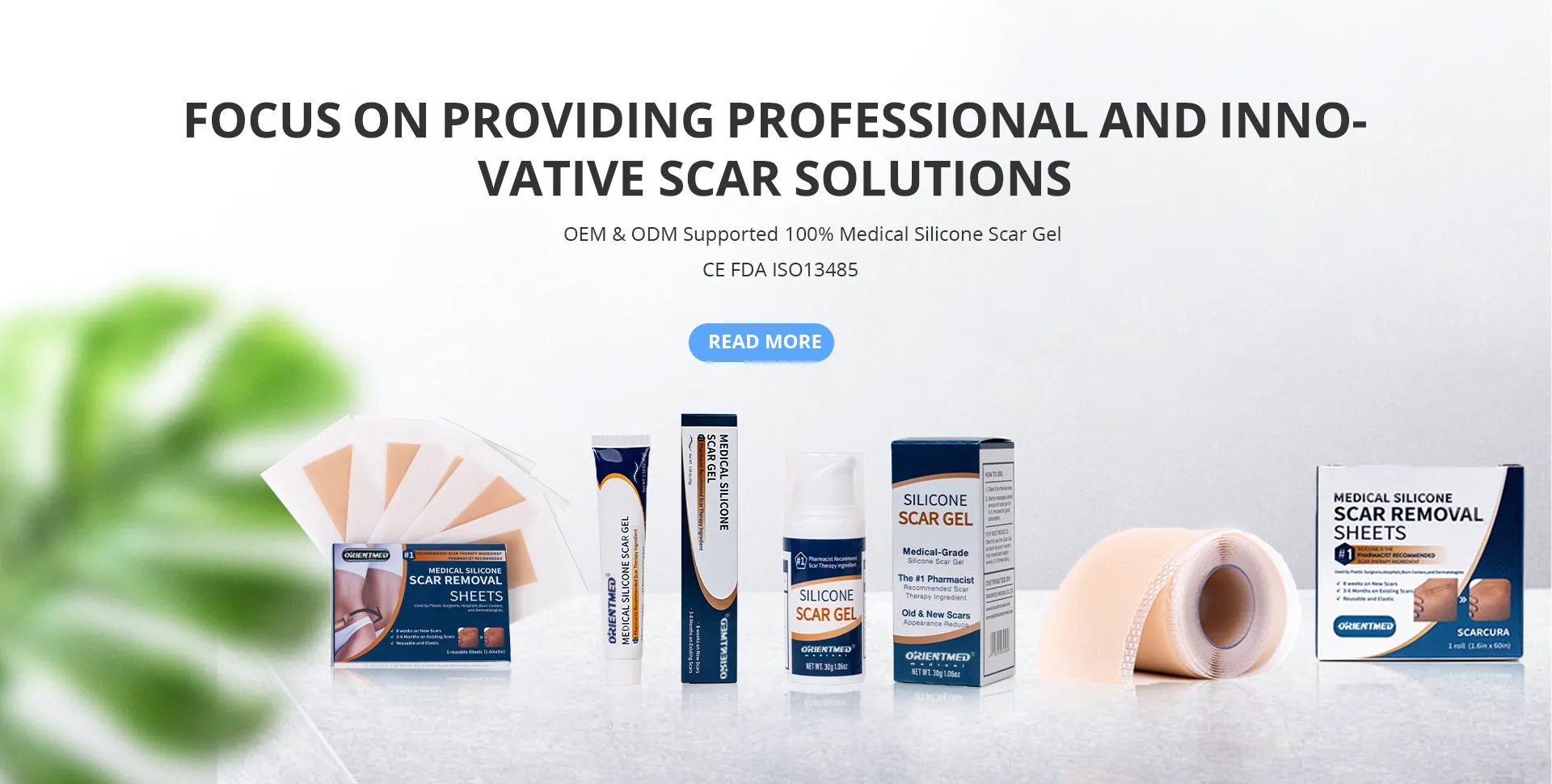
The company offers a comprehensive product portfolio, including adult and pediatric diapers, bed pads and underpads, disposable wipes, medical gloves, face masks, hand sanitizers, syringes, bandages, orthopedic braces, wheelchairs, walkers, and rehabilitation exercise equipment. Every product is manufactured under strict quality control standards, ensuring patient safety, comfort, and hygiene.
Seaoriva Medical emphasizes research, development, and precision manufacturing, leveraging modern production technologies and a rigorous quality management system to maintain consistent product excellence. The company also provides customized solutions tailored to the specific needs of hospitals, pharmacies, and home care facilities, supporting efficient workflow and improved patient outcomes.
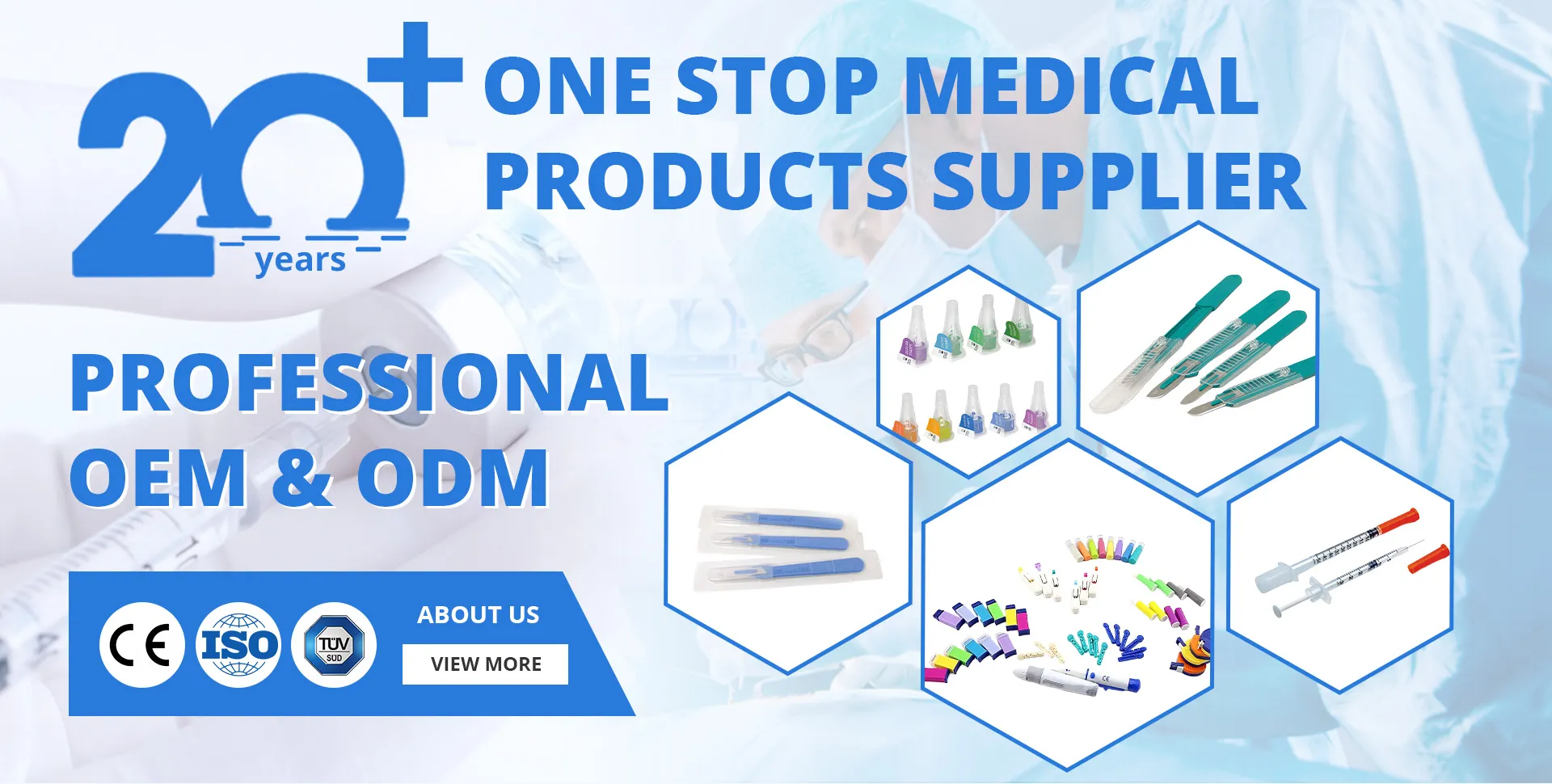
Guided by the principles of "quality first, innovation-driven, and customer-focused," Ningbo Seaoriva Medical Co., Ltd. has earned an excellent reputation both domestically and internationally. With a professional R&D team, modern production facilities, and dedicated after-sales support, the company continues to advance the medical consumables and rehabilitation industry, delivering safe, effective, and high-quality healthcare solutions that enhance patient care and support global healthcare innovation.
B2B procurement professionals at hospitals, national distributors, and long-term care chains must manage complex risk portfolios. Sourcing medical consumables is not just about price per unit. It requires verifying compliance, evaluating manufacturing tolerances, and checking supply chain reliability. For medical underpads, buyers should evaluate key performance metrics during audits:
A major hidden cost in importing underpads is container load efficiency. Standard, non-compressed underpads take up large volumes, leading to high shipping costs. Top manufacturers use advanced packaging systems that compress underpads by up to 40% without damaging the absorbent core or compromising fluff pulp loft. Sourcing partners must verify that decompression does not impact the product's performance once unboxed.
In acute care settings, preventing hospital-acquired pressure ulcers (HAPUs) is a key clinical metric. Traditional underpads that trap heat and moisture can lead to maceration, weakening skin integrity. Modern medical systems require breathable underpads to support airflow and manage moisture. These pads are compatible with specialized low-air-loss therapy beds, helping to maintain a dry microclimate.
Top-tier suppliers work with clinicians to test shear reduction properties. When a patient is repositioned, the underpad must slide smoothly against bedsheets while remaining stable under the patient. This stability prevents friction and shear injury, which are major factors in tissue breakdown. Choosing products with anti-slip backing patterns and high structural strength helps protect patient safety.
An underpad's function is driven by materials science. Fluid distribution is managed by five key layers:
Environmental regulations and corporate ESG mandates are driving changes in the disposables sector. Buyers are moving away from traditional plastics in favor of eco-friendly alternatives. Manufacturers are researching and developing compostable backsheets made from cornstarch-based PLA, alongside chlorine-free fluff pulp harvested from FSC-certified forests.
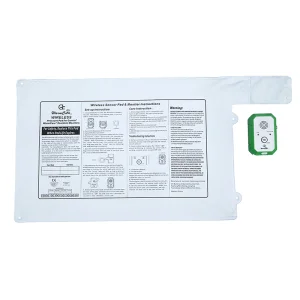
The industry's technical roadmap includes biodegradable SAPs and smart sensor-enabled pads that alert nursing staff the moment wetness occurs. These innovations help reduce resource waste, lower carbon footprints, and improve care efficiency by targeting underpad changes only when needed.
Non-breathable underpads use standard polyethylene (PE) backing, which traps heat and moisture. Breathable underpads use a microporous film or non-woven laminate that allows water vapor to escape while holding in liquid. This helps maintain skin health and reduces the risk of skin breakdown.
A higher SAP ratio reduces the amount of fluff pulp needed, making the pad thinner and more absorbent under pressure. This reduces packaging volume and shipping costs. However, fluff pulp is needed to distribute liquid initially. Top-tier suppliers use automated blending systems to optimize this ratio based on target absorbency.
For the US, imports require FDA facility registration and device listing. For the EU, CE marking and MDR compliance are required. Manufacturers must also hold ISO 13485 quality system certification to ensure consistent production standards.
Yes. Standard sizes include 60x60cm, 60x90cm, and 90x180cm, but custom sizes and target absorption levels (from 500ml to 3000ml+) can be set by adjusting material weights and core structures on automated lines.
Top factories use thermal or ultrasonic continuous bonding. This creates strong seals along all four edges. Testing includes pressure tests to ensure the pad does not leak when compressed by a patient's movement.
From advanced diagnostics to high-durability patient care and home-use medical accessories.
 Seaoriva Medical