Premium healthcare products engineered for reliable protection and rehabilitation efficiency in Equatorial Guinea.
Ningbo Seaoriva Medical Co., Ltd. is a leading China-based manufacturer of high-quality medical consumables and rehabilitation products, specializing in general disposable medical products, pharmacy products, and rehabilitation & incontinence care solutions. With years of dedicated experience in the healthcare industry, Seaoriva Medical has established a reputation for delivering safe, reliable, and innovative medical solutions to hospitals, clinics, pharmacies, and home care providers worldwide.
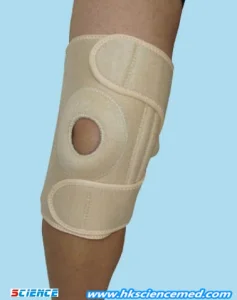
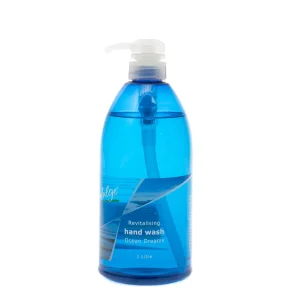
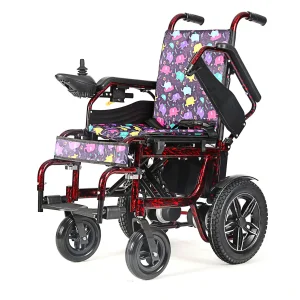
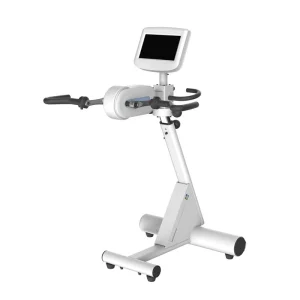
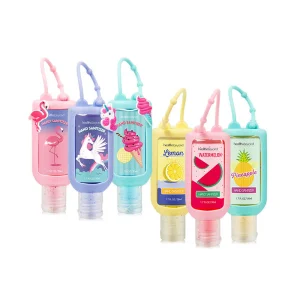
The company offers a comprehensive product portfolio, including adult and pediatric diapers, bed pads and underpads, disposable wipes, medical gloves, face masks, hand sanitizers, syringes, bandages, orthopedic braces, wheelchairs, walkers, and rehabilitation exercise equipment. Every product is manufactured under strict quality control standards, ensuring patient safety, comfort, and hygiene.
Equatorial Guinea, situated on the west coast of Central Africa, has experienced significant infrastructural transformation. Driven by its prominent oil and gas sectors, the nation's healthcare infrastructure has evolved systematically. The Ministry of Health and Social Welfare (MINSABS) works alongside private healthcare consortia to expand clinical service coverage across both the insular region (Bioko Island, housing the capital Malabo) and the continental region (Bata).
Within this dual-territory framework, managing infection control and occupational safety is paramount. The demand for medical-grade gloves—specifically Latex and Nitrile examination and surgical gloves—has steadily scaled up. In Equatorial Guinea, healthcare facilities face distinct ambient challenges. Due to the equatorial climate, which features year-round high humidity (often exceeding 80%) and temperatures averaging 26°C to 30°C, the stability of elastomeric barrier products during storage is critical. Natural rubber latex, if not properly stabilized and stored, is susceptible to thermal degradation and oxidation. Consequently, there is a pronounced market transition toward high-quality, synthetic Nitrile gloves that demonstrate exceptional shelf-life resilience under humid tropical storage conditions.
The demand for medical consumables in Malabo and Bata is no longer solely driven by basic hygiene. It is governed by strict regulatory alignment with international frameworks like CE, FDA, and ISO 13485. Procurement departments in public hospitals and oil-and-gas clinic systems require detailed documentation demonstrating AQL (Acceptable Quality Limit) values of 1.5 or lower for medical-grade applications.
Procuring managers must navigate the technical trade-offs between Natural Rubber Latex (NRL) and synthetic Nitrile (Acrylonitrile-butadiene) formulation. Understanding these properties enables optimized purchasing for specific clinical environments in Equatorial Guinea:
For general examination procedures, diagnostic departments, and intensive care setups in Equatorial Guinea, nitrile is increasingly selected. It eliminates risk of allergy sensitization among both medical staff and patients. However, for specialized surgical procedures where tactile precision is crucial, sterilized latex surgical gloves remain the industry standard.
Ningbo Seaoriva Medical Co., Ltd. utilizes advanced Factory 4.0 automation to optimize glove production. Through automated manufacturing, we deliver reliable quality control and cost efficiency directly to buyers in Equatorial Guinea.
By transitioning from traditional mechanical dipping lines to fully computerized, multi-story dipping technologies, we ensure uniform thickness across the entire glove surface—preventing typical failure points at the fingertips and cuffs.
Our production facilities implement real-time digital monitoring systems that analyze latex coagulant concentrations, oven temperatures, and vulcanization times in real time. Any variation from predefined setpoints triggers automated corrective adjustments, maintaining a reliable AQL of 1.5.
Additionally, automated optical inspection systems scan for surface defects and micro-pinholes before packaging. This approach minimizes manual handling, ensuring sterile hygiene standards are maintained from raw material inputs to final container sealing.
The operating environment in Equatorial Guinea demands specific criteria for medical gloves depending on the application sector:
Delivering reliable quality control and supply chain capacity worldwide.
Technical answers for clinical purchasing managers and distributors in Equatorial Guinea.
Discover our wider range of medical consumables, orthopedics, and clinical equipment engineered to global standards.

 Seaoriva Medical