Premium healthcare consumables and rehabilitation hardware optimized for institutional distribution.
How regulatory compliance, safety considerations, and design innovations are redefining bulk procurement.
The international healthcare ecosystem is witnessing an unprecedented transition toward closed-system urinary drainage bags designed to mitigate Catheter-Associated Urinary Tract Infections (CAUTIs). As a fundamental consumable in hospitals, surgical centers, and long-term care settings, the selection of the right urine drainage bag supplier is no longer just a question of price per unit. Today, procurement directors evaluate products based on complex microbiological barrier efficacy, mechanical performance of anti-reflux valves, and compliance with stringent international frameworks such as the European Union Medical Device Regulation (EU MDR) and the United States Food and Drug Administration (FDA 510k).
Several critical parameters shape the demand profile in modern healthcare distribution. The industry is rapidly moving away from traditional PVC compounds that contain phthalates (such as DEHP) due to potential endocrine-disrupting hazards. Top-tier global exporters are investing heavily in medical-grade, biocompatible alternatives (including elastomer-blended vinyl and liquid silicone) to satisfy strict environmental and safety regulations. Concurrently, design innovations like needleless aspiration sampling ports, hydrophobic filter systems for sterile ventilation, and dual-hanger configurations are becoming the industry standard.
Anti-reflux valves and closed-loop gravity lines reduce retrograde bacterial migration, keeping CAUTI rates down in critical care units.
Phthalate-free and hypoallergenic materials prevent chemical leaching during prolonged use, ensuring patient safety and regulatory clearance.
Integrations of needleless ports and quick-drain T-taps maximize convenience for nursing workflows and patient home care.
Deciphering the supply chain parameters that guarantee continuity, quality, and commercial viability.
Enterprise-level buyers—including regional healthcare groups, national distributors, and international OEM brands—require high-volume supply chains that are resilient against global logistical disruptions. When evaluating urine drainage bag manufacturers, a standard checklist of features is insufficient. The assessment must extend to production volume capabilities, quality control testing frequencies (such as inflation pressure burst tests and tensile strength testing of junctions), and comprehensive document compliance (CE certificates, FDA registration, ISO 13485 quality systems, and sterile packaging reports).
For global imports, verify that the supplier maintains direct technical files for class I sterile devices. Ensure compliance under the updated MDR framework in Europe, requiring comprehensive clinical evaluation reports (CER) and active post-market surveillance.
Urine drainage bags are subject to significant physical stress when filled to capacity (typically 2000ml). Evaluating the electronic high-frequency welding of the seams and the tensile strength of the connection tubing prevents catastrophic leakage incidents in clinical wards.
Reliable exporters process these consumables through Ethylene Oxide (EO) sterilization, ensuring zero microbial viability. The production must occur within ISO Class 8 (Class 100,000) cleanrooms to minimize dust contamination and initial bioburden before sterilization.
Why leading medical brands choose Chinese manufacturing partners for scalable medical disposables.
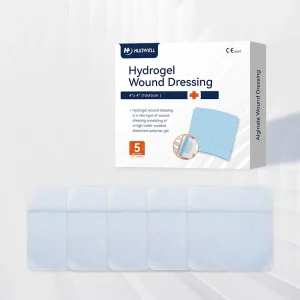
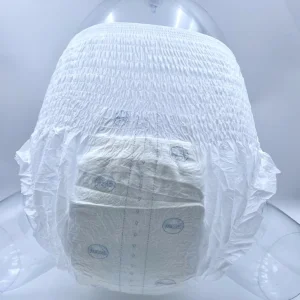
The global medical device market has shifted from basic cost-arbitrage procurement to advanced supply chain co-development. Under the China Factory 4.0 transformation, Chinese medical manufacturers have integrated automated production lines with smart warehouse management systems. This technological leap allows factories to produce billions of units of urological supplies, adult diapers, wound care dressings, and mobility aids with absolute consistency and minimized lead times.
High-performance automation minimizes human interaction with sterile medical components during fabrication. In the assembly of urine drainage bags, automated tube extrusion, valve insertion, and ultrasonic welding machines work in tandem to eliminate manual assembly errors. By maintaining a continuous digital inventory of medical-grade plastics, fabrics, and packaging foils, these manufacturers guarantee supply chain resilience, shielding global distributors from localized component shortages or sudden logistics delays.
An authoritative supplier of clinical-grade consumables and rehabilitation systems.
Ningbo Seaoriva Medical Co., Ltd. is a leading China-based manufacturer of high-quality medical consumables and rehabilitation products, specializing in general disposable medical products, pharmacy products, and rehabilitation & incontinence care solutions. With years of dedicated experience in the healthcare industry, Seaoriva Medical has established a reputation for delivering safe, reliable, and innovative medical solutions to hospitals, clinics, pharmacies, and home care providers worldwide.
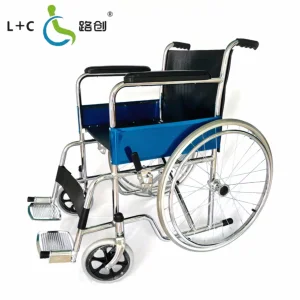
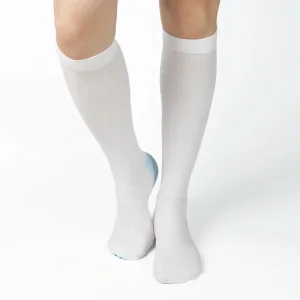
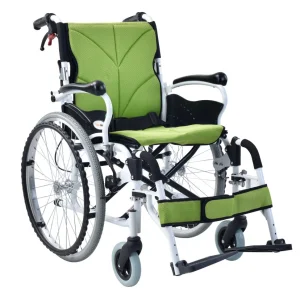
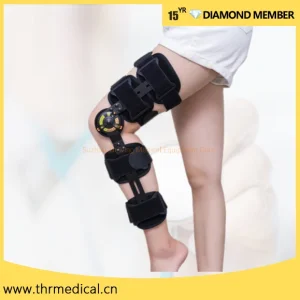
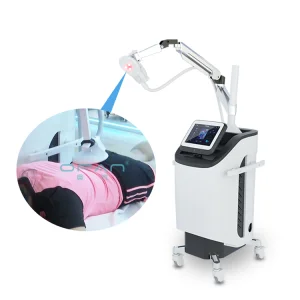
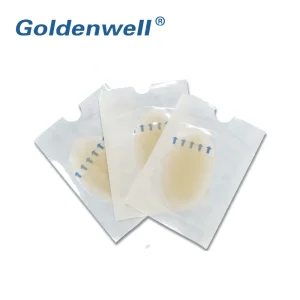
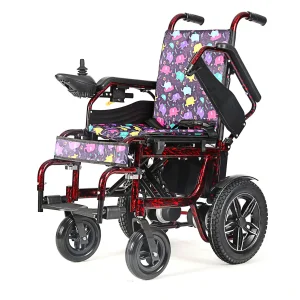
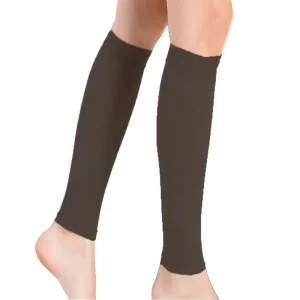
The company offers a comprehensive product portfolio, including adult and pediatric diapers, bed pads and underpads, disposable wipes, medical gloves, face masks, hand sanitizers, syringes, bandages, orthopedic braces, wheelchairs, walkers, and rehabilitation exercise equipment. Every product is manufactured under strict quality control standards, ensuring patient safety, comfort, and hygiene.
Seaoriva Medical emphasizes research, development, and precision manufacturing, leveraging modern production technologies and a rigorous quality management system to maintain consistent product excellence. The company also provides customized solutions tailored to the specific needs of hospitals, pharmacies, and home care facilities, supporting efficient workflow and improved patient outcomes.
Guided by the principles of "quality first, innovation-driven, and customer-focused," Ningbo Seaoriva Medical Co., Ltd. has earned an excellent reputation both domestically and internationally. With a professional R&D team, modern production facilities, and dedicated after-sales support, the company continues to advance the medical consumables and rehabilitation industry, delivering safe, effective, and high-quality healthcare solutions that enhance patient care and support global healthcare innovation.
Adapting urological drainage and mobility solutions to various care settings.
High-capacity (2000ml to 4000ml) bags fitted with wide-bore tubing and precision drip chambers to monitor hourly urine output during surgical interventions and ICU stays.
Bags featuring soft fabrics, silent drain systems (like lever taps), and ergonomic hanger hooks designed for bedside installation on geriatric bedframes and medical wheelchairs.
Leg bags (typically 500ml to 750ml) secured with comfortable elastic straps, low-profile designs, and anti-kinking inlet tubes to facilitate patient mobility and return to daily life.
In-depth technical answers addressing clinical, material, and regulatory queries for global B2B procurement professionals.
Anti-reflux valves (either flap-based or mechanical check-valves) act as physical barriers that allow fluid to flow only down into the bag. If the bag is squeezed or placed higher than the patient's bladder, the valve immediately closes, stopping retrograde fluid flow. This prevents bacteria that may colonize in the pooling urine from migrating back up the drainage line, which significantly reduces the risk of Catheter-Associated Urinary Tract Infections (CAUTIs).
DEHP (Di-2-ethylhexyl phthalate) is a plasticizer historically used to make PVC flexible. Research indicates that DEHP can leach out of medical devices over time and may pose risks to human endocrine systems, particularly affecting vulnerable populations like neonates and pregnant individuals. Hospital groups, EU tenders, and modern regulatory bodies now explicitly mandate DEHP-free, phthalate-free, or medical-grade elastomeric formulations to ensure high patient safety and compliance with REACH and MDR laws.
A standard closed urinary drainage system typically includes a 2000ml medical-grade vinyl bag, reinforced double plastic hangers, a needleless aspiration port for sterile urine sampling, a minimum 120cm flexible inlet tubing with a slide clamp, a hydrophobic air vent filter to manage pressure, and a secure bottom outlet valve (such as a T-tap or cross valve) for drip-free drainage.
Exporters deploy Ethylene Oxide (EO) sterilization cycles following ISO 11135 guidelines. Each batch is biological indicator (BI) tested and physically verified through gas residual analysis. The sterilized products are enclosed in durable medical pouches (such as Tyvek or sterilization paper/film) that maintain a verified microbial barrier for a shelf life of typically 3 to 5 years, provided the packaging is not damaged.
Cleanroom environment limits the initial particulate and bacterial load (bioburden) on the product before sterilization. Manufacturing within an ISO Class 8 cleanroom guarantees that airborne dust and micro-organisms are kept below strict regulatory levels. This maintains the efficacy of the sterilization process and prevents pyrogenic (fever-inducing) reactions in patients who use the devices.
Qualified B2B exporters offer customized retail boxes, double-sterile barrier bags, bespoke tube lengths, multi-lingual outer cartons, and customizable printing directly onto the vinyl bag (such as specific graduation scales or brand logos). Bulk items are loaded in optimized ocean-freight pallets designed to resist temperature shifts and high humidity during intercontinental transit.
Explore our expanded clinical equipment range, manufactured to the highest global safety specifications.
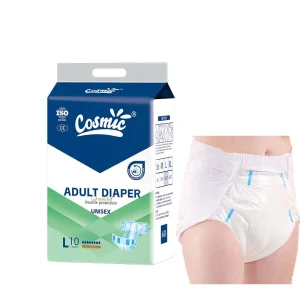
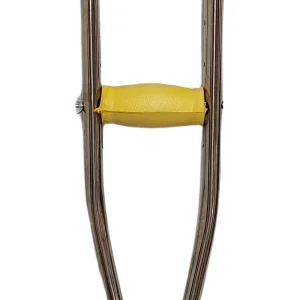
 Seaoriva Medical